


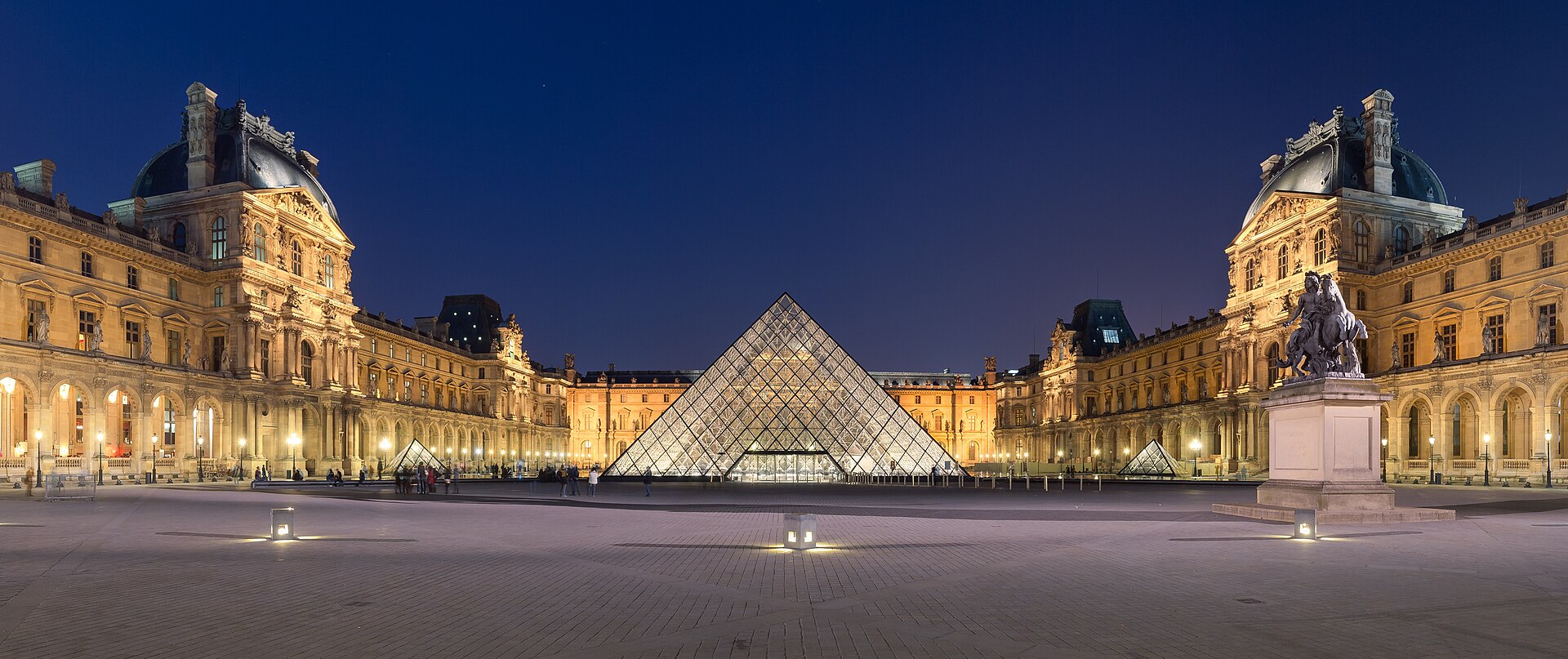
Major disruptions are unfolding across France as cost-of-living demonstrations escalate, prompting immediate closures of cultural landmarks and a wave of updated government travel advisories. The unrest, which began with hundreds of thousands of participants taking to the streets over rising expenses and school conditions, has intensified to the point where authorities are considering emergency measures.
Louvre Closure and Transport Disruptions
The most visible symbol of the unrest is the closure of the Louvre Museum. Protesters blocked the main entrance on Monday, forcing the world’s most visited museum to shut its doors. This is not an isolated incident. Metro stations near the Champs-Elysées in Paris were shut down at the request of police, and a fire broke out in Lyon’s tourist office.
The scale of the disturbance is significant. Laurent Nuñez, France’s minister of the interior, reported that at least 2,000 people have been arrested. More than 600 law enforcement officers and firefighters have been injured during the clashes. The economic ripple effect is already being felt, with France’s Chambers of Commerce and Industry stating that more than 2,000 businesses were directly affected over the weekend.
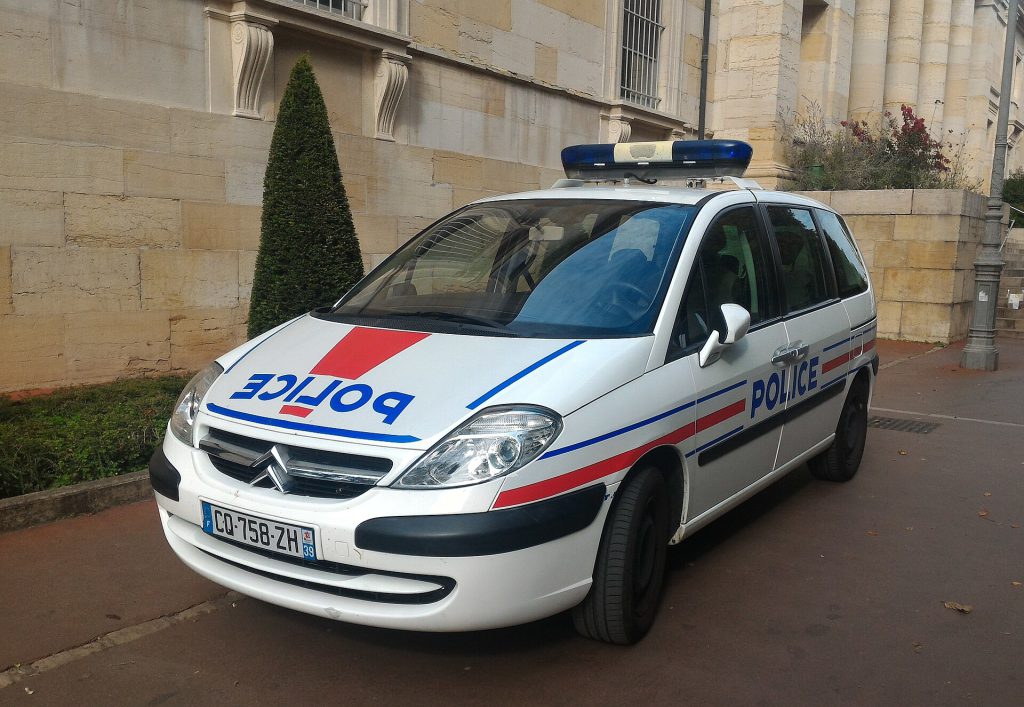
Local governments are taking strict measures to contain the spread. Marseille has banned public gatherings, while towns including Lille and Denain have imposed curfews. The situation has prompted high-level political responses. French President Emmanuel Macron stated on Sunday that authorities could ban future demonstrations if necessary. Prime Minister Sébastien Lecornu told Le Monde that the government was ready to impose a state of emergency “if needed.” More protests are planned for October 24 and November 5.
International Travel Advisories and Regional Spread
The unrest has triggered a coordinated response from international governments. The United States, Germany, the Netherlands, Denmark, Bulgaria, Italy, Croatia, Austria, and Malaysia have all issued or updated their travel guidance. Malaysia specifically asked travelers to consider postponing nonessential travel to France.
The protests are not confined to France. Demonstrations have broken out in Portugal, Italy, and Belgium. Spain has seen ongoing protests over housing issues, while Albania continues to experience unrest related to corruption and living standards. This regional spread adds complexity for travelers planning multi-country European itineraries.
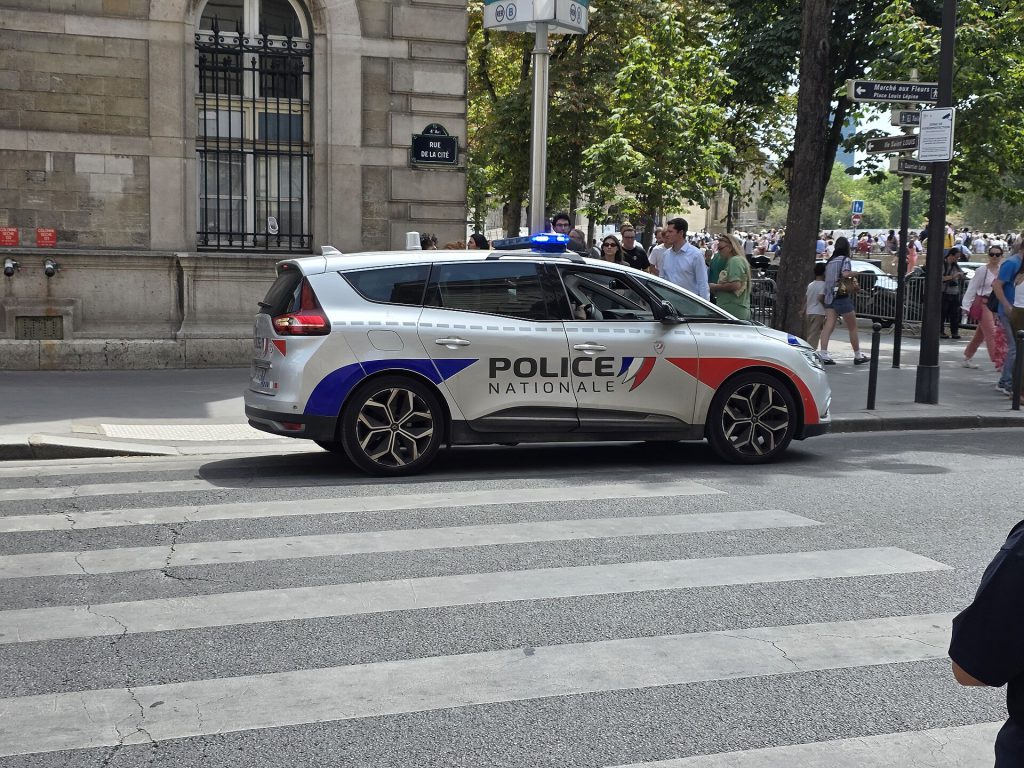
Despite the severity of the situation, the timing of the unrest may soften the commercial impact on the travel industry. The protests are occurring during a slower stretch for European travel, known as the shoulder season. G Adventures, a major tour operator, reported no immediate impact on its Europe tours. However, customer service lines are busy as travelers call to check on future bookings.
The situation remains fluid. With more protests planned in France later this month and unrest spreading to neighboring countries, the potential for further disruptions to transport and attractions remains high. Travelers are advised to monitor official government guidance closely before making any changes to their plans.
Source: Skift
