


The Ebola outbreak in the Democratic Republic of Congo has grown into the largest and deadliest in the country’s history, with more than 9,000 confirmed cases and over 4,000 deaths. Heather Kerr, the country director for the International Rescue Committee in Congo, told NPR that the crisis is moving faster than the international response can manage.
Community Fear Hinders Containment
Kerr, who has worked in the region for decades, stated in a New York Times essay that she has never seen an Ebola crisis skip this far ahead of the response. The situation stands in stark contrast to the 2018 outbreak, which had only 609 cases at the same stage of development.
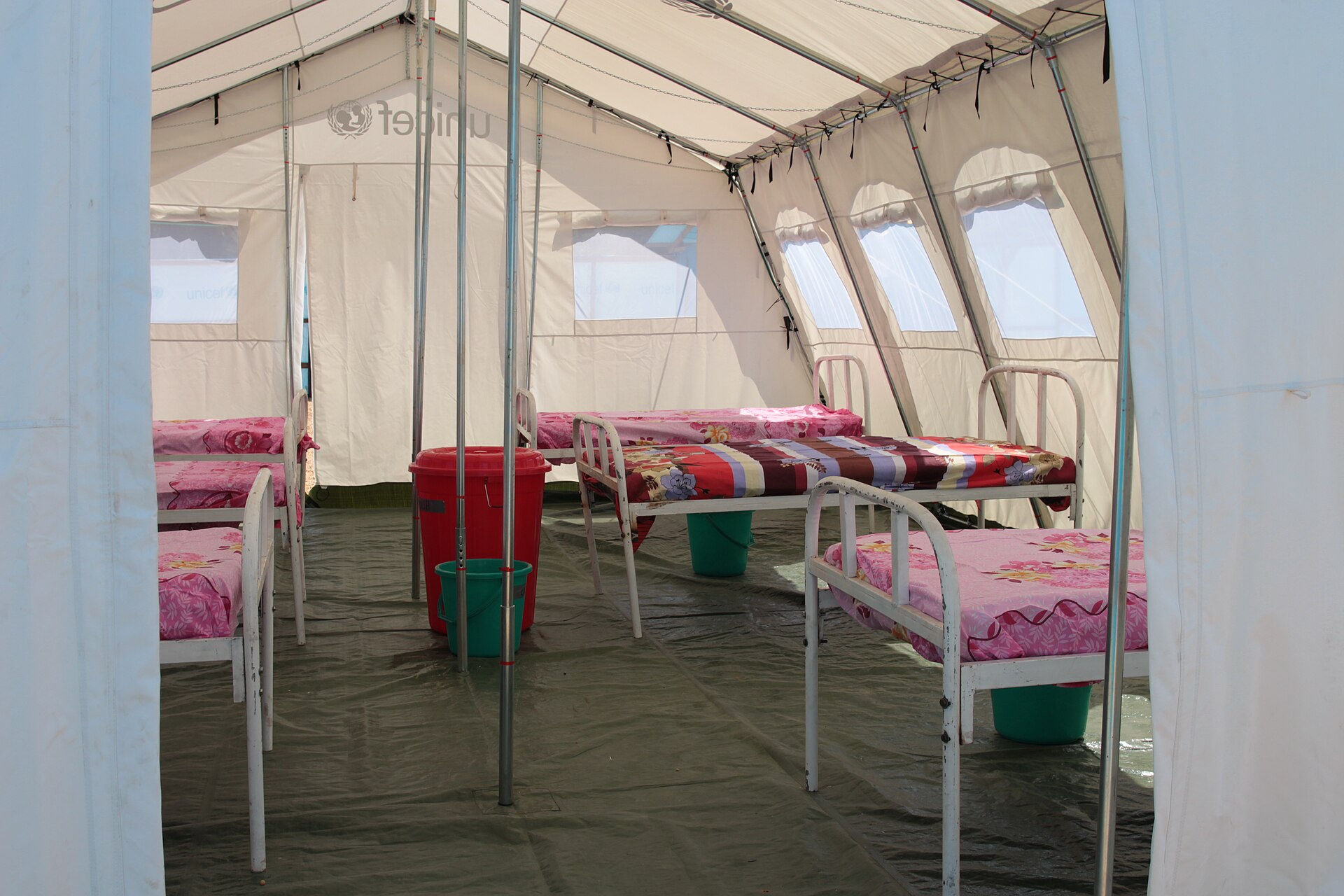
A primary driver of the rapid spread is a deep-seated fear among local populations. Many people avoid Ebola treatment centers because they worry about dying alone or lack sufficient information about the virus. This hesitation means that contact tracing, a critical tool for stopping transmission, is only reaching between 30 and 50 percent of identified contacts.
When individuals stay away from medical facilities, they often die at home. This leads to unsafe burial practices, which Kerr identified as one of the most dangerous times for the virus to transmit. Families perform traditional rituals that involve touching the body, further spreading the infection within communities.
Urgent Need for Vaccines and Trust
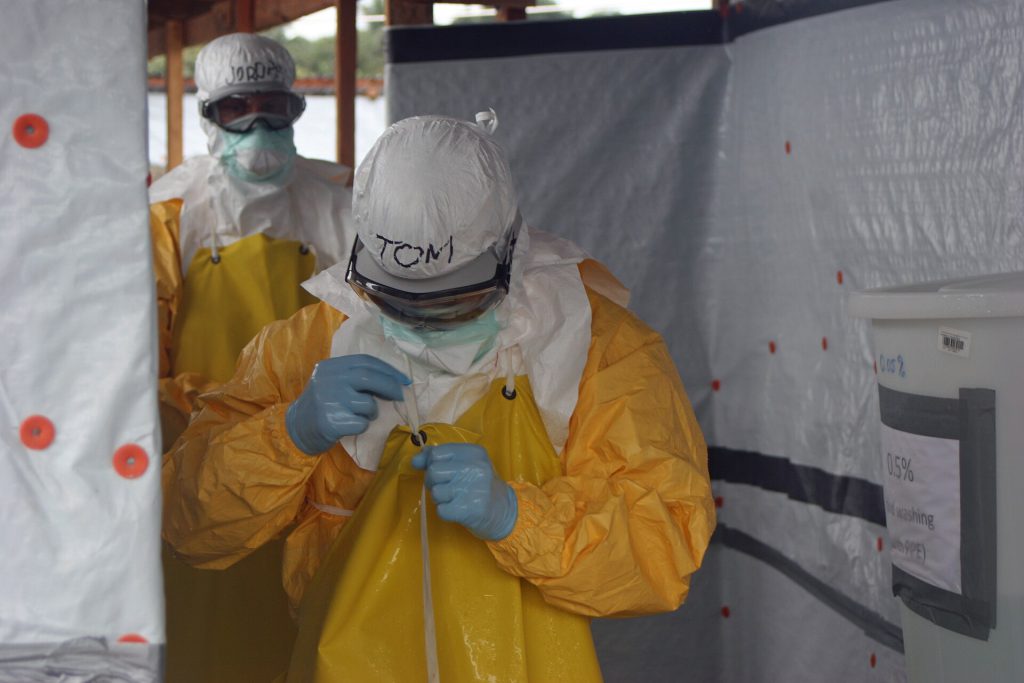
Healthcare workers are attempting to rebuild trust by engaging with community leaders, including religious figures, youth groups, and local transport operators. The goal is to have these trusted voices encourage residents to seek treatment in their own words, rather than relying on external messaging.
Kerr emphasized that the response requires significant funding and resources. During the 2018 outbreak, the timely administration of vaccines to health workers and their contacts made a substantial difference. She argued that securing vaccines and effective treatments now is essential to turning the tide.
The International Rescue Committee continues to operate in Kinshasa and other affected areas, but Kerr noted that the current outbreak is outpacing available resources. Without a rapid increase in support and a shift in community behavior, the death toll is expected to rise further.
Source: NPR
