


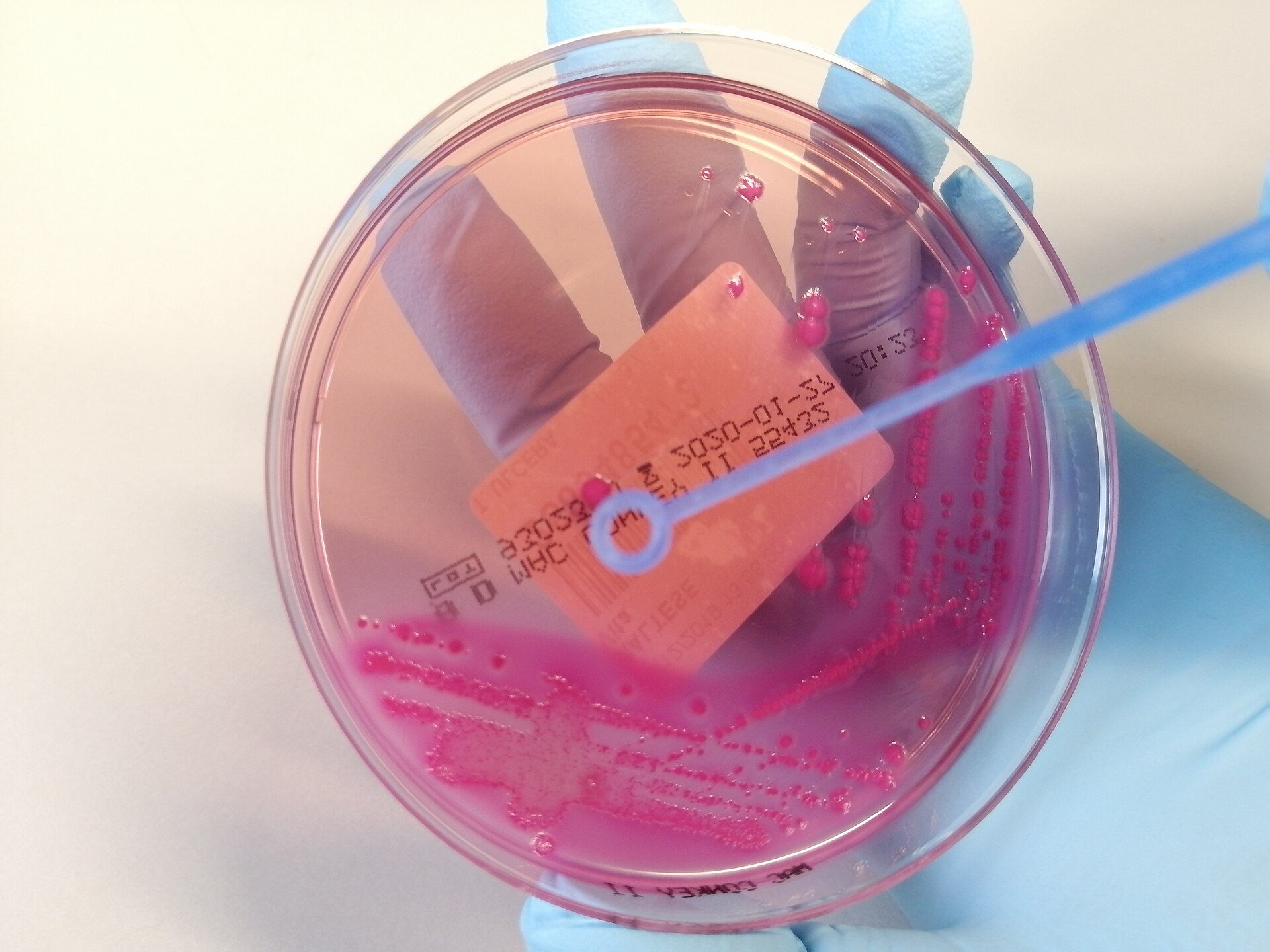
Scientists have identified a natural compound capable of eliminating dangerous intestinal bacteria while leaving the beneficial gut microbiome largely intact. The discovery offers a potential new approach to treating Clostridioides difficile infections, which are often exacerbated by the broad-spectrum antibiotics used to fight them.
The research, led by Prof. Rolf Müller at the Helmholtz Centre for Infection Research (HZI) and Saarland University, focused on argyrin B. This substance, originally discovered in soil-dwelling myxobacteria, demonstrated high efficacy against C. difficile in laboratory settings and mouse models. Crucially, the compound showed minimal impact on the diverse community of microorganisms that support digestive health.
Argyrin B Targets Specific Bacteria
C. difficile is a bacterium naturally present in the intestines of many individuals. It typically causes no issues when present in small quantities. However, when broad-spectrum antibiotics disrupt the balance of the gut ecosystem, C. difficile can multiply rapidly. This overgrowth leads to severe intestinal inflammation, chronic diarrhea, and potentially life-threatening complications.
Current treatments often involve antibiotics that kill both harmful and beneficial bacteria. This collateral damage can allow C. difficile to persist or return after treatment ends. Patients with recurrent infections frequently require fecal microbiota transfer, a procedure that introduces healthy stool from a donor to restore microbial balance. While effective, this method is complex and can be distressing for patients.
Argyrin B operates differently. Dr. Jennifer Herrmann, a senior scientist at HIPS, noted that the compound targets a specific mechanism within C. difficile. This target had previously been identified in Pseudomonas aeruginosa, a notorious hospital-acquired pathogen. The team found that argyrin B acts on this same target in C. difficile with high efficacy.
“We were able to show that the natural compound argyrin B is highly effective against CDI: both in laboratory experiments and in a mouse model of the infection, where it significantly reduces the bacterial load,” Herrmann said. “In contrast, the argyrins have virtually no effect on the beneficial microorganisms in our digestive tract. The gut microbiome could therefore be spared during treatment with argyrin and restored to a healthy state more quickly.”
Localized Action Reduces Side Effects
One of the most encouraging findings from the study involves how the compound behaves within the body. When administered orally to mice, very little argyrin B entered the bloodstream. Instead, the majority of the compound remained in the large intestine, which is the primary site of C. difficile infections.
This localized concentration suggests that a medication derived from argyrin B could minimize systemic side effects. By acting primarily in the gut rather than circulating throughout the body, the treatment might be better tolerated by patients. This characteristic, combined with its selective antibacterial activity, makes it a strong candidate for further development.
The ability to eliminate the pathogen without extensively disrupting the rest of the microbiome could reduce the likelihood of future infections. This approach might help some patients avoid the need for stool transplants, offering a less invasive and more convenient treatment option.
Next Steps for Clinical Development
Despite the promising results, argyrin B is not yet ready for human use. Researchers must determine if the compound’s pharmaceutical properties make it suitable for medicinal application. This includes understanding its behavior inside the human body and assessing potential unwanted effects.
The scientific team plans to investigate the optimal dosage that produces the strongest antibacterial effect. They will also use additional experimental models to determine if the compound can effectively combat recurring C. difficile infections. These steps are essential before the compound can be considered for clinical trials.
The findings highlight the potential of natural compounds found in soil bacteria to address modern medical challenges. By preserving the gut microbiome while targeting specific pathogens, this research could lead to more effective and safer treatments for intestinal infections.
Source: ScienceDaily
