


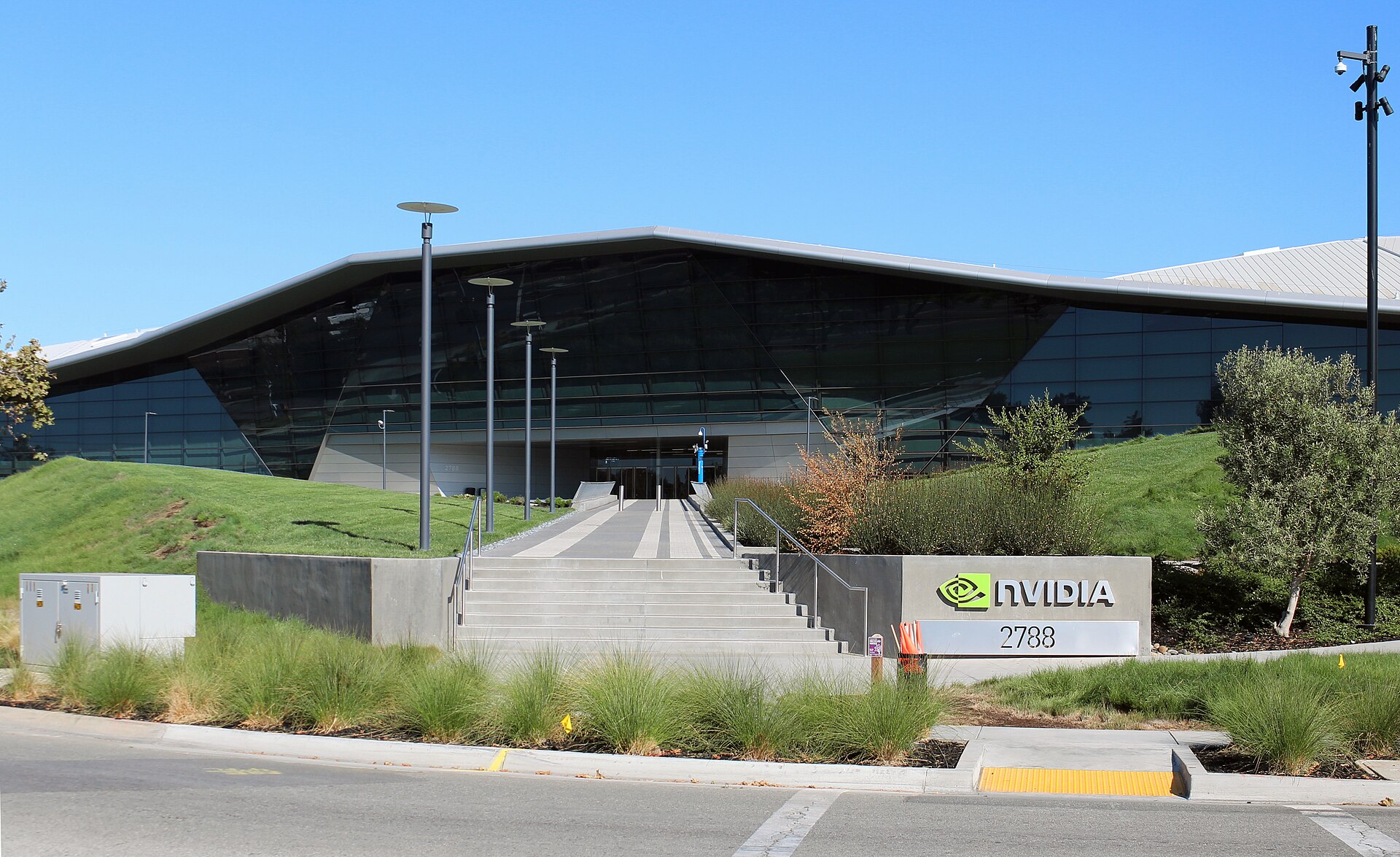
Nvidia and Reflection have released a new set of open models designed for enterprise deployment, marking a significant shift in the artificial intelligence landscape. The partnership allows companies to run these models on their own servers, addressing long-standing security concerns that previously limited adoption. This move challenges the dominance of Chinese laboratories that have led the open-weight AI race for much of the year.
Nvidia and Reflection Partner for Secure Deployment
The collaboration between Nvidia and Reflection provides businesses with the infrastructure to host AI models internally. This capability is critical for sectors like finance and insurance, where data privacy regulations often prohibit the use of foreign-hosted services. By enabling on-premise deployment, the new models offer a viable alternative for organizations that cannot rely on Chinese technology for security reasons.
Reflection launched the initiative with more than 40 partners, including major cloud providers AWS and Microsoft. These integrations are intended to streamline the process of adopting open models within existing enterprise IT environments. The goal is to make open-source AI as accessible and manageable as proprietary cloud solutions.
Early adopters are already testing the technology. Ramp and EY are currently tuning Nvidia’s models specifically for financial documents. This work aims to improve accuracy and efficiency in processing complex financial data, a key use case for the new enterprise open models.
Chinese Labs Respond with Price Cuts
The entry of US-based firms into the open model market has triggered a competitive response from Chinese laboratories. DeepSeek and MiniMax have both released updates that aim to deliver faster task completion at lower costs. MiniMax claims its latest improvements result in a 70% reduction in operational expenses.
These price cuts highlight the intense competition in the AI sector. While US firms focus on security and enterprise readiness, Chinese labs are leveraging scale and efficiency to maintain their market share. The dynamic between security-focused US models and cost-effective Chinese alternatives is reshaping global AI procurement strategies.
Speed and Efficiency Drive New Entrants
Beyond the Nvidia and Reflection partnership, other companies are competing on performance metrics. Inception has introduced Mercury 3, which it claims answers queries four to eight times faster than rival systems. Perplexity is also focusing on speed, with new models optimized for quick yes-or-no decisions used in routing and screening tasks.
This emphasis on speed reflects the growing demand for real-time AI processing in enterprise workflows. As companies integrate AI into customer service, data analysis, and operational management, the ability to process information quickly becomes a key differentiator. The market is no longer defined solely by model size or accuracy, but by how efficiently these models can be deployed and utilized.
The release of these enterprise open models by Nvidia and Reflection provides a concrete option for US firms seeking to reduce reliance on foreign technology. With major partners and early adopters already engaged, the infrastructure for secure, on-premise AI is becoming more robust. The ongoing price competition from Chinese labs ensures that the market will remain dynamic and cost-sensitive in the near future.
Source: PYMNTS
