


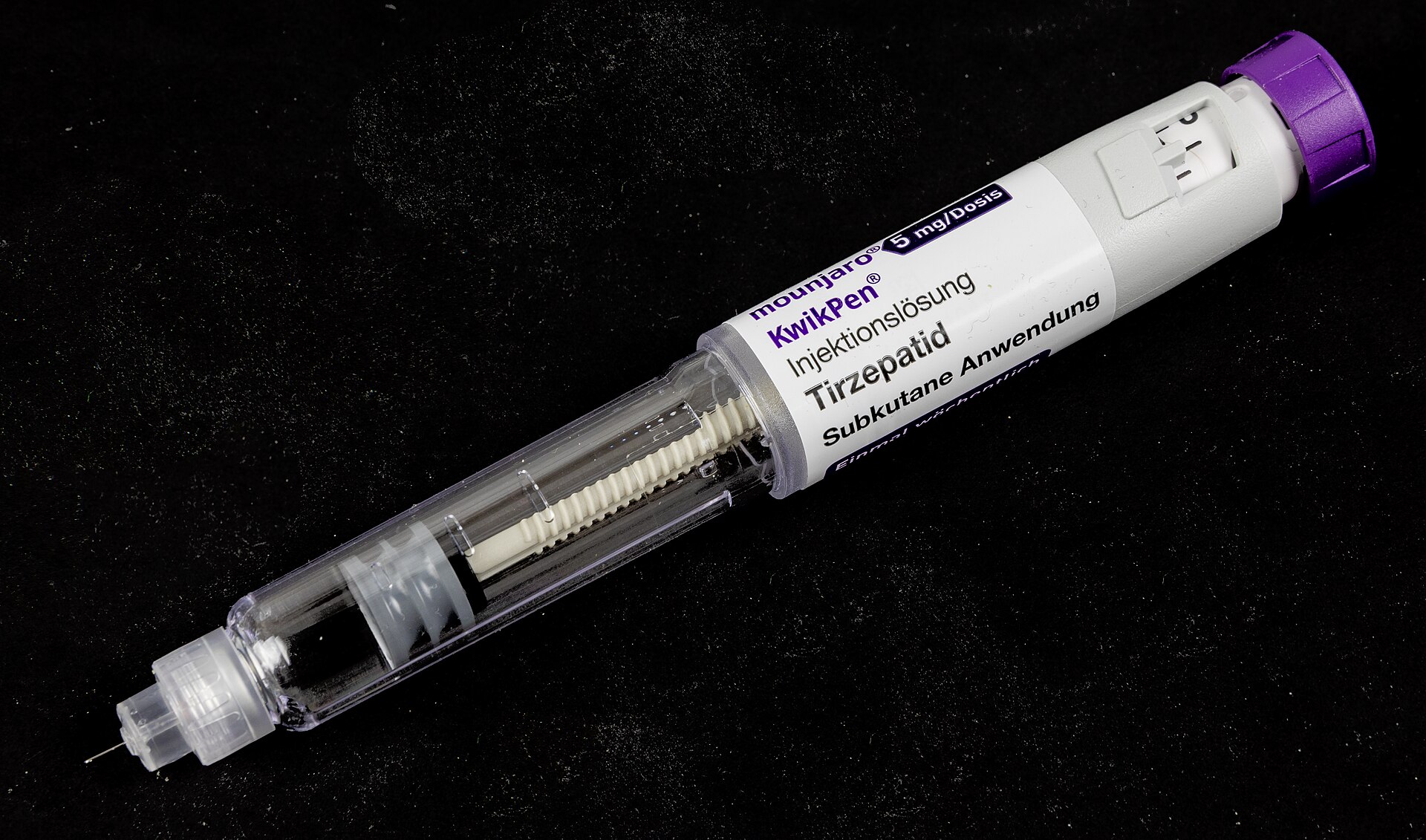
A cross-party group of MPs has called for the National Health Service to provide weight loss injections to hundreds of thousands more patients in England. The Health Committee argued that the current plan to offer the medication to just 220,000 people by 2028 is insufficient and fails to address the scale of the obesity crisis.
Two-tier system emerging
The committee described the proposed rollout as unambitious, noting it would cover only about 6% of the estimated 2.8 million eligible individuals. This limited availability has created a situation where wealthier patients can afford private prescriptions for appetite-suppressing drugs like Mounjaro and Wegovy, while others are left without effective treatment. More than one million people have reportedly turned to private providers due to the lack of NHS availability.
MPs warned that this dynamic is establishing a two-tier healthcare system. They stated that the NHS must provide structured support for obesity, treating it with the same seriousness as diabetes. Moran, a member of the committee, emphasized that people spend their entire lives battling weight issues and are currently being failed by a fragmented system.
Costs and digital solutions
The primary barrier to wider access is cost. Providing the drug to all eligible patients immediately would cost the NHS an estimated £15.2 billion over five years. The Health Committee noted that the NHS is currently planning a 12-year rollout, a timeline that is under review. A significant portion of this expense stems from the reliance on general practitioners to manage prescribing and monitoring.
To reduce these costs, the MPs suggested the NHS should adopt digital platforms similar to those used by private providers. Streamlining patient support through technology could lower administrative burdens and make the treatment more financially viable. The committee also highlighted the broader economic impact of obesity, which is estimated to cost the UK economy around £75 billion annually.
Black market and service gaps
The report also addressed the rise in unlicensed weight loss products sold online. The lack of NHS availability has driven some patients to the black market, prompting calls for a public awareness campaign about the dangers of these unregulated substances. The committee wants a review of how online advertising for these drugs is regulated.
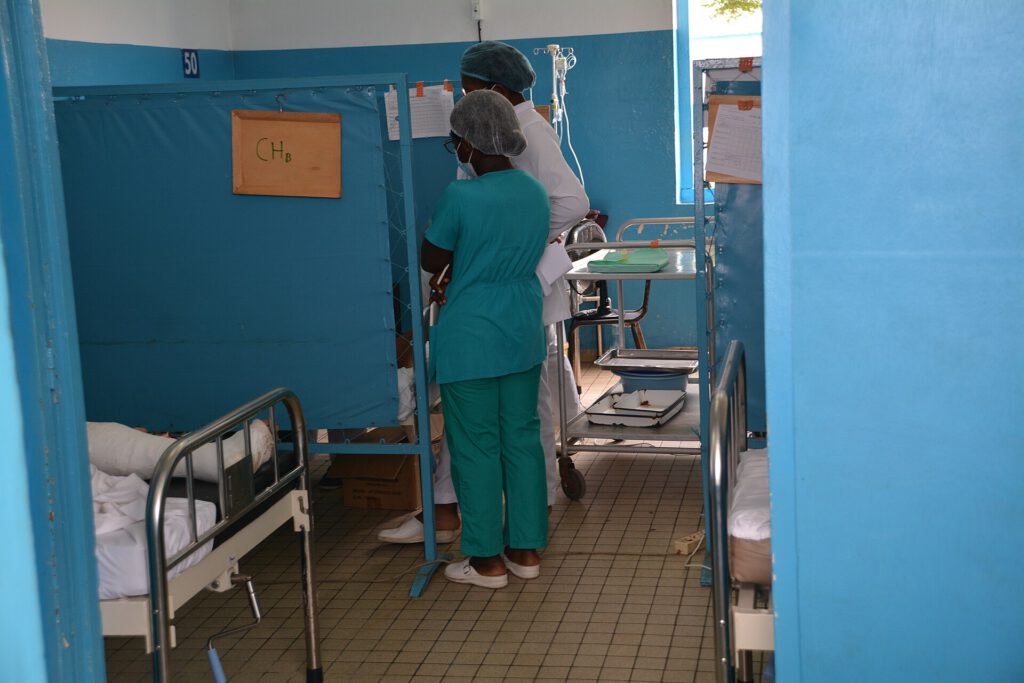
Jack Doughty from the Obesity Health Alliance stated that people living with obesity are let down by overstretched treatment services. He noted that existing options, including behavioral support and bariatric surgery, remain patchy and unequal. The MPs called for better access to diet and lifestyle courses as well as surgical options.
NHS England responded by stating it is prioritizing treatments for those with the most severe and complex needs. However, the organization confirmed it is exploring ways to accelerate the rollout of these medications to meet the growing demand.
Source: BBC
