


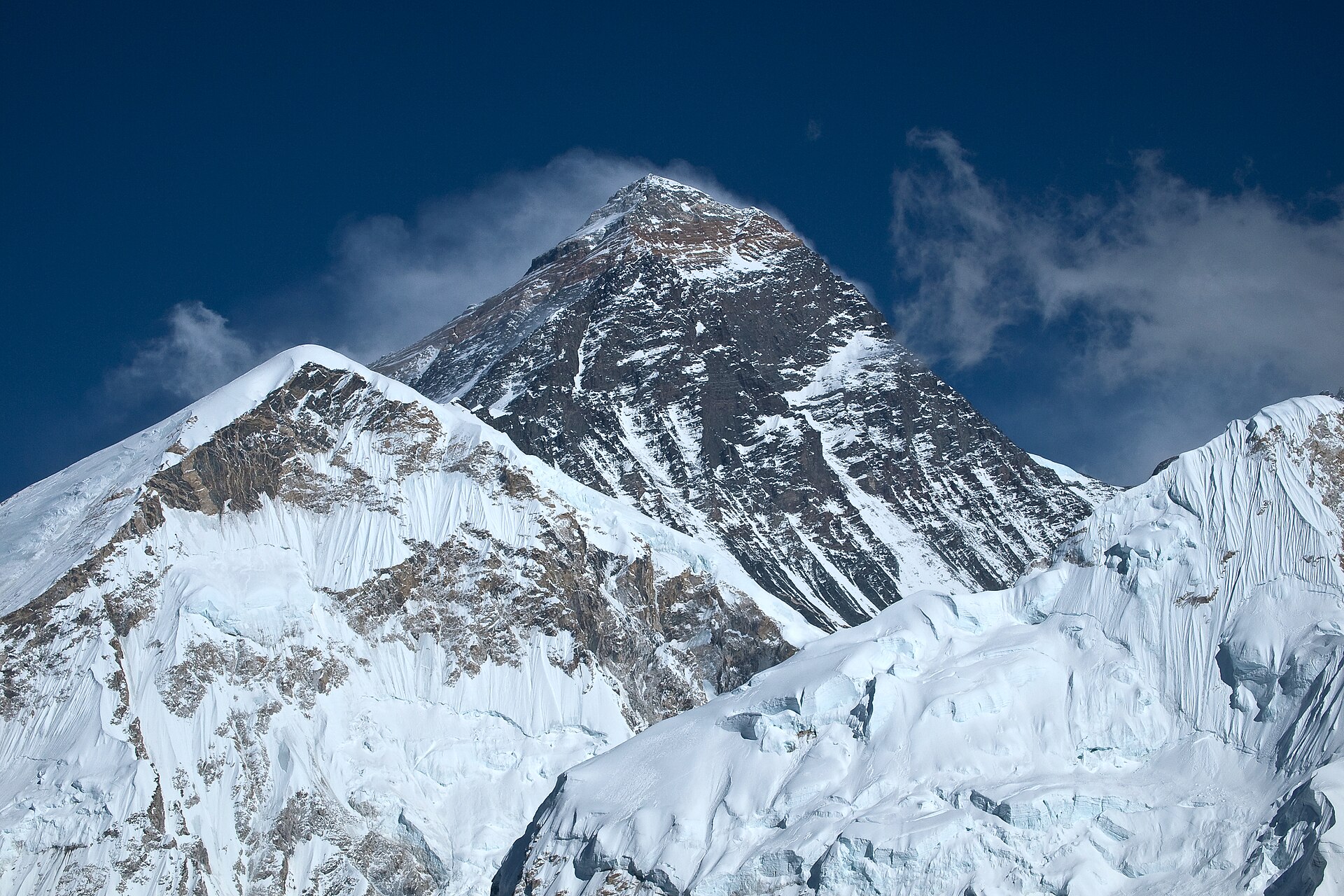
A British climber has summited Mount Everest 20 times, setting a new benchmark for non-Sherpa mountaineers. The achievement marks the culmination of a decades-long journey that began with a severe injury and a prognosis that he would never walk unaided again.
From Broken Heels to High Altitude
The climber grew up in Slough, Berkshire, spending his youth outdoors building dams and sleeping in trees. His interest in climbing began at age 17 when a friend introduced him to an indoor climbing wall. He quickly developed a passion for the physical challenge and the problem-solving aspect of finding handholds and footholds.
His early outdoor experiences included climbing on the south coast of Dorset and later spending five weeks camping in Chamonix, France, where he climbed Mont Blanc. He studied geology at the University of Leeds and joined the climbing club, which led to a pivotal trip to Pakistan. While the climbing was significant, he noted that the people he met there were the true turning point in his life.
For the next decade, he balanced work in ski and climbing shops with climbing across Europe, New Zealand, and Asia. In 1996, his career faced a major setback when he fell from a rock face, shattering both heel bones. Doctors told him he would not walk again without assistance. After multiple surgeries and three months in a wheelchair, he defied medical advice to recover enough to climb and even ski some of the world’s highest peaks.
His resilience and skill earned him a Piolet d’Or nomination in 2003 after his team established a new route on Annapurna III, a 7,555-metre peak in Nepal. This recognition led to an offer from a Sheffield-based adventure company to guide an expedition to Everest.
Guiding and Breaking Records
Although he had never climbed above 8,000 metres or led high-altitude expeditions before, he accepted the challenge. The first ascent took eight weeks and relied heavily on Sherpa expertise. He described the experience of standing on the summit as magical, looking down at the Himalayas spread below.
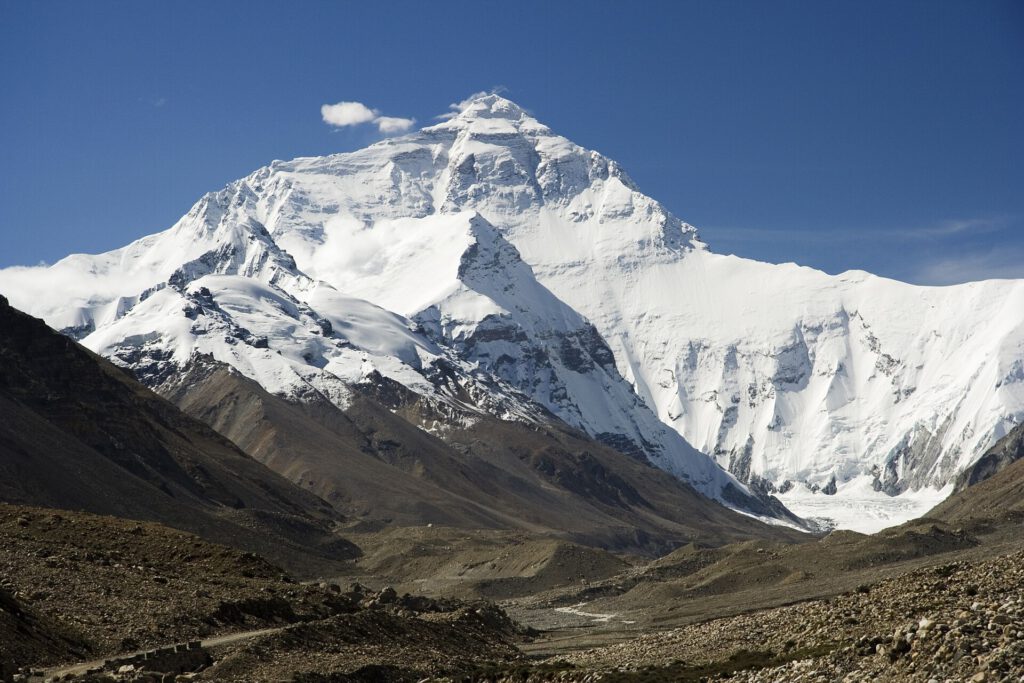
He enjoyed facilitating other people’s journeys so much that he founded his own guiding company in 2006. He now takes on only one client per year, preparing with them for up to three years. He has climbed Everest most years since his first ascent.
In 2022, he broke the record for the most Everest summits by a non-Sherpa after his 16th ascent. He recently completed his 20th summit, further extending his hold on the title. Kami Rita Sherpa holds the overall record for the most summits.
The journey has not been without danger. He has experienced catastrophic oxygen delivery failures that forced him to share tanks with clients. He has also witnessed the harsh realities of the mountain, including the death of a climber in his arms and the recovery of a deceased Sherpa from the fixed ropes. He emphasizes that the mountain does not respect experience levels and that anyone can die there.
Despite the risks, he recalls beautiful moments, such as a summit day in 2017 with clear skies and views of Kangchenjunga and Makalu. He also climbed the neighbouring peak Nuptse in 2013, reflecting on years of memories from that vantage point.
He states that the numbers have never been the primary goal. The mountain has served as a vehicle to connect with the people who mean the most to him, including Sherpas, locals who have fed him, and friends who have nursed him when ill. He says there will be a time when he stops climbing Everest, but it will not be soon.
Source: The Guardian
