



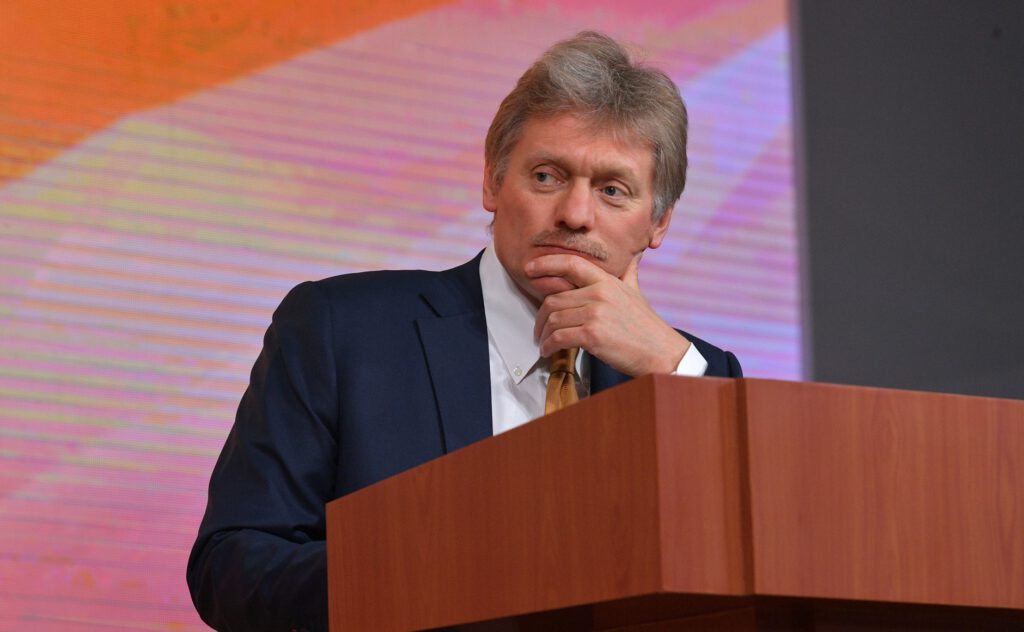
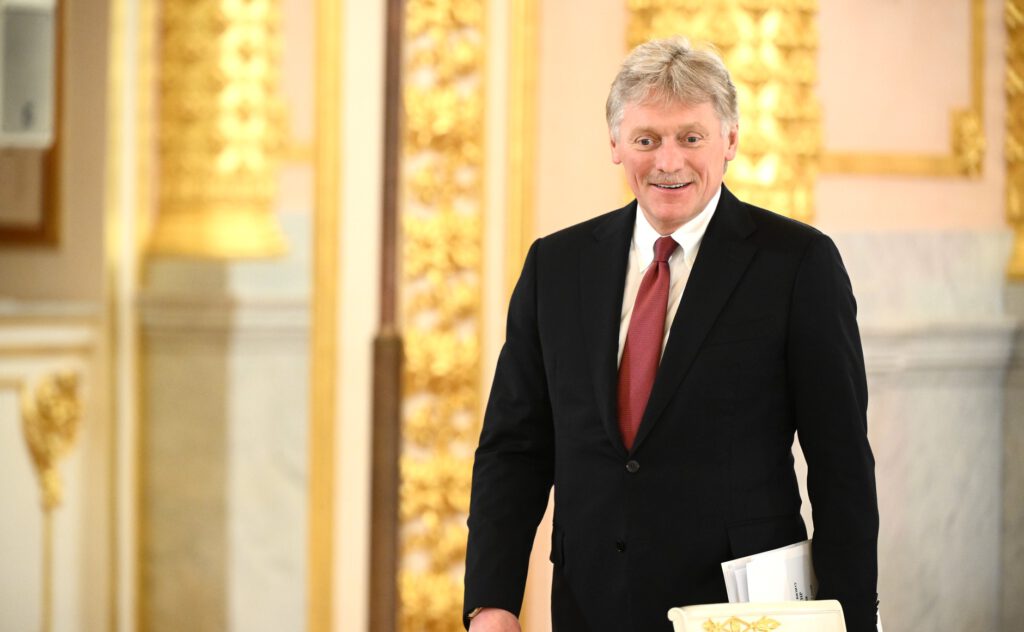
The Kremlin confirmed on Friday that trilateral negotiations between Russia, Ukraine, and the United States are scheduled for the first half of November in Abu Dhabi. Dmitry Peskov, the spokesperson for the Russian president, stated that the talks would take place in a three-way format, marking the first official planning for such discussions since negotiations stalled earlier this year.
The proposed meetings come after a period of diplomatic silence. US-brokered talks held earlier this year yielded little progress before the Trump administration shifted its focus to other geopolitical priorities, including tensions with Iran. However, the diplomatic landscape shifted this week following a meeting between US Special Envoy Steve Witkoff and Russian President Vladimir Putin in St Petersburg. Russia signaled its willingness to reengage in the peace process following that encounter.
Hardline Demands and Security Concerns
Expectations for a breakthrough remain low. Previous rounds of diplomacy have failed to produce results, largely due to Russia’s insistence on significant territorial concessions from Ukraine and a guarantee that Kyiv will not join the North Atlantic Treaty Organization. In a televised interview aired late Thursday, Putin emphasized that any trilateral discussions must focus on long-term security arrangements for a final peace deal rather than a temporary ceasefire.
Ukrainian President Volodymyr Zelenskyy met with Witkoff on Tuesday, and Kyiv expressed hope for talks to begin as soon as possible. Despite this public eagerness, the gap between the two sides remains wide. European leaders have warned that recent developments, including eased sanctions and energy deals between Washington and Moscow, could complicate efforts to achieve a lasting peace by giving Russia renewed hope.
Strain on Western Support
The confirmation of the November talks arrives amid growing friction between Kyiv and certain members of the US government. President Donald Trump has faced criticism for his handling of the war, particularly after his administration’s actions in Iran contributed to rising energy prices ahead of midterm elections. Trump has also publicly criticized Ukraine’s targeting of Russian energy infrastructure.
Complicating matters further, Moscow announced on Friday that the first shipment of 300,000 tonnes of Russian diesel, part of a deal facilitated by the US, was en route to New York. This transaction has drawn sharp rebuke from European officials, who argue it provides financial lifelines to the Russian war effort. Meanwhile, Ukrainian forces have reported difficulties in accessing Starlink satellite technology and crucial intelligence, raising concerns about the sustainability of their defense capabilities.
Amid the diplomatic maneuvering, Russia’s Defense Ministry announced on Friday that Moscow and Kyiv had exchanged 270 prisoners of war. The ministry stated that the freed Russian servicemen were currently in Belarus and would be transported to Russia after receiving medical and psychological assistance. Prisoner swaps remain one of the few consistent points of contact between the two nations since the full-scale invasion began in February 2022.
Source: Al Jazeera
