


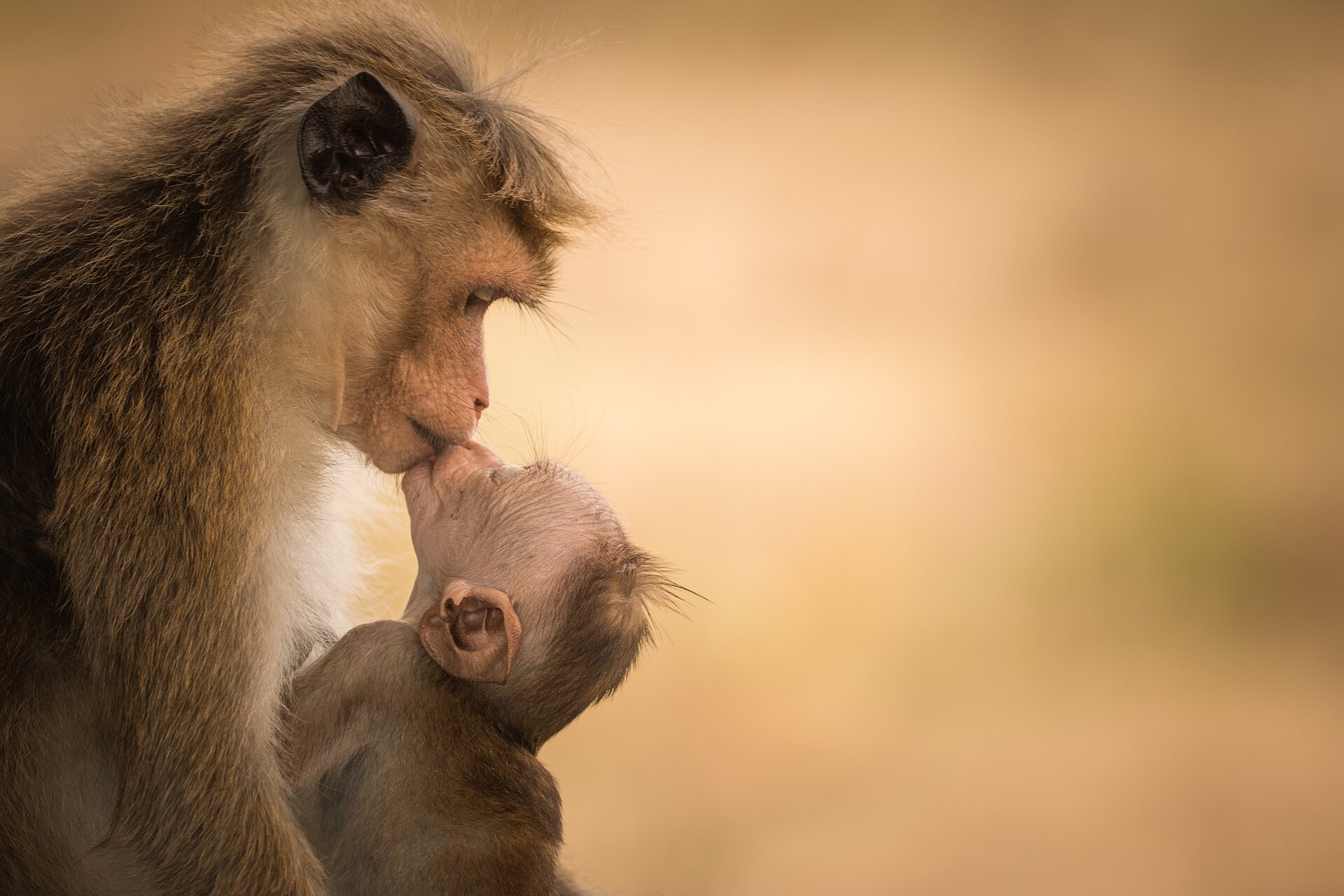
Monkeys that survived a deadly viral outbreak at a Texas sanctuary display significantly stronger germ avoidance behaviors than their unaffected peers, according to new research published in the journal Royal Society Open Science. The findings suggest that experiencing a health crisis can trigger a lasting increase in caution regarding potential disease sources.
SRV Outbreak Changes Behavior
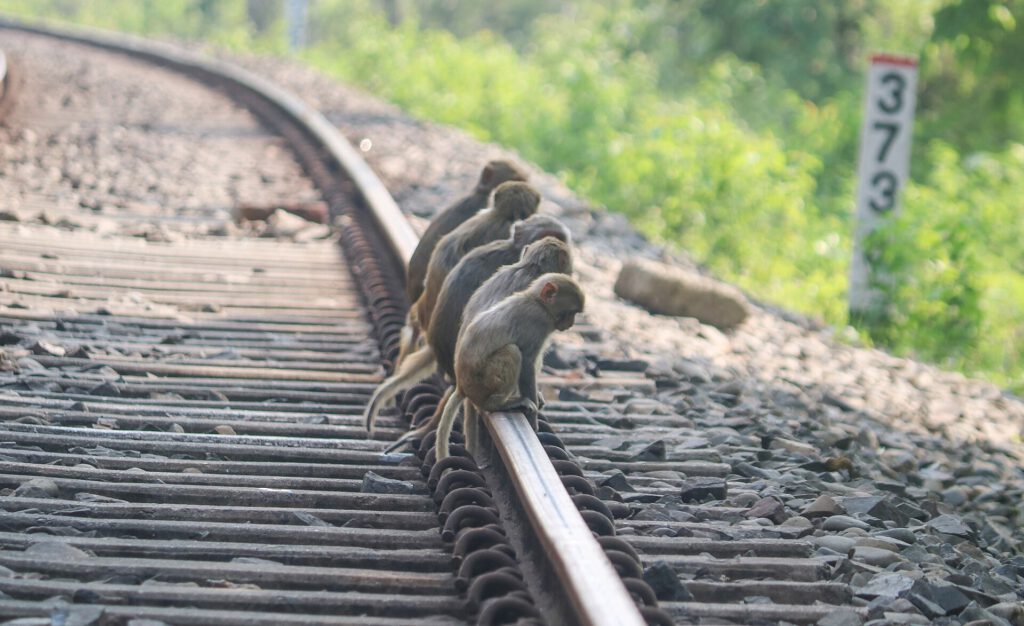
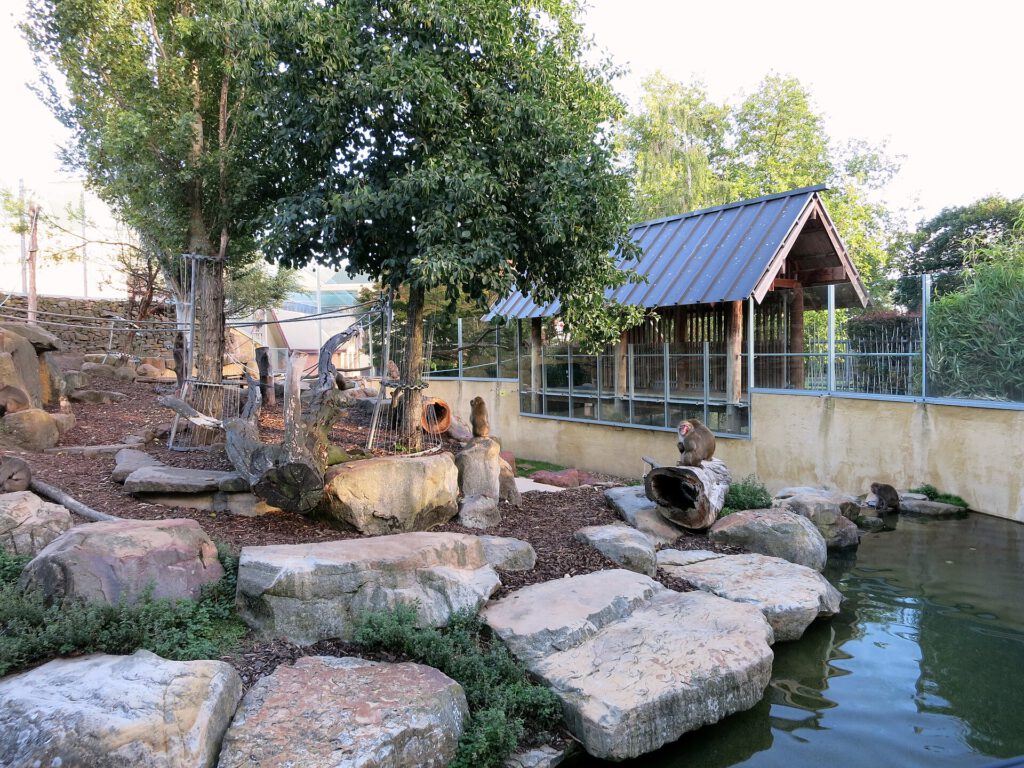
In 2020, an enclosure housing over 100 macaques at a Texas sanctuary was struck by Simian Retrovirus (SRV). The HIV-like pathogen spreads through bodily fluids and can kill infected monkeys within three to four weeks. Many animals died during the incident, while others survived with chronic immunodeficiency.
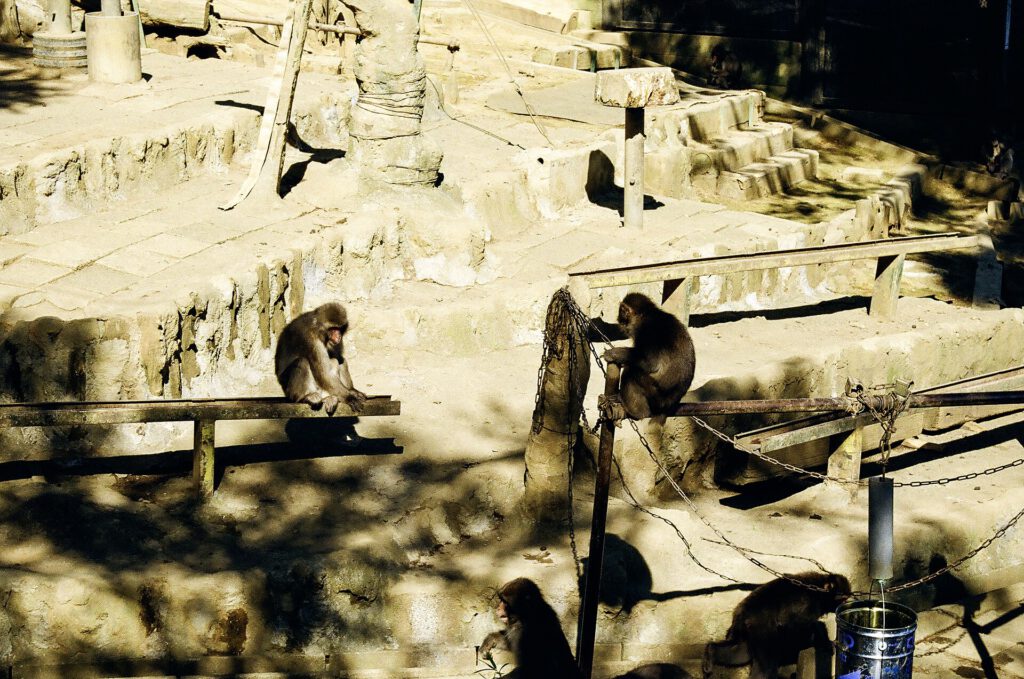
Sanctuary staff separated the animals into two groups: those who experienced the outbreak directly or witnessed it, and those who remained unexposed. Researchers used this natural division to test whether the traumatic event altered the monkeys’ risk assessment regarding hygiene.
Stephan Kaufhold, a cognitive scientist at UC San Diego, led the study to determine if the outbreak made individual monkeys more wary of picking up pathogens. He noted that while many animals naturally avoid feces to prevent bacterial infection, it is less clear how flexible this avoidance is when triggered by a specific traumatic event.
Testing Disgust Responses
From 2022 to 2024, the research team conducted nearly 200 trials to measure the monkeys’ reactions to contaminated food. The subjects were presented with two grapes, a rare treat at the sanctuary. One grape sat on a clean piece of wood. The other was placed on top of macaque feces that had been encased in epoxy to prevent actual contact with waste.
The epoxy-covered feces retained a glossy, wet appearance designed to trigger disgust. Kaufhold stated that the setup effectively mimicked the visual cues of contamination without posing a health risk to the animals.
The results showed a stark contrast between the two groups. Seventy-nine percent of the monkeys that had not experienced the outbreak ate the grape placed on the fake feces. In contrast, only 47 percent of the outbreak survivors consumed the contaminated treat.
“I was surprised,” Kaufhold said. “I think it’s pretty clear evidence that something is going on.” He suggests the outbreak may have heightened the monkeys’ sensitivity to disgust, an evolutionary mechanism designed to protect the body from contamination.
Scientific Context and Limitations
Andrew MacIntosh, a biologist at the Wilder Institute who was not involved in the study, called the findings plausible but noted that more evidence is needed to confirm the link between past outbreaks and current caution. He pointed out that the experiment took place several years after the SRV incident, allowing other factors to influence behavior.
MacIntosh also highlighted a disconnect between the mode of transmission for SRV and the test method. The virus spreads through scratches or bites, not fecal contamination. However, he compared the monkeys’ behavior to human responses during the early days of the SARS-CoV-2 pandemic, when people adopted extreme hygiene measures despite not fully understanding how the virus spread.
“We’re not claiming that macaques had any sort of understanding of the mechanism of viruses, it just seems to be an increased caution,” Kaufhold said. He added that these impulses may be shaped by evolution as a way to stave off sickness in an uncertain world.
The study adds to a growing body of evidence that animals, from nematodes to primates, possess complex mechanisms for disease avoidance. While scientists cannot confirm whether macaques experience the emotional state of disgust, the behavioral shift observed in the Texas sanctuary suggests that past exposure to pathogens can leave a lasting mark on risk-taking behavior.
Source: NPR
