


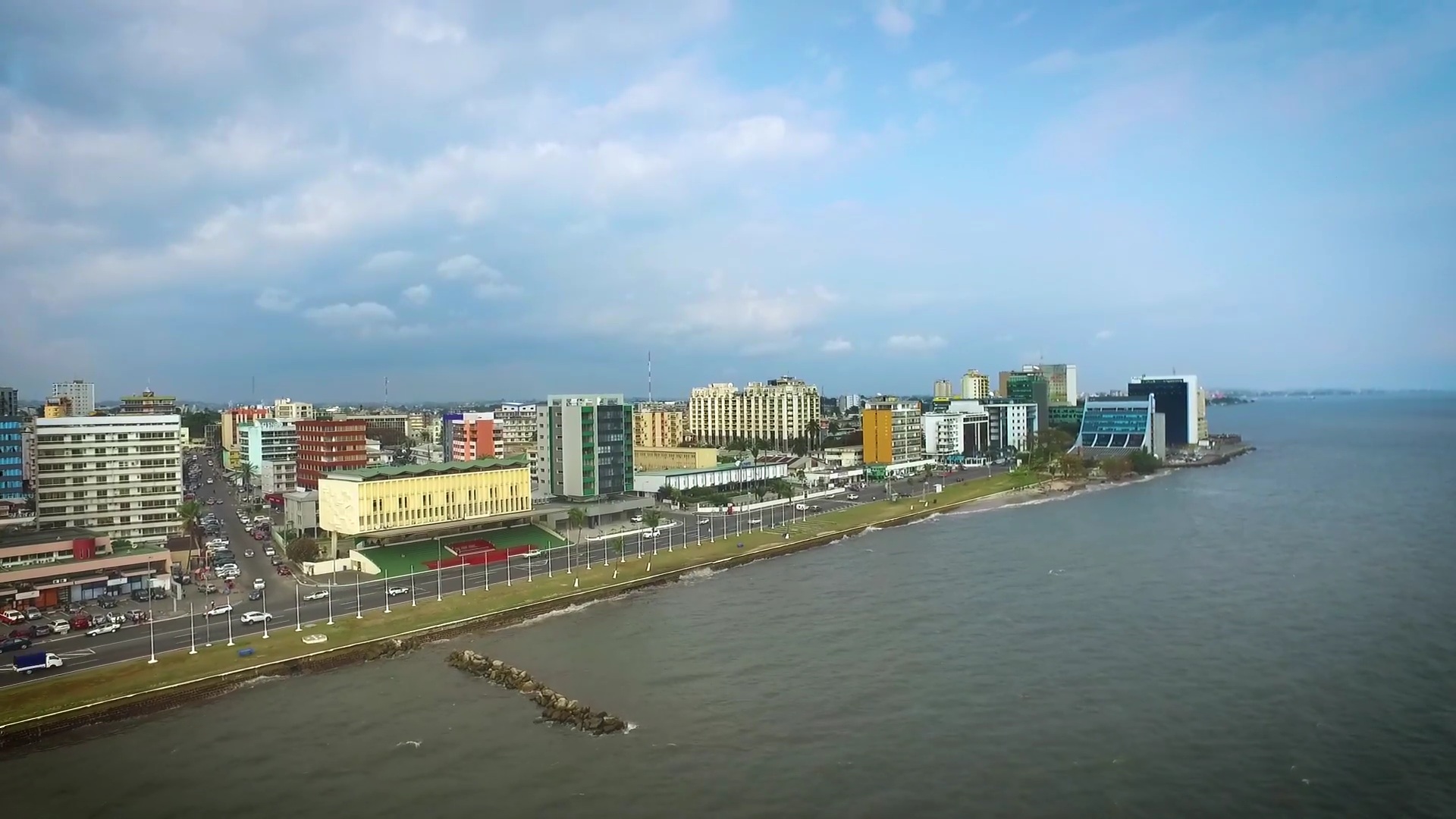
Gabon has lifted an eight-month ban on social media platforms, ending a period of restricted digital access that drew widespread criticism. The High Communication Authority (HAC) announced the decision on Saturday in a televised statement, marking the end of restrictions that were originally imposed on 17 February.
End of Digital Restrictions
The HAC stated that the move was taken to address the situation in the central African nation. The regulator had previously justified the ban by claiming that online content was fuelling conflict and deepening divisions within the country. The announcement on Saturday confirmed the reversal of that policy without introducing new regulatory frameworks in the initial statement.
The ban had been a significant disruption for the country’s population of approximately 2.5 million people. Platforms including Facebook, TikTok, YouTube, and Instagram had been widely used by younger Gabonese citizens for both business and personal communication. During the period of the ban, many users turned to virtual private networks (VPNs) to bypass the restrictions and continue accessing these sites.
Context of Social Unrest
The decision to restrict social media came during a period of heightened tension for President Brice Oligui Nguema. The ban was introduced less than a year after his election, a time when the government was facing a wave of social unrest. Teachers and civil servants had staged strikes, citing low pay and poor working conditions as the primary drivers of the protests.
Nguema won the previous year’s elections with more than 90% of the vote. He came to power two years prior after a coup that ended more than five decades of rule by the Bongo family. At the time of his election, he pledged to reform Gabon, a nation rich in oil and timber. The previous governments had utilized digital blackouts as a method to control information flow, a practice that continued under the current administration until this latest reversal.

The BBC has approached the country’s media regulator for comment regarding the specifics of the restoration process.
Source: BBC
