


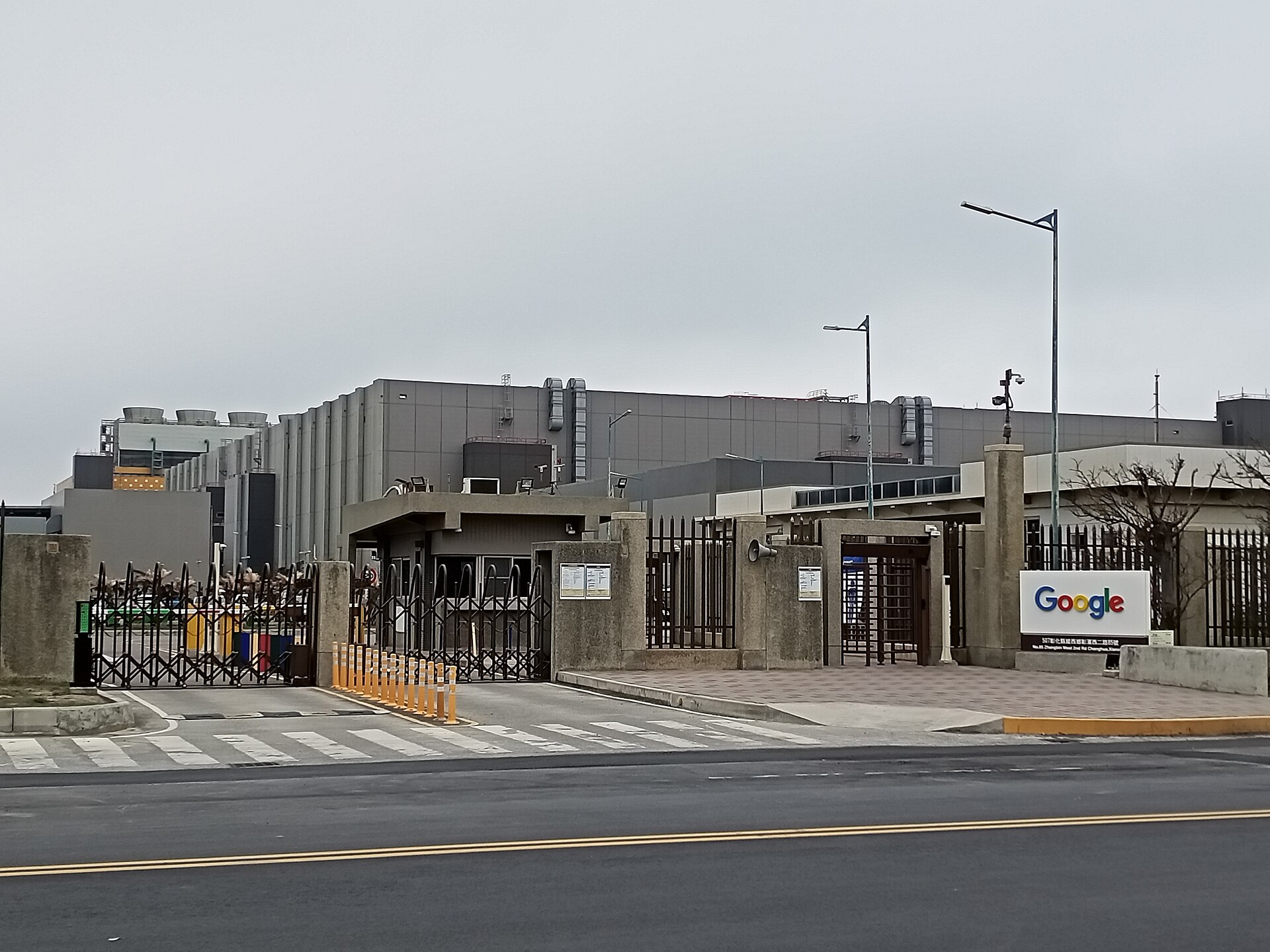
Data centers have moved from obscure industrial facilities to the center of American political discourse. As the November midterm elections approach, the rapid expansion of these massive server farms is sparking a fierce data center debate that cuts across party lines.
Until recently, most people were unaware of the warehouse-like structures that power the internet. Today, they house the advanced computer chips and servers required to run artificial intelligence services like ChatGPT and Claude. The speed of their growth, however, has triggered a global backlash regarding their enormous electricity consumption and environmental footprint.
Political Collision in the US
The issue has become a significant flashpoint in the United States. Both Republicans and Democrats are facing constituent pressure to slow down development. This puts them on a collision course with President Donald Trump, who has dismissed the opposition as a “sick conspiracy” while the industry continues to expand.
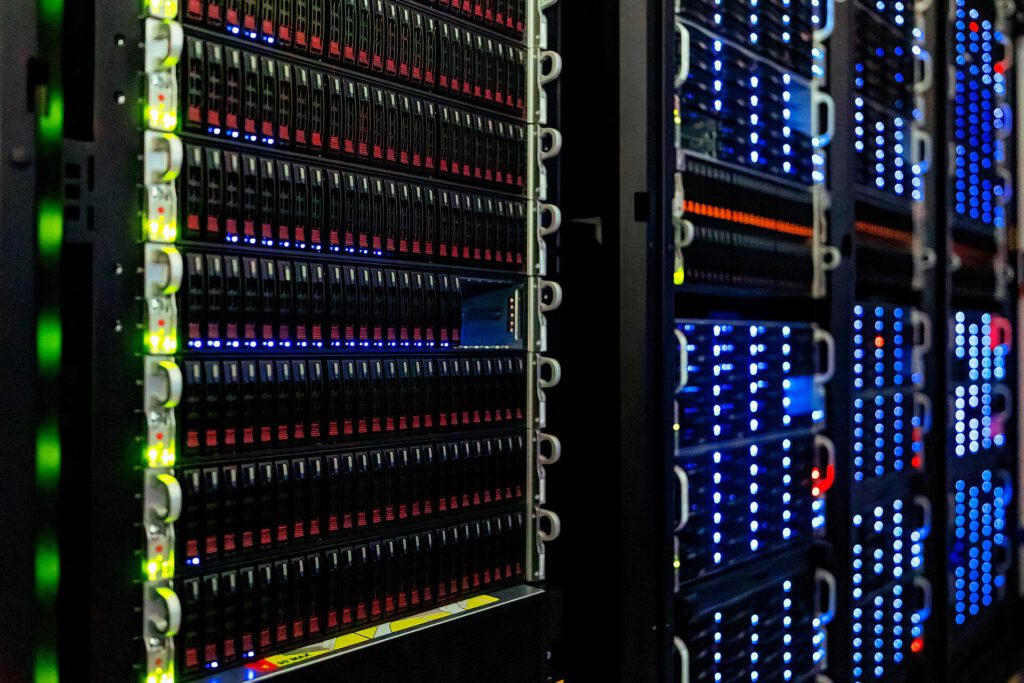
According to Data Center Map, there are approximately 12,250 operational and pre-operational data centers worldwide. This number has risen sharply from around 8,000 sites in 2021. The United States leads the world with 4,767 sites, followed by Europe, where the UK and Germany are the primary hubs.
While the US leads in the number of sites, it holds an even larger advantage in actual computing capacity. China ranks second, while Europe lags significantly behind. Analysts warn that this gap could widen, potentially causing Europe to miss out on the economic benefits of the AI boom.
Resource Strain and Local Opposition
Data centers vary in size, ranging from small units to facilities covering vast tracts of land. The world’s largest operational center, run by China Telecom in Hohhot, covers about one million square meters. However, many new sites are being built in rural areas, far from the cities where they were traditionally located.
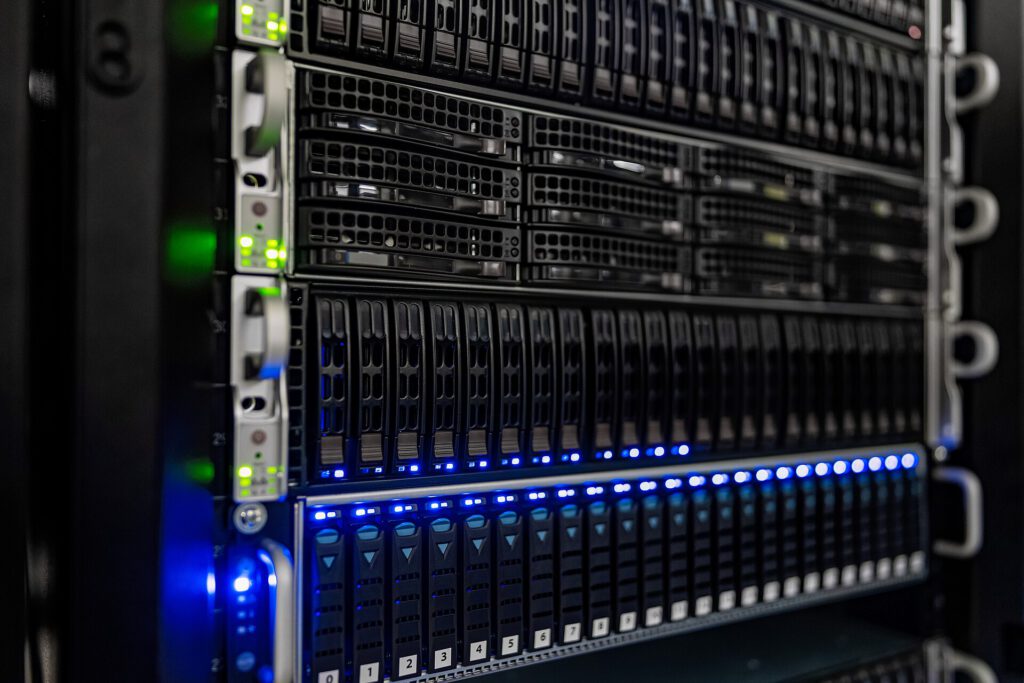
The pressure on local resources is intensifying. These facilities require massive amounts of water for cooling systems, raising concerns about potential water shortages in nearby communities. They also consume more electricity than the entire country of France. This growing demand is driving up carbon emissions and straining local power grids, which some experts fear could lead to higher energy prices for residents.
Public anger is manifesting in legislative action. Sixteen US states have proposed laws to ban or temporarily block new facilities. Opposition has also emerged in Mexico, France, Indonesia, and the UK. In some cases, local regulators have clashed with developers over air quality standards. For example, Elon Musk’s xAI company plans to use 41 methane gas turbines to power its Colossus 2 site, a move activists argue will significantly increase local pollution.
Economic Benefits vs. Environmental Costs
Supporters of the industry argue that data centers are critical for national security and the continued development of AI. They also highlight the economic benefits, noting that these facilities attract investment, generate tax revenue, and create construction jobs.
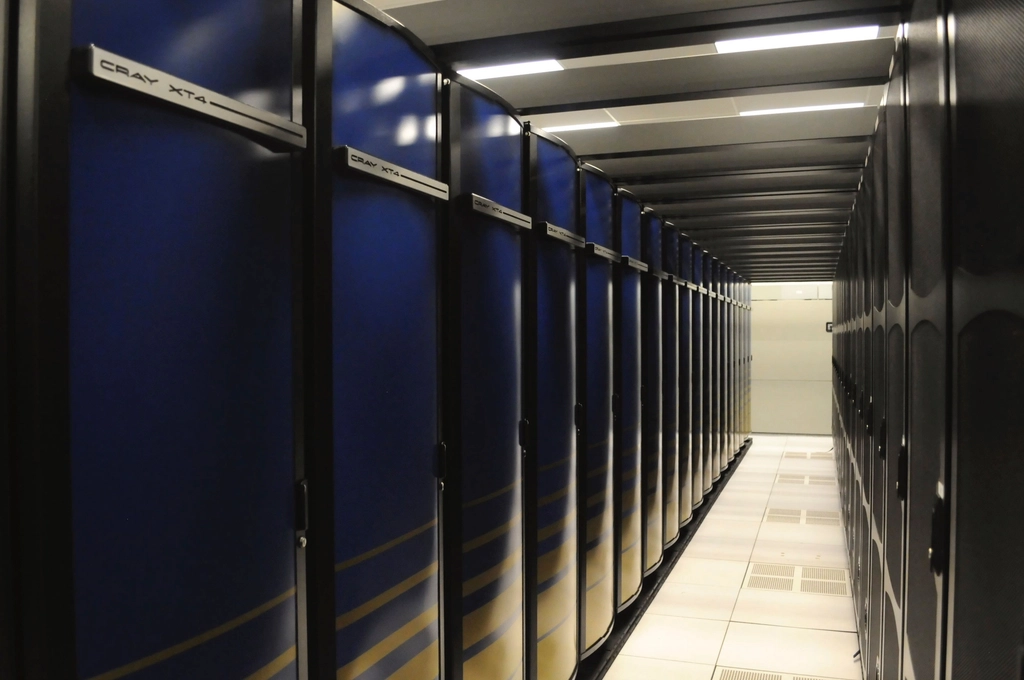
A recent report by the Brookings Center suggests that data centers do create local jobs, though fewer than industry advocates often claim. The type of facility matters. Hyperscale sites owned by tech giants like Amazon and Microsoft tend to have a larger positive impact on local employment. In contrast, colocation facilities, which lease space to remote tenants, offer fewer local benefits.
Despite the controversy, the rollout continues. The tech industry is expected to spend a combined $765 billion on AI infrastructure in 2026. This figure is projected to exceed $1 trillion next year. As concerns about environmental impact grow, the industry is exploring alternatives. Some proposals include placing data centers in space or on the Moon to harness solar energy. Others predict that future AI processing will be handled by hardware in personal devices, reducing the need for massive centralized facilities.
Source: BBC
