


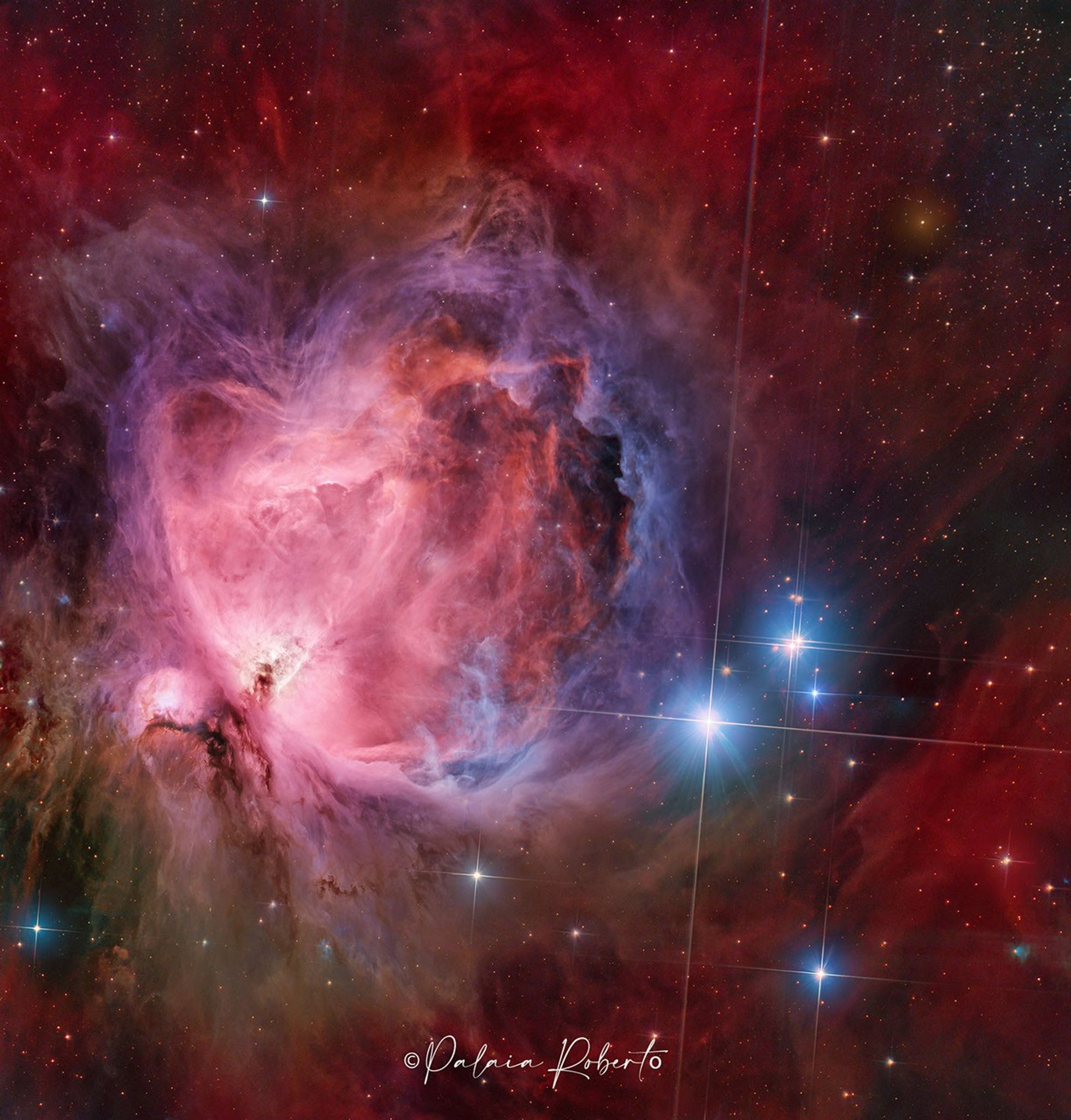
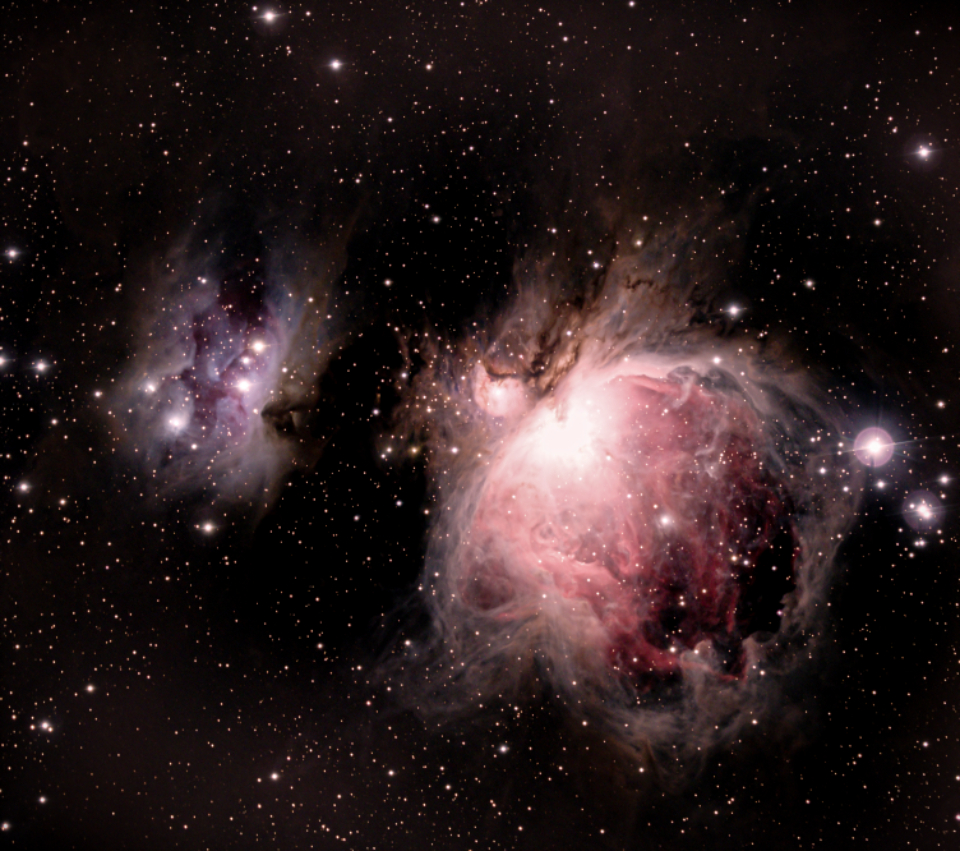
Astronomers have released a new deep image of the Orion Nebula, also known as M42, showcasing the intricate details of one of the most famous astronomical nebulas. The featured photograph, part of a daily cosmic image series, uses assigned colors to highlight emission in hydrogen, making wisps and sheets of dust and gas particularly evident against the dark backdrop of space.
Location and Structure of M42
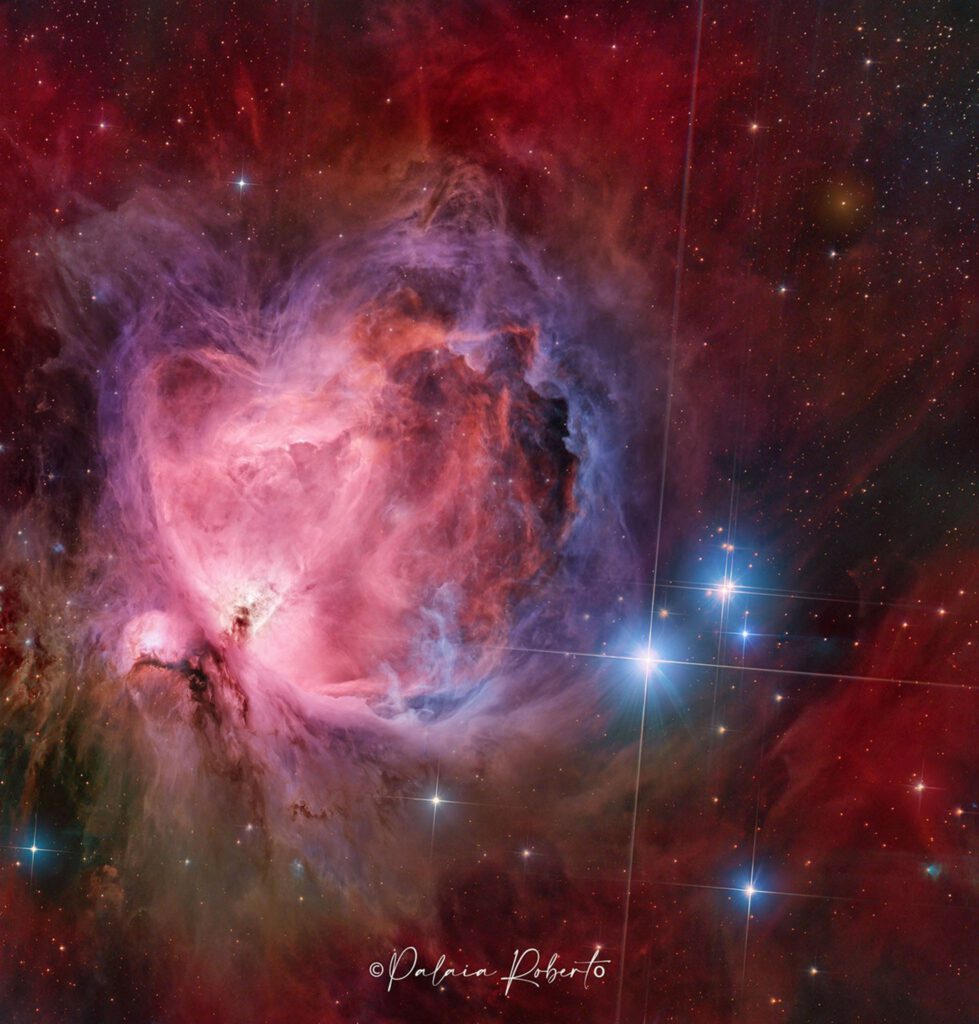
The Orion Nebula is an immense, nearby starbirth region located in the same spiral arm of our Galaxy as the Sun. It sits at the edge of an immense interstellar molecular cloud, only 1500 light-years away from Earth. The nebula spans about 40 light years and can be found with the unaided eye near the easily identifiable belt of three stars in the popular constellation Orion.
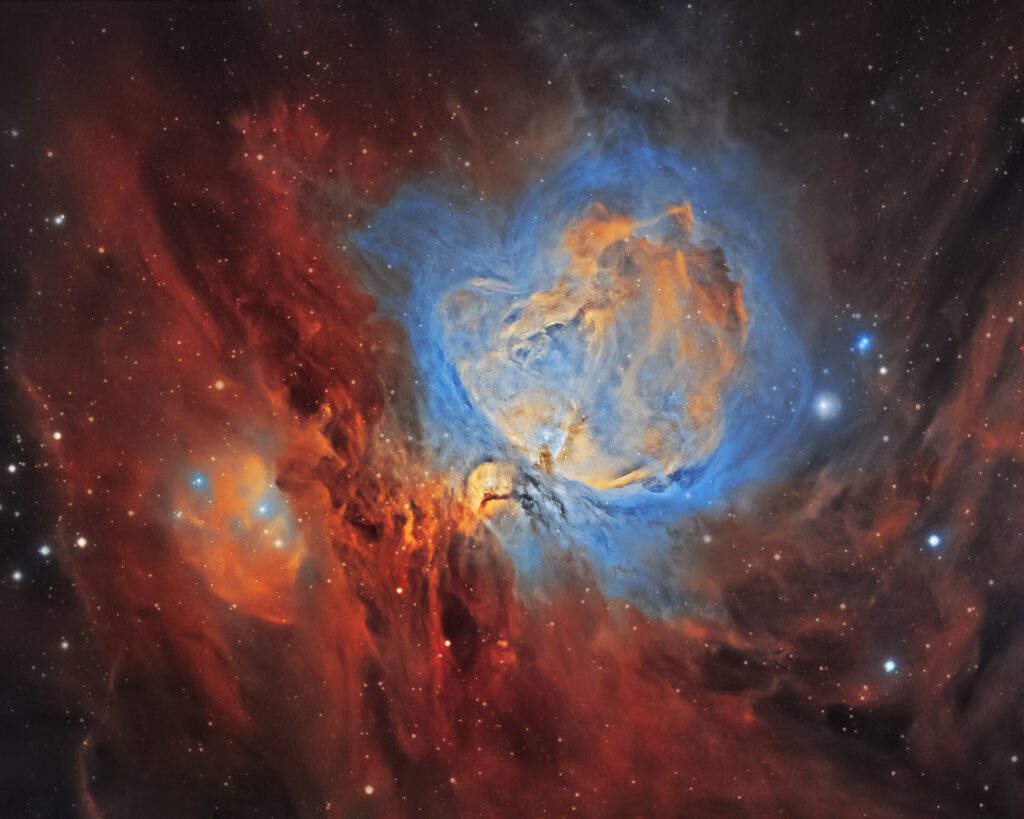
In the featured deep image, glowing gas surrounds hot young stars. The visual clarity of the hydrogen emission allows viewers to see the complex structures within the nebula, including the bright open cluster of stars known as the Trapezium. This cluster is a central feature of the Orion Nebula and serves as a key identifier for observers.
Stellar Nurseries and Proplyds
Beyond the Trapezium, the Orion Nebula contains many stellar nurseries. These areas are rich in hydrogen gas and host hot young stars in various stages of formation. The nebula is also home to proplyds, which are protoplanetary disks that may eventually form planetary systems. Additionally, stellar jets spew material at high speeds, further shaping the environment within this active region.
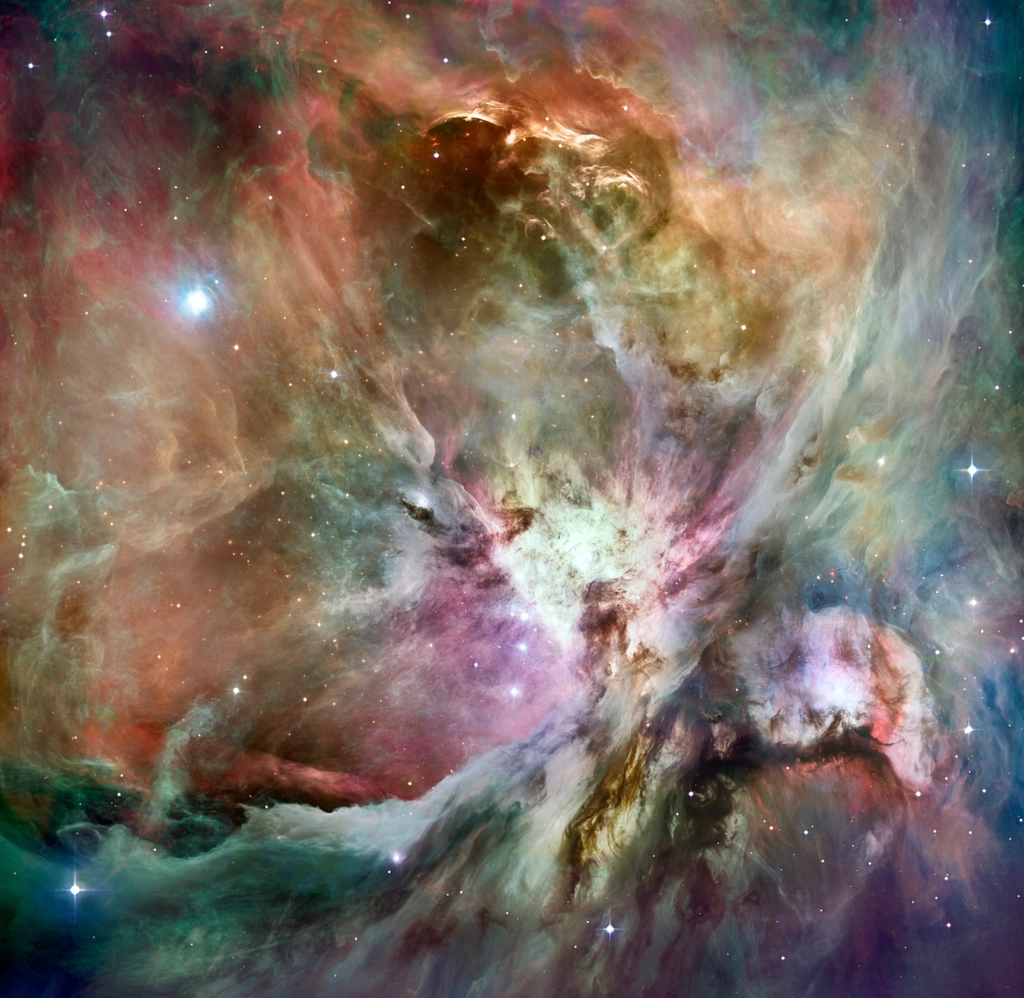
The combination of glowing gas, dust sheets, and young stars makes the Orion Nebula a critical area for studying star formation. The new image provides a detailed look at these processes, offering insights into the dynamic nature of this nearby cosmic neighborhood.
Source: NASA
