


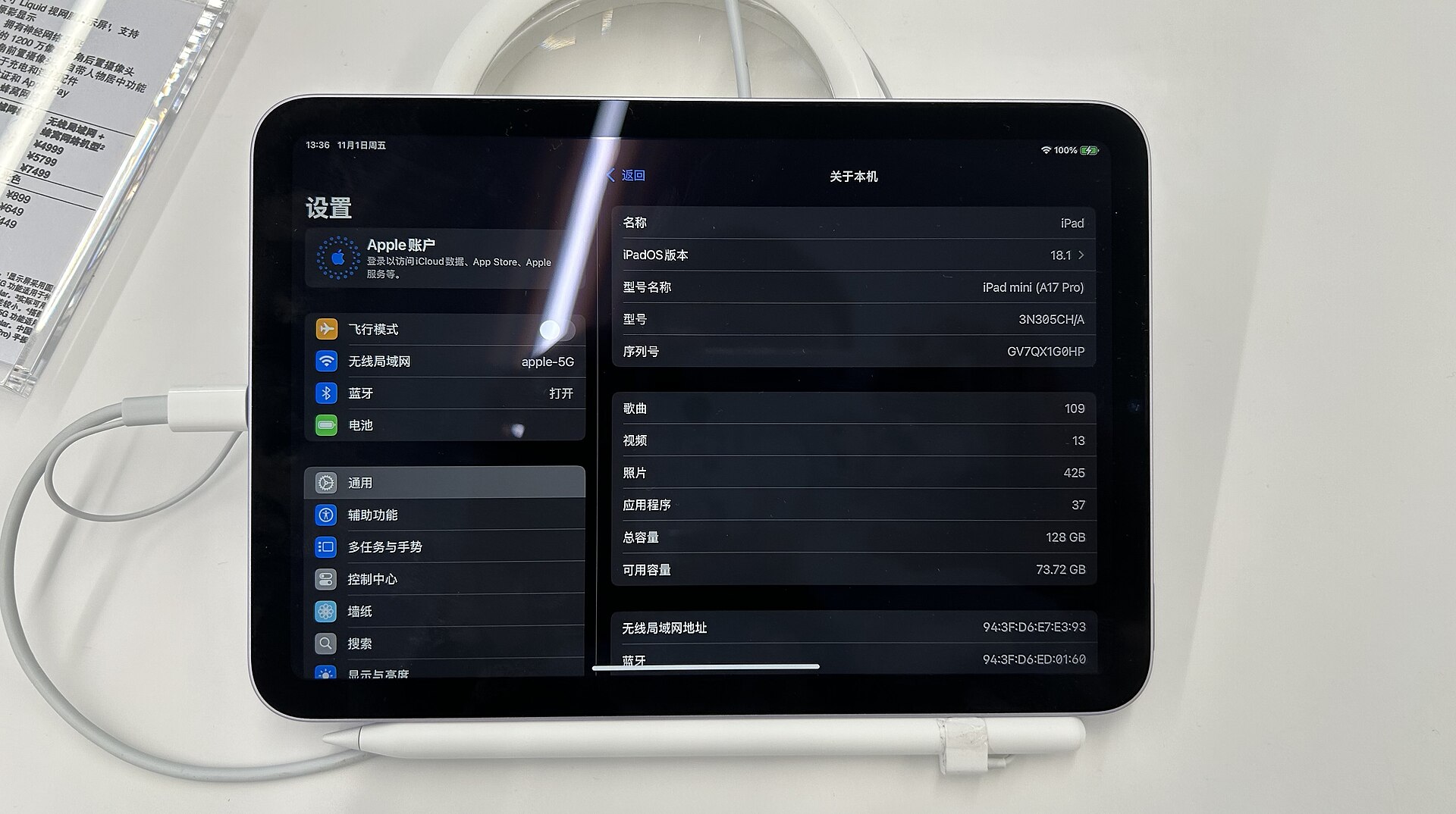
Apple introduced the latest iteration of its compact tablet, the new iPad mini, on Monday. The device marks a significant shift in the product line, moving from LCD to OLED display technology and adopting a more powerful processor. While the exterior design remains familiar, several internal and structural changes distinguish this model from its predecessor.
Display and Design Changes
The most visible upgrade is the screen. The new iPad mini features an 8.5-inch OLED display, an increase from the 8.3-inch panel found in the previous generation. Apple states that this change allows for pixel-level lighting control, resulting in deeper blacks and support for the P3 wide color gamut. Brightness has also doubled, with peak HDR output reaching 1200 nits compared to the previous 600 nits. Standard SDR brightness sits at 600 nits, up from 500.
The device has also become slightly more compact. The width has been reduced from 134.8mm to 132.6mm, and the weight has dropped to 255 grams for the Wi-Fi model, down from 293 grams. The front-facing camera has been repositioned to the landscape edge of the device, a change intended to improve framing during video calls when the tablet is held horizontally.
Apple is offering the tablet in two colors: Midnight and Starlight. The reduced bezels contribute to the larger screen area while maintaining a manageable form factor. For users who work in bright environments, Apple is introducing an optional nano-texture display on models with 256GB of storage or higher. This is the first time this anti-reflective finish has been available on the iPad mini.
Performance and Audio Upgrades
Under the hood, the tablet is powered by the A20 Pro chip. This processor, which debuted in the iPhone 18 Pro and iPhone Duo, is built on a 2-nanometer process. Apple claims this results in up to 4.5 times faster AI performance and a 2.7x boost in graphics speed due to hardware-accelerated ray tracing and mesh shading.
However, performance varies by storage tier. Only the 512GB model receives the full A20 Pro configuration, which includes a 6-core CPU and a Dual 16-core Neural Engine. All other storage options utilize a binned version of the chip with a 5-core CPU and a standard 16-core Neural Engine. This distinction means the maximum performance figures advertised by Apple apply only to the highest-end configuration.
Audio delivery has also been redesigned. Apple has replaced the traditional stereo speakers with an Acoustic Display system. This setup uses specially designed woofers paired through the display for bass and custom tweeters hidden between the glass and aluminum enclosure for highs. This sealed acoustic enclosure also enables the device to achieve an IP67 rating for water and dust resistance, a first for the iPad mini line.
Pricing and Availability
The new iPad mini comes with a higher starting price than previous models. The base price is now $699, an increase from the $599 starting point of the prior generation. The device supports fast charging, reaching 50 percent capacity in 30 minutes with a 35W adapter or higher. It also includes the N1 and C2 chips for improved connectivity and supports extended display mode for external monitors, allowing for windowed multitasking rather than just screen mirroring.
Pre-orders for the device are scheduled to open on Wednesday, October 28, at 10:10 a.m. PT. Initial deliveries are expected to begin on Friday, November 6. The update brings the iPad mini in line with other recent Apple products that have seen price increases alongside hardware improvements.
Source: 9to5Mac
