


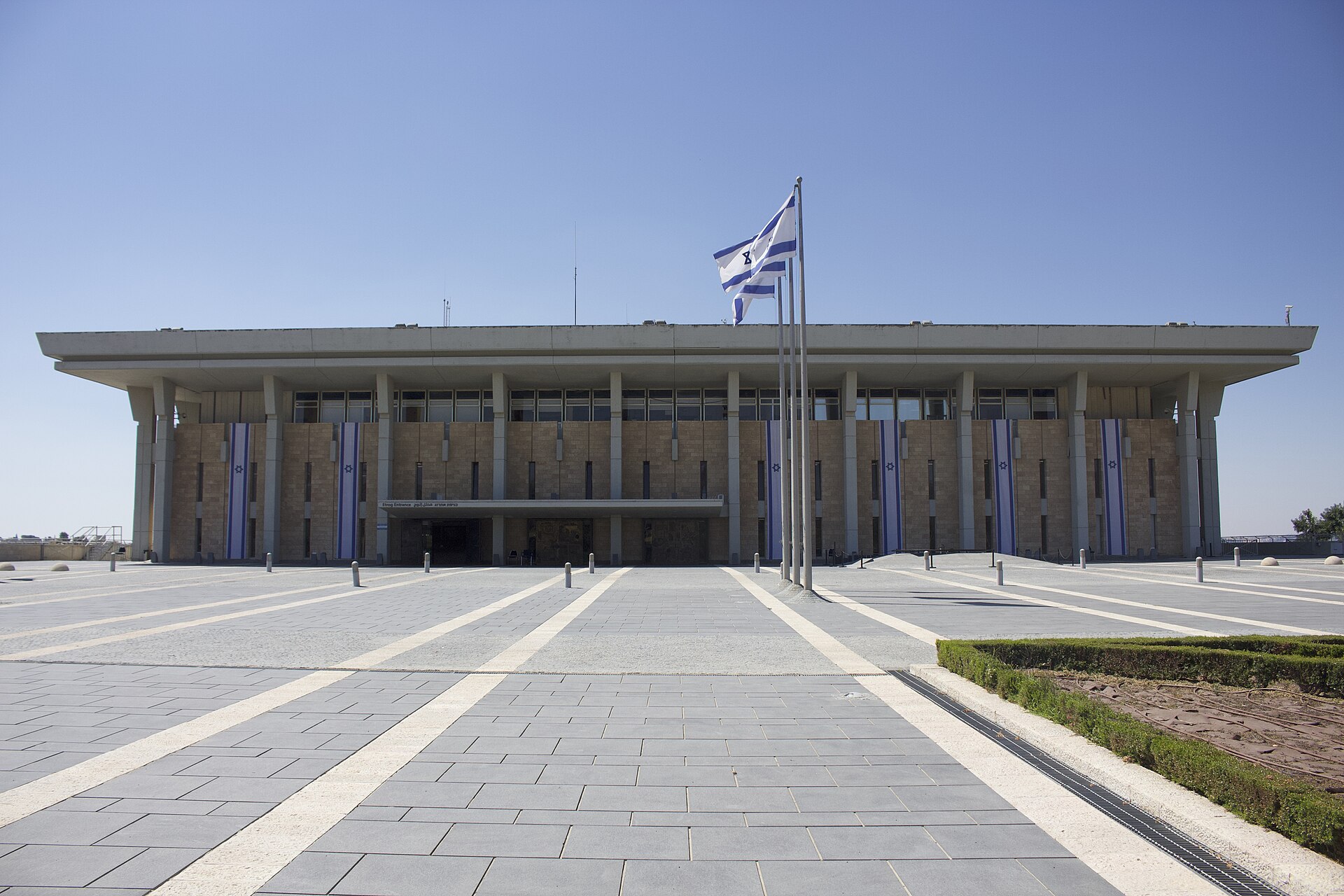
Israel has entered a political stalemate after nearly 90 percent of ballots were counted in Tuesday’s general election. The Israeli Central Elections Committee reported that more than five million votes had been tallied by 9pm local time on Wednesday, yet no political bloc has secured the 61 seats required to form a government in the 120-member Knesset.
Prime Minister Benjamin Netanyahu’s right-wing alliance is projected to win 53 seats, maintaining its position as the largest faction. However, this total falls eight seats short of a majority. The opposition bloc, led by former military chief Gadi Eisenkot, is expected to secure 48 seats. The remaining seats are distributed among smaller parties, including a record-breaking showing by Arab-led political groups.
Record Arab Party Representation
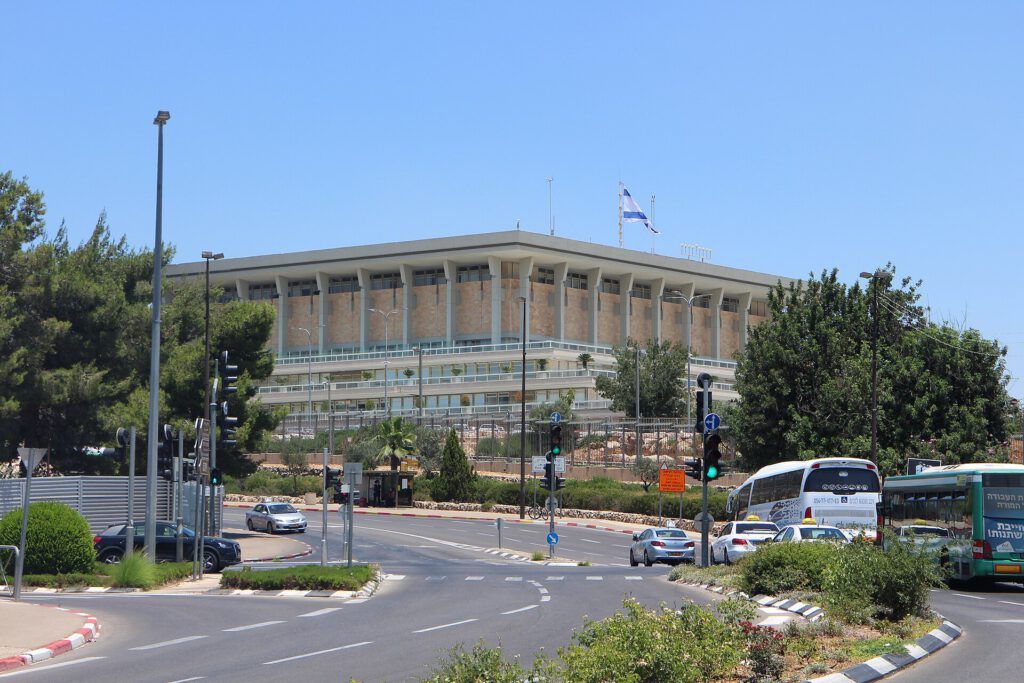
Projections indicate that Arab parties, specifically the Joint List and Ra’am, could hold a combined 19 seats. This marks a significant increase in parliamentary representation for Arab citizens, who have historically held fewer seats. The Joint List stated that high voter turnout among Arab communities played a decisive role in preventing Netanyahu’s coalition from achieving a majority.
Yousef Jabareen, leader of the Joint List, said the alliance rejected the current government’s policies of home demolitions and racism. He added that while the bloc could support an anti-Netanyahu government from outside the cabinet, it would not join a coalition led by his political rivals. The Joint List pledged to work toward removing Netanyahu from power and preventing his return.
Netanyahu’s Likud party responded with severe accusations, claiming the election was stolen by Arab parties. In a statement, Likud alleged that Arab groups used bribery, threats, and prohibited software to mobilize voters. The party said it was transferring hundreds of testimonies and pieces of evidence to the police, the Shin Bet, and the Central Elections Committee.
Caretaker Status and Coalition Challenges
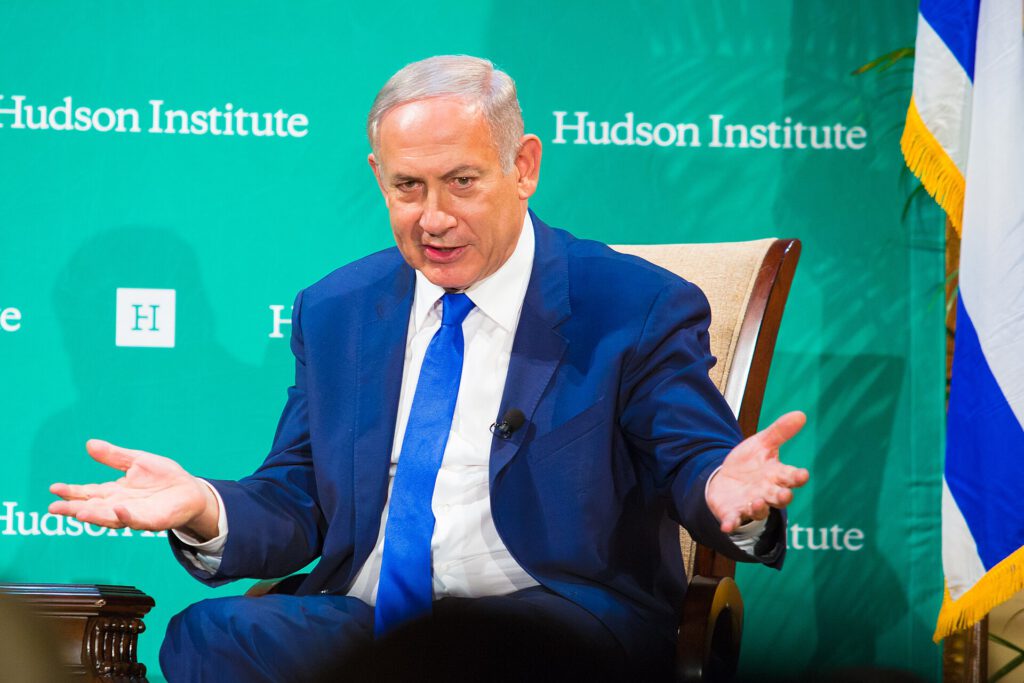
Netanyahu will remain as caretaker prime minister until a new administration is formed. President Isaac Herzog is scheduled to begin consultations with party leaders next week, once the official results are released. Herzog has urged all parties to avoid another election, which would further delay government formation.
Coalition building is the standard process in Israel, as no party has ever won an outright majority in the country’s history. Analysts predict that Netanyahu will attempt to form a unity government that might include Eisenkot, though such an outcome is uncertain. Eisenkot has ruled out forming a minority government with Arab-led parties, and Netanyahu has also rejected this prospect.
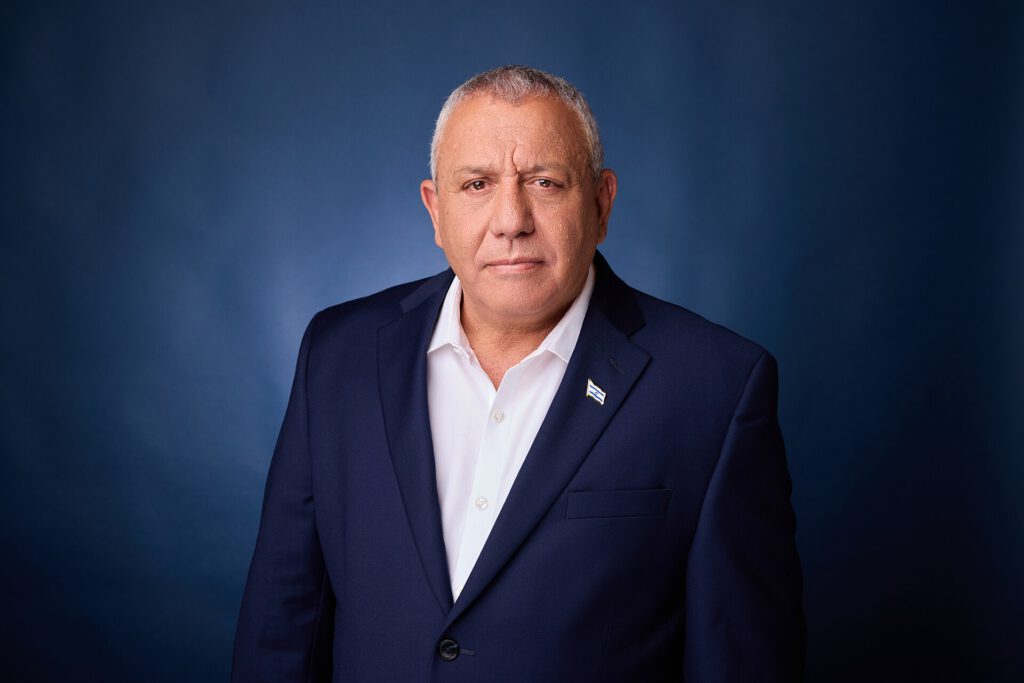
Eisenkot posted on X that his alliance is focused on bringing change to Israel and establishing a Zionist mobilization government. He described the current bloc as being at a low point after two decades of leadership. The election was widely viewed as a referendum on Netanyahu’s premiership following the October 7, 2023, attacks and the subsequent war in Gaza.
Final results could be released as early as Thursday evening. More than 500,000 special double-envelope ballots remain to be counted. These votes, cast by soldiers, diplomats, and others away from their registered polling stations, have the potential to alter the final seat distribution. The outcome will determine whether Netanyahu can continue his tenure or if a new political configuration emerges.
Source: Al Jazeera
