



Microsoft has provided its first direct dollar figure for Azure revenue, reporting $33.2 billion for the quarter ending in September. This disclosure marks a shift from the company’s previous practice of sharing only growth percentages or vague milestones. The figure represents a 48% increase compared to the same period last year.
Cloud Market Comparison
The specific revenue number allows investors to compare Microsoft’s cloud performance directly with rivals Amazon Web Services and Google Cloud. Alphabet, which reported earnings on the same day, stated that Google Cloud generated $30.7 billion in the same quarter. This places Azure slightly ahead in total revenue. However, Google Cloud, which includes Workspace subscriptions, grew at a faster rate, roughly doubling its revenue from a year earlier.

Amazon Web Services remains the largest cloud provider overall. Amazon is scheduled to report its earnings on Thursday. Analysts expect continued growth for AWS, but the introduction of exact dollar figures for all three major providers intensifies the competitive landscape.
Financial Performance and Segments
Azure is now Microsoft’s largest and fastest-growing product line. It accounted for approximately 36% of the company’s total quarterly revenue of $92.3 billion. The $33.2 billion figure exceeded analyst expectations by about $850 million. The 48% growth rate also surpassed the 44% to 45% range forecast by Microsoft CFO Amy Hood during the July earnings call.

The cloud business now falls under a new segment called Agents and Infra. Microsoft reorganized its reporting structure this quarter, moving away from its previous three-segment model. The Agents and Infra segment groups Azure with Microsoft 365’s cloud business. This combined segment generated $76.8 billion in revenue, up 25% from the previous year.
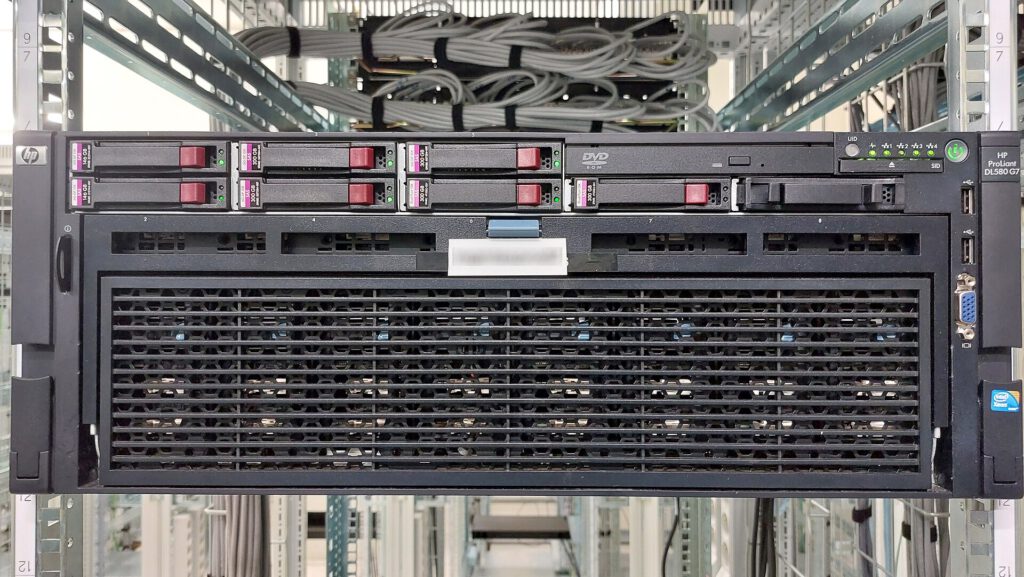
Businesses use Azure to rent computing power for running applications, software as a service, and building artificial intelligence models. The strong performance highlights the ongoing demand for cloud infrastructure and AI capabilities in the enterprise market.
Source: TechCrunch
