



Most Food and Drug Administration scientific staff members opposed a new policy from the Department of Health and Human Services that would loosen restrictions on unproven peptide drugs, according to six people familiar with the policy’s development. The pushback came despite the policy being driven almost entirely by HHS and Health Secretary Robert F Kennedy Jr., who has publicly expressed support for these substances.
Internal Conflict Over Peptide Access
The document, posted online on Wednesday by Kennedy’s department, outlines a plan to give people in the United States easier access to injectable peptides. These chemicals are promoted within the wellness industry for purposes such as building muscle, healing injuries, and boosting energy. The policy directs the FDA not to take action against specialty pharmacies that sell a half-dozen specific peptides, including BPC-157, TB-500, and KPV.
Under current FDA rules, these chemicals would be considered illegal drugs because they have not undergone the agency’s rigorous review process for safety and effectiveness. The FDA has previously warned Americans about the safety risks of unproven peptides, adding more than a dozen substances to its list of compounds that should not be compounded due to risks of allergic reactions, kidney damage, and tumor growth.
According to the people familiar with the matter, the effort faced overwhelming pushback among FDA drug staffers. These employees warned that the policy could undermine the agency’s longstanding mission of keeping unproven health products off the US market. The staff had limited input in drafting the initial policy, and decisions over compounding have long rested with the FDA rather than HHS.
Compromise on Safety Standards
The new document represents a step back from HHS’s original plans. HHS officials initially wanted the FDA to draft an official regulation that would add BPC-157 and other peptides to a list of drug substances deemed safe for use by compounding pharmacies. FDA officials warned that their scientific staffers had major safety concerns and would not support a regulation deeming them safe.
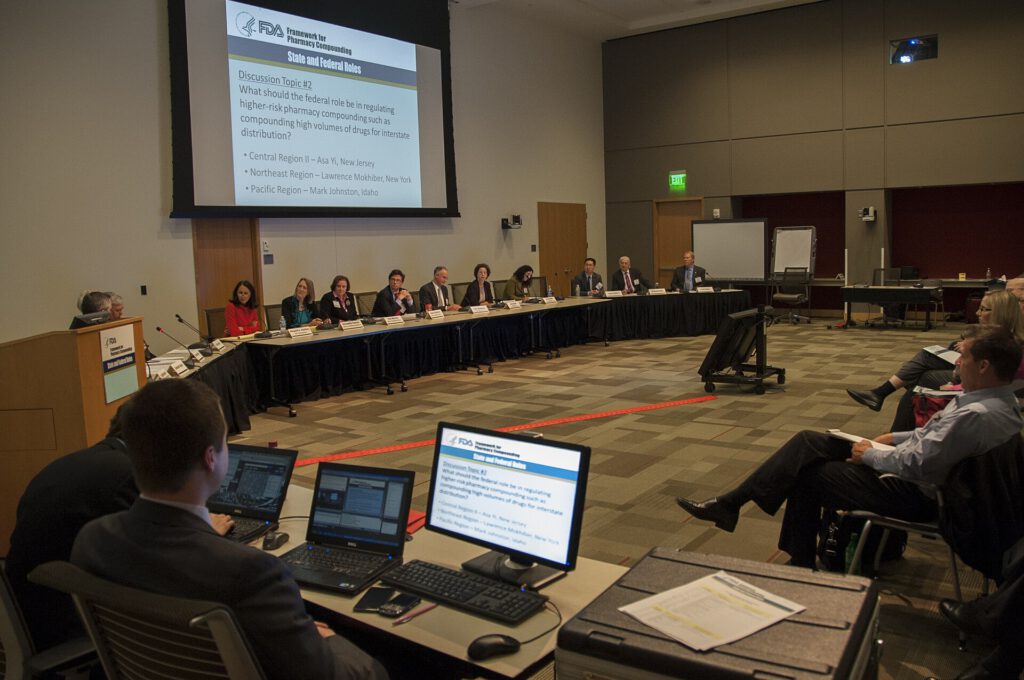
Consequently, HHS moved to a different approach that directs the FDA not to enforce its rules against pharmacies that compound the substances. This strategy avoids a direct confrontation with FDA staffers while still achieving the goal of increased access. FDA staffers ultimately provided technical assistance in drafting the HHS plan, including guardrails intended to improve safety.
These safety measures include requiring pharmacies to use peptide ingredients from FDA-registered factories. Compounders will also be directed to collect information on side effects for safety analysis and verify the chemical identity of peptides. Kennedy has argued that US compounding pharmacies must be allowed to sell peptides because Americans are turning to gray market products imported from China and other countries.
Some peptides occur naturally in the human body, where they trigger hormones needed for growth, metabolism, and healing. Drug companies have brought several to market as medications, including mainstay treatments for diabetes and weight loss. However, the chemicals subject to the new policy have not been approved as safe and effective by the FDA. Kennedy has called himself a big fan of peptides and recently described using BPC-157 to treat a muscle injury.
The issue of compounding safety became a greater focus for the FDA after a deadly outbreak of fungal meningitis in 2012 was linked to contaminated injections from a Massachusetts compounding pharmacy. Once a niche business, compounding has grown into a multibillion-dollar industry, providing customized medications to doctors, clinics, and hospitals. Federal law technically gives HHS authority over essentially all drug regulations, which are then delegated to the FDA, but it is extremely rare for HHS to take the lead in drafting policies over the compounding industry.
Source: The Guardian
