


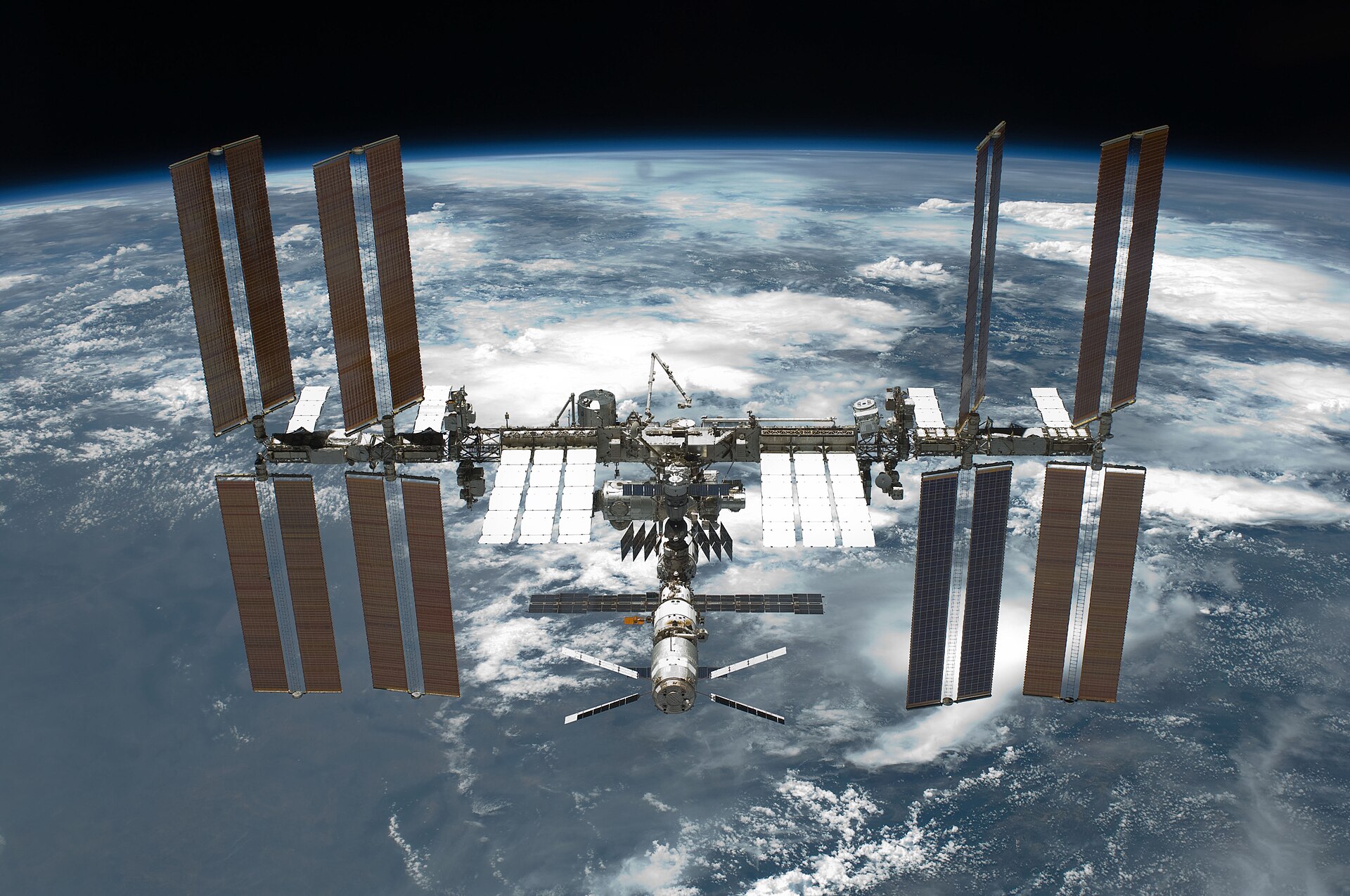
NASA astronaut Anil Menon and Canadian Space Agency astronaut Joshua Kutryk recently completed a spacewalk outside the International Space Station to install and deploy a Roll-Out Solar Array (IROSA). The operation was a critical step in maintaining the station’s power infrastructure as it continues to support long-duration missions in low Earth orbit.
Power Upgrade for the Station
The newly installed IROSA unit is designed to provide significantly more electrical power than the station’s original solar arrays. These newer arrays are lighter and more efficient, allowing the station to generate the energy needed for scientific experiments, life support systems, and future commercial activities. The deployment marks a successful execution of a complex procedure that requires precise coordination between the crew members and ground control teams.
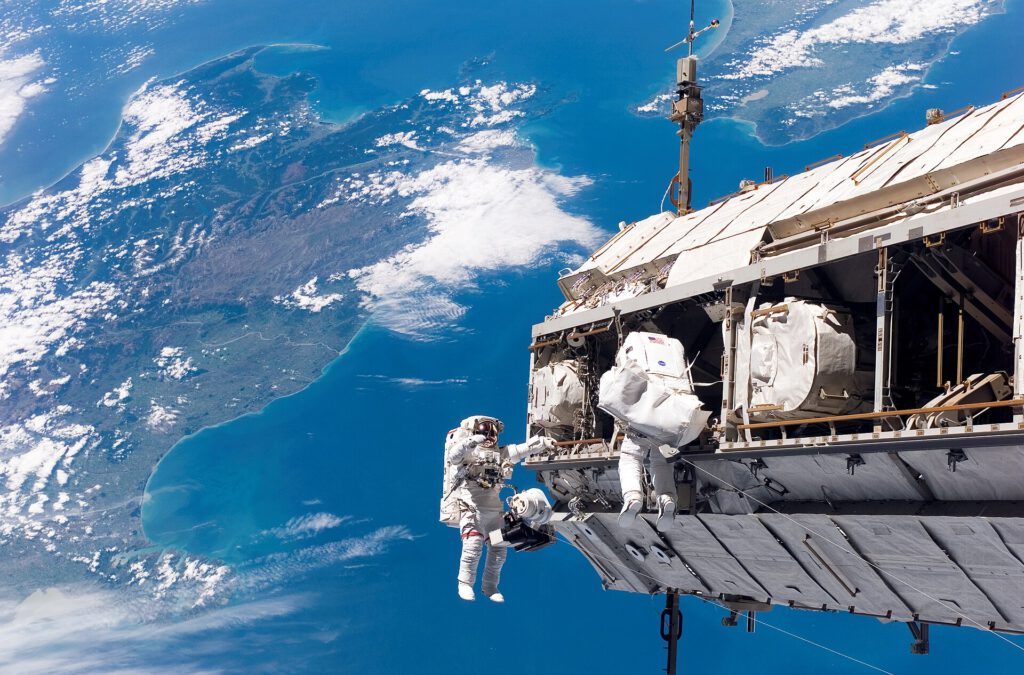
Menon and Kutryk worked outside the station to secure the array and connect it to the station’s electrical grid. The process involved unrolling the flexible solar panels and ensuring they were properly oriented to capture sunlight. This upgrade is part of a broader effort to modernize the station’s power systems, which have been in operation for decades.
Crew Coordination and Safety
The spacewalk required careful planning and execution to ensure the safety of the two astronauts. Both crew members were tethered to the station at all times and followed a detailed checklist of tasks. The operation was broadcast live, allowing the public to watch the progress of the installation in real time. The successful completion of the task demonstrates the high level of training and preparedness of the international crew.
The IROSA deployment is one of several upgrades planned for the station to extend its operational life. The new solar arrays are expected to last for many years, providing a reliable source of power for the station’s inhabitants. The installation also highlights the collaborative nature of the International Space Station program, with astronauts from different countries working together to maintain and improve the orbital laboratory.
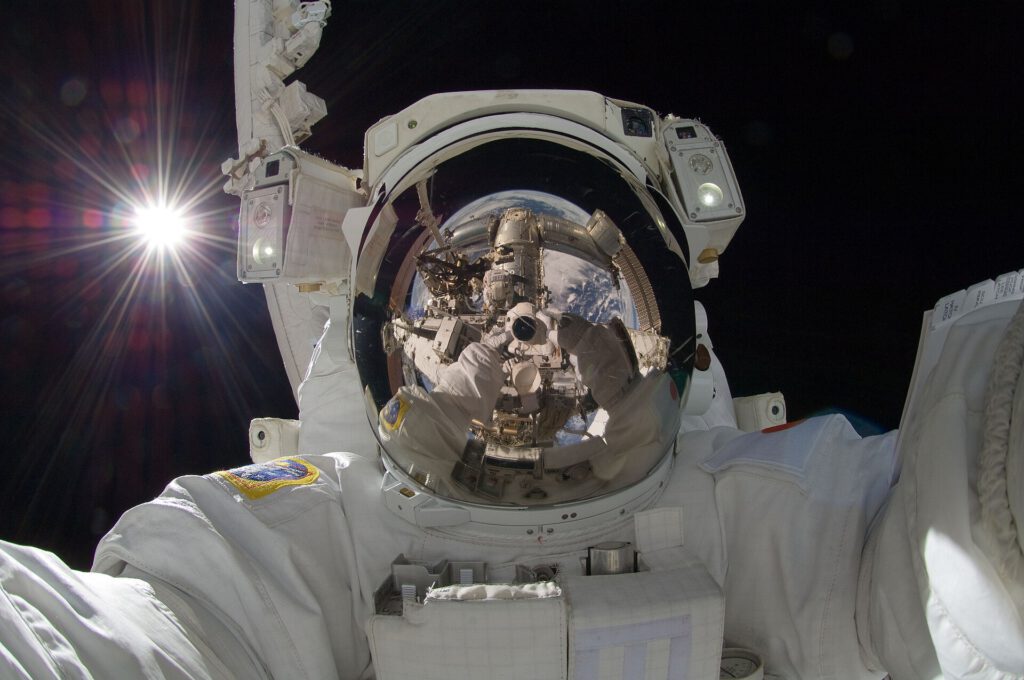
As the station approaches the end of its planned operational life, these upgrades are essential for ensuring that it can continue to serve as a platform for scientific research and technological demonstration. The successful installation of the new solar array is a testament to the ongoing commitment of NASA and its international partners to keeping the station running safely and efficiently.
Source: The Guardian
