


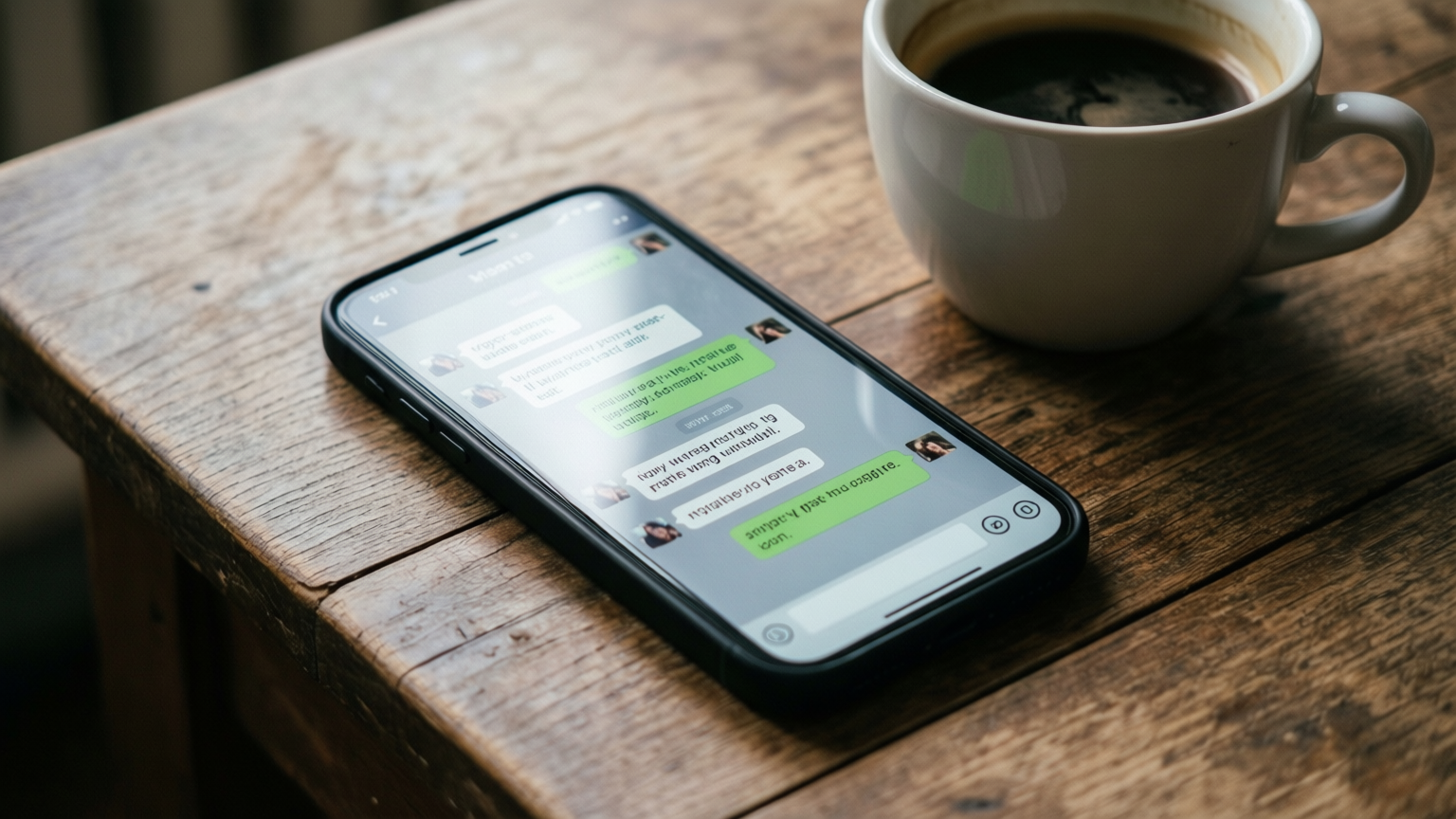
Almost 40% of British singles have turned to artificial intelligence for romantic guidance, using chatbots to craft messages, assess potential partners, and plan dates. This shift toward AI-assisted courtship is reshaping how people approach modern relationships, according to a recent survey by Match Group, the parent company of Tinder and Hinge.
The data, drawn from 3,000 British singles, highlights a significant change in how people navigate the digital dating landscape. While older generations are adopting these tools at a slower pace, the trend is dominant among younger users. Sixty-six percent of Gen Z respondents and 53% of millennials reported using AI in their dating lives.
Chatbots as Digital Wingmen
For many users, AI serves as a practical tool to overcome the anxieties of online dating. Sam, a 27-year-old from Stoke-on-Trent, uses Google Gemini to review his dating profile photos and vet incoming messages. He notes that the pressure to make a good impression on apps can be overwhelming, especially for men who often feel the digital dating scene is a “ghost town.” Rather than sending a simple greeting, he relies on AI to help him craft responses that might actually get a reply.
Other users find value in AI as a coaching tool. A single mother from New Zealand, who wished to remain anonymous, used ChatGPT to build confidence after a long hiatus from dating. She programmed the chatbot to help her feel more secure, advising her not to panic over delayed messages or rush into commitments. Similarly, a 51-year-old man from Melbourne used AI to speed up the process of finding a partner after a 20-year marriage ended. He credited the technology with helping him recognize a compatible match he might have otherwise overlooked.
The most common applications of AI dating advice include getting advice about someone a user is talking to, planning date ideas, practicing conversations, and writing dating profiles. However, the survey found that using AI to alter photos is widely rejected by singles.
The Limits of Automation
Despite the convenience, the reliance on AI introduces complex social dynamics. About a third of UK singles said they would end a date if they discovered AI had been used to write a potential partner’s messages. This hesitation stems from a desire for authentic human connection, even in a digital-first world.
Dec, a 31-year-old from London, uses ChatGPT as a sounding board for his conversations with single men. He uploads chats to the platform to identify red flags and understand the nature of the connection. While this has led to several dates, he admits to feeling that his “brain feels like it’s rotting” because he is offloading so much cognitive work to a machine. He also acknowledges that AI often acts as a “yes man,” potentially skewing his judgment.
The survey also explored the idea of autonomous AI agents handling dating on behalf of their owners. More than a quarter of respondents liked the concept of two people’s assistants talking to each other before the humans speak, even though a majority deemed the idea unacceptable. Yoel Roth, Match Group’s head of trust and safety, stated that the company is taking a “hard stance” against bot-to-bot dating, arguing that human connection cannot be achieved through robotic intermediaries.
As the technology evolves, users remain cautious about fully surrendering their romantic agency. Sam emphasizes that while AI can enhance his prospects, it cannot replace his personality. “If I replace my humour with AI I think I’ve died as a person,” he said.
Source: The Guardian
