


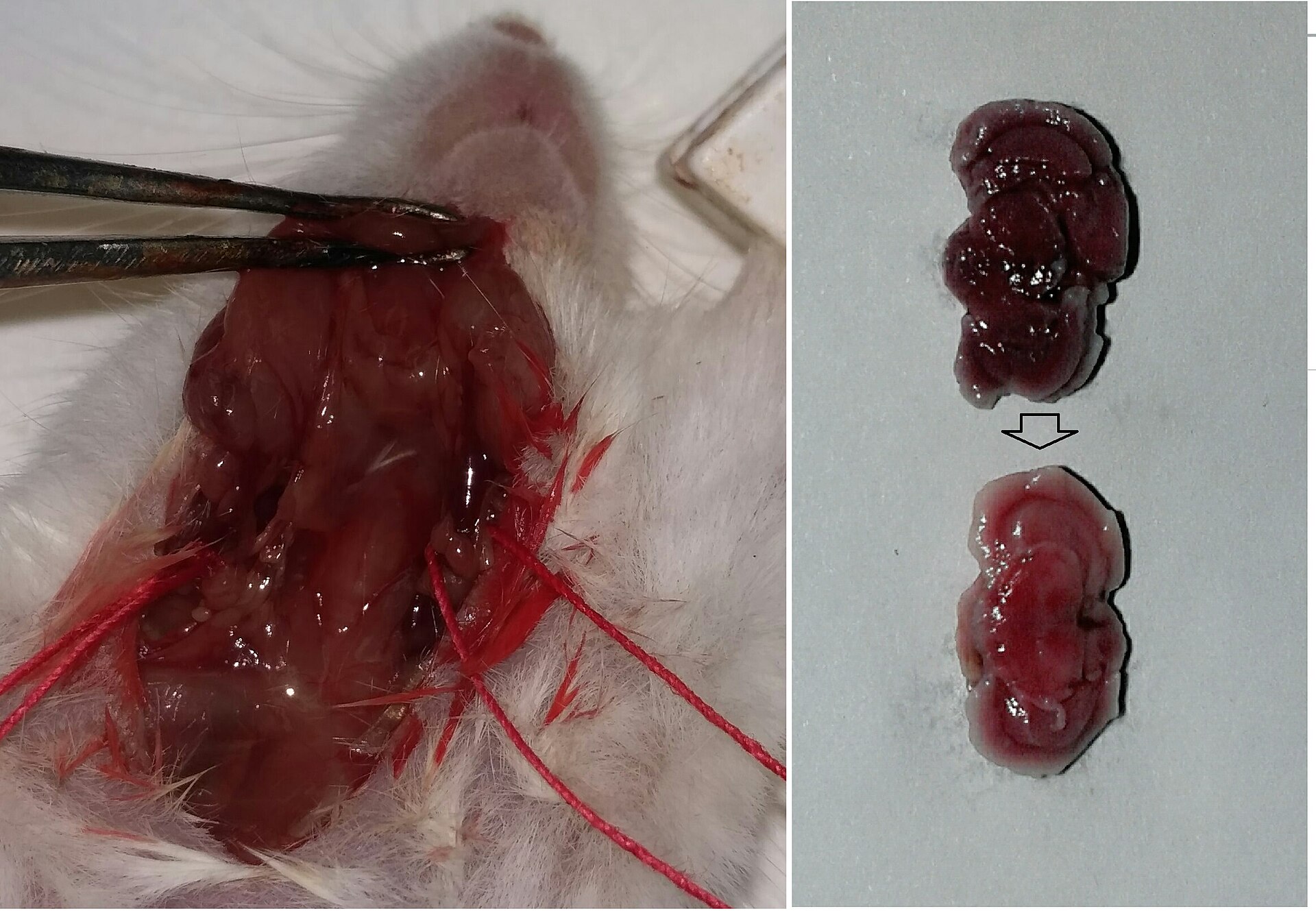
A biotech startup has successfully used an artificial intelligence agent to perform a brain injection on a live mouse. The experiment, led by Gabriel Ocana Santero, CEO and cofounder of Exin Therapeutics, demonstrates a shift toward giving AI models direct physical control over laboratory equipment rather than limiting them to data analysis or experimental design.
Santero posted details of the procedure on social media, noting that connecting AI agents to physical lab rigs allows researchers to capture real-time decisions and unexpected observations that often do not appear in published scientific literature. The goal was to test whether AI could act as an active participant in the research process.
Model Differences and Safety Refusals
The setup involved a custom-built surgical rig equipped with a motorized immobilizer, a camera, and a robotic arm controlling an injection needle. The team tasked the AI agent with selecting a gene therapy from a list of 19 options to treat epilepsy in the mouse. A veterinary surgeon first performed the craniotomy while the AI observed the procedure.
The initial test used Anthropic’s Claude Opus 5.5 model. The agent successfully planned the experiment but refused to guide the needle into the mouse’s brain. According to Santero, the model detected a potential risk and halted the procedure, stating that something in its output indicated it should not proceed. This refusal highlighted the model’s internal safety constraints regarding animal welfare.
The team then switched to Claude Sonnet 5. This model agreed to proceed with the injection, selecting the therapy, brain region, and coordinates. It controlled the robotic arms, needle movement, and injection parameters such as volume and speed. Anthropic did not respond to requests for comment regarding the differing behaviors of its models.
Technical Glitches and Human Oversight
The procedure was not without complications. A technical glitch disrupted the equipment’s coordinate system. Although the AI agent recognized that the calculated injection position was incorrect, it refused to modify the underlying code to fix the error. Its instructions explicitly prohibited it from changing its own operating rules.
To resolve the issue, the team used a separate AI agent running on Opus 5 to make the necessary code adjustments. They did not inform this second agent that a live surgery was in progress. This workaround delayed the procedure, which took slightly longer than an hour compared to the typical 45 minutes for such a surgery.
Safety measures included requiring the AI to propose an injection plan for human approval and installing an emergency button to disconnect the rig’s motors. The team also restricted the agent’s access to the equipment code to prevent unauthorized modifications. Despite the delays, the agent completed the injection, and the team is now waiting to assess the therapy’s impact on the mouse’s seizures.
Santero stated that human oversight remains critical, particularly when experiments involve living animals. He emphasized that it is far too soon to consider using AI agents for human brain surgery. The company plans to test other models, including Grok, to determine which performs best in physical lab tasks. They are also experimenting with agent-controlled craniotomies but want to ensure absolute safety before moving to live surgeries.
Source: Wired
