


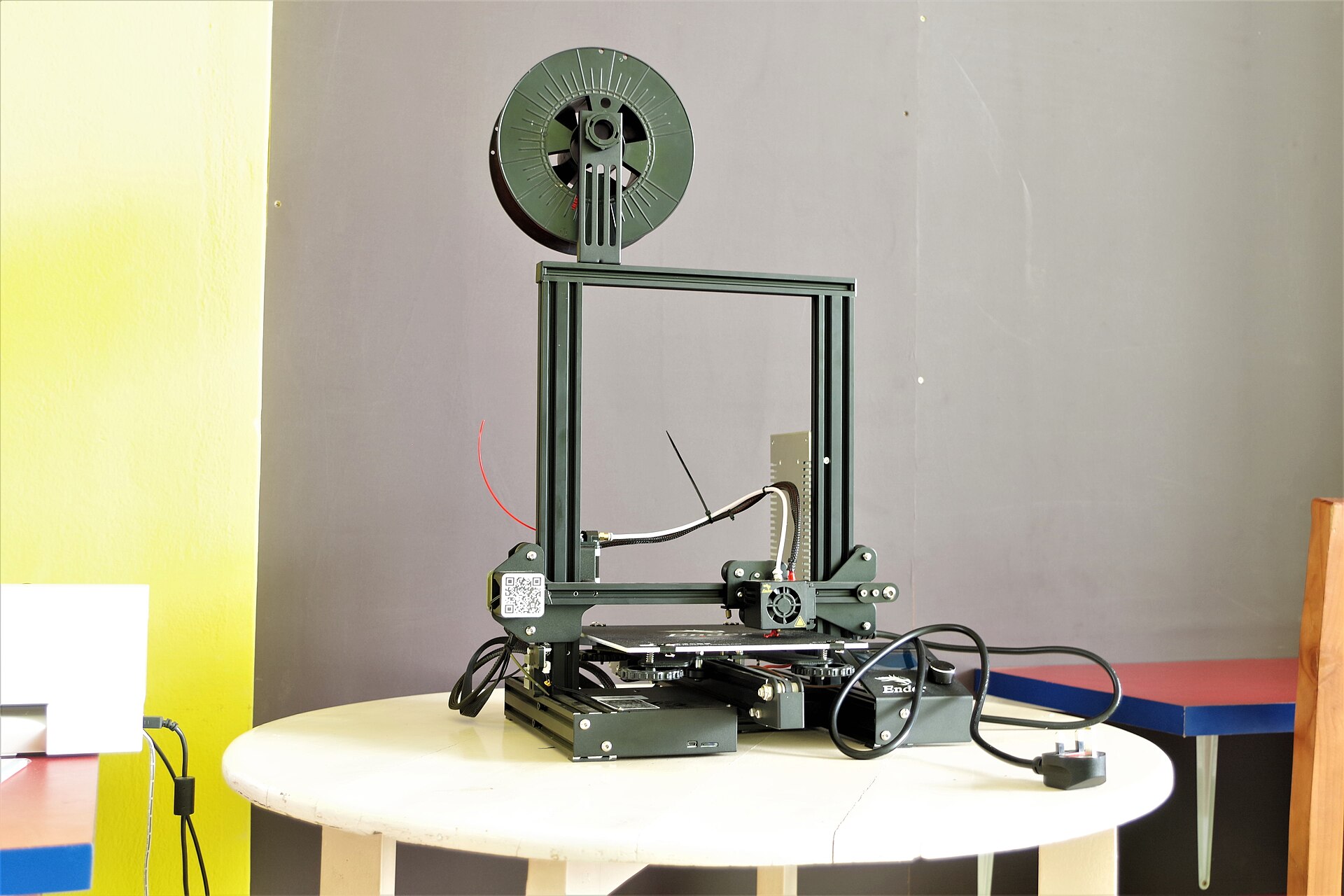
A forensic study published on October 22 in the journal Forensic Science International presents a potential solution to the problem of untraceable 3D-printed firearms. Researchers from Curtin University in Perth, Australia, have developed a method to analyze 3D-printed parts made from polylactic acid (PLA) and match them to their original filament product. The team correctly identified 26 out of 28 PLA samples, creating a pathway for law enforcement to link seized weapons to specific manufacturing sources.
Thermal Analysis Links Printed Objects to Filament
3D-printed firearms, often referred to as ghost guns, have become a significant global concern because they lack serial numbers and can be easily manufactured and disposed of. PLA, a common biodegradable plastic used in these prints, can be composted, making physical evidence difficult to track. Traditional firearm investigations rely on serial numbers and licensed distributor networks, which do not apply to these homemade weapons.
The research, led by Dr. Georgina Sauzier and forensics experts from ChemCentre, utilizes differential scanning calorimetry (DSC). This thermoanalytical technique heats and cools a sample while measuring heat flow. The process creates a graph of thermal properties that reflects how the material behaves under temperature changes. By comparing the thermal signature of a printed object with its unprinted filament, researchers can establish a direct association between the two.
PLA is particularly suitable for this method because of its semi-crystalline molecular structure. This structure provides clear temperature transition points as the crystalline components break down and rearrange during the printing process. Other common 3D printing materials, such as PETG and ABS, have amorphous structures that produce very similar results with no clear identifiers, making them difficult to trace using this specific thermal approach.
Limitations and Future Testing
While the results for PLA are promising, the study acknowledges several limitations that require further investigation. The team tested only one type of printer and used small sample tiles cut with scissors. These samples were stored for a year in monitored office conditions before testing. In real-world scenarios, cooling rates vary significantly depending on the geometry of the printed object. Faster cooling on overhangs and slower cooling on infill sections could alter the physical properties, adding variables that the current model does not fully account for.
Researchers also explored Attenuated Total Reflectance-Fourier Transform Infrared spectroscopy (ATR-FTIR) to analyze ABS and PETG. This method uses infrared light to identify chemical bonds and material composition. While the team detected differences in additives within these materials, the data was not specific enough to link the printed objects back to their filament products.
The current success rate of identifying PLA samples offers a new tool for police to form clearer networks regarding the manufacturing and distribution of 3D-printed firearms. As the research matures and expands to include a broader range of materials and printing conditions, it could eventually help trace weapons back to the specific printers and filament purchases involved. This development marks a significant step in addressing the challenges posed by untraceable plastic firearms.
Source: Tom’s Hardware
