



California-based startup Bolt Graphics has successfully powered on the first silicon for its Zeus GPU project. The company announced in mid-October that its 12nm test chip, manufactured by TSMC, ran without issues when switched on. This milestone marks the first physical realization of the Zeus architecture, though the final product is not expected to reach volume production until 2028.
Zeus GPU Test Chip Specifications
The initial test chip measures 6 square millimeters and draws 1.4 watts of power. This represents a significant reduction in energy consumption compared to the 35 watts used by the field-programmable gate array (FPGA) that Bolt previously used to prototype its design. The chip features dedicated hardware for electromagnetic simulation, a capability useful for designing radar sensors and camera lenses.
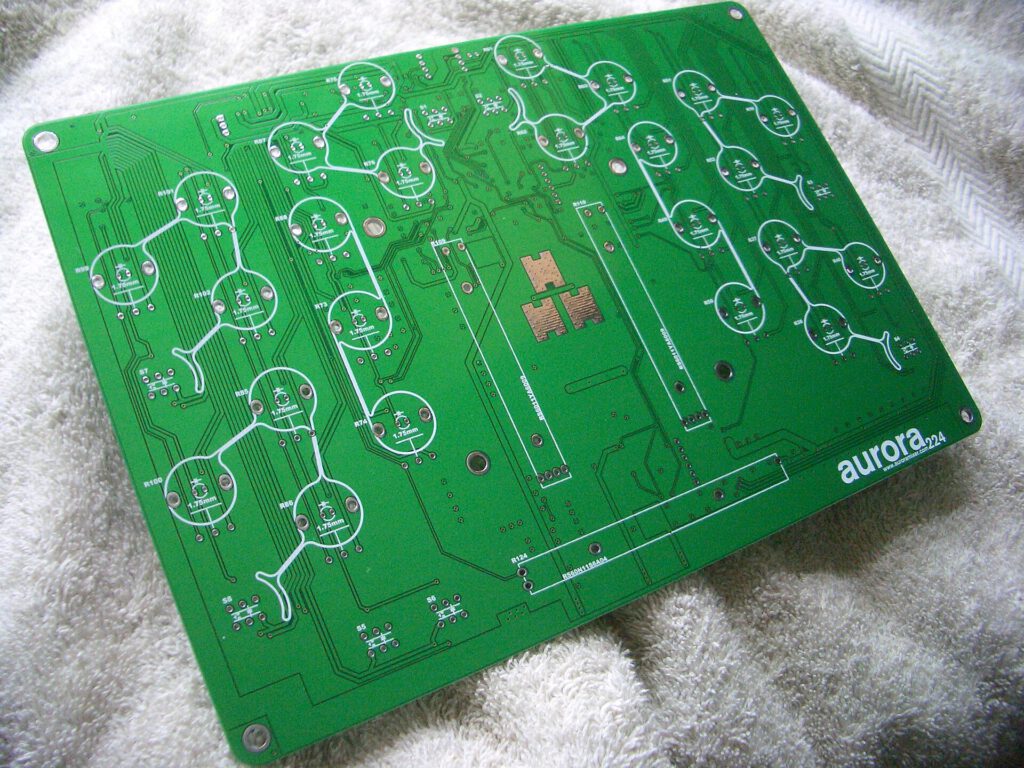
Darwesh Singh, the founder and CEO of Bolt Graphics, told HPCwire that the chip demonstrates the company’s ability to run highly complex physics algorithms accelerated in hardware. He stated that this is a feat no one has achieved before. Bolt has not released specific performance metrics for the test chip, noting only that it exceeded internal estimates.
The Zeus GPU that will eventually ship to customers is a separate chip built on TSMC’s N5P process node. Bolt selected this 2020-era process technology to avoid competing with other chipmakers for limited wafer supplies. The final card will use RISC-V processor cores paired with Bolt’s proprietary path-tracing hardware. It will also feature soldered LPDDR5X memory and DDR5 SO-DIMM slots, allowing users to expand memory up to 384GB.
Funding and Expansion Plans
Alongside the hardware milestone, Reuters reported that Bolt Graphics is attempting to raise approximately $100 million at a valuation of around $700 million. The company also opened an office in Taipei to maintain close proximity to its manufacturing partners ahead of production.

When Bolt announced the Zeus GPU in March 2025, it claimed the chip would deliver 10 times the rendering performance of existing GPUs and 300 times the speed in electromagnetic simulation. The company also stated that Zeus could provide up to 10 times the path tracing throughput of Nvidia’s RTX 5090. These claims have not been independently verified. Bolt also claimed the hardware could reduce compute costs by up to 17 times compared to current solutions.
Bolt is initially targeting studios, engineers, and scientists with the Zeus GPU. The company plans to expand into gaming and artificial intelligence markets later. This strategy places it in direct competition with established players like Nvidia and AMD in the consumer GPU space. Reuters noted that entering the gaming market requires deep software support to run thousands of existing games, a significant hurdle for new entrants.

In April, Bolt reported that more than 14,000 businesses, developers, and individual users had signed up for its early access program. The company also stated it had a product pipeline worth more than $500 million, though it did not name any specific customers.
Source: Engadget
