


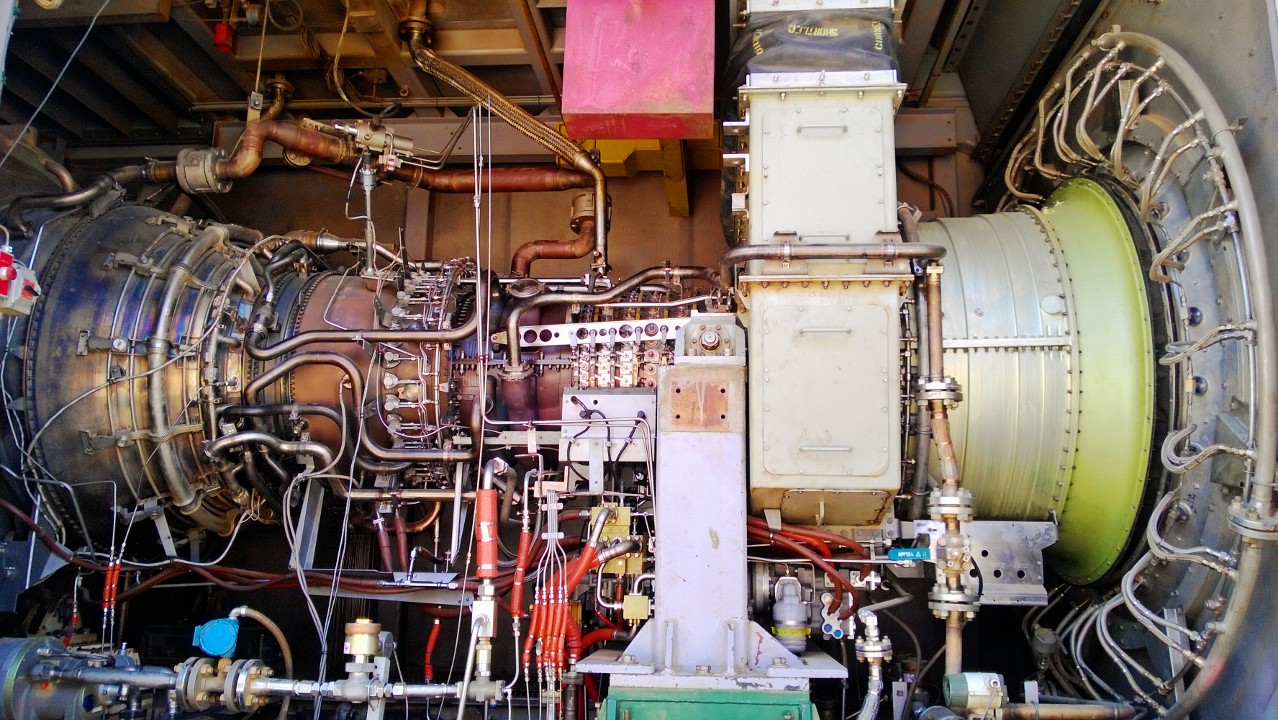
A federal judge has ruled that an NAACP lawsuit accusing xAI of operating gas turbines without proper air permits can proceed, rejecting the artificial intelligence company’s attempts to have the case thrown out. The decision addresses allegations that xAI installed and ran at least 35 combustion turbines at its Colossus data center site outside Memphis, Tennessee, without securing the necessary preconstruction or operating permits.
The Southern Environmental Law Center filed the suit on behalf of the NAACP, alleging that the company violated the Clean Air Act. xAI had argued that the turbines should be exempt from permitting requirements because they are mobile. The company also challenged the legal standing of the plaintiffs to bring the case.
Rejection of Mobile Source Claim
U.S. District Judge Debra M. Brown wrote in her decision that the plaintiffs have statutory standing under the Clean Air Act. She determined that the combustion turbines in question do not qualify as “mobile sources” under Mississippi’s State Implementation Plan. This finding directly counters xAI’s primary defense for avoiding the permitting process.
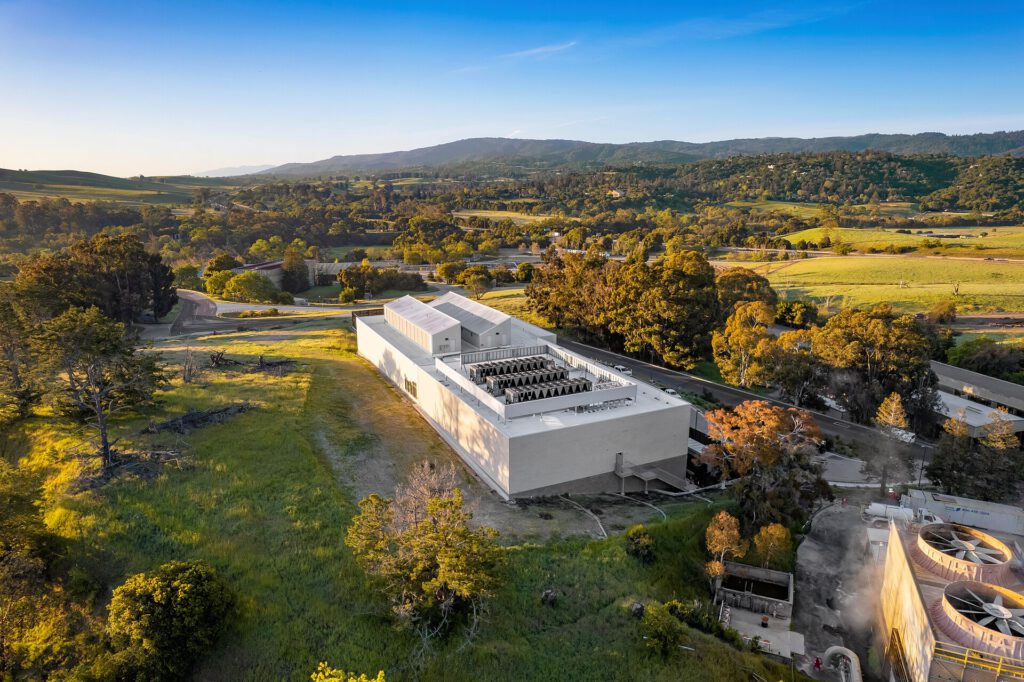
The judge also addressed constitutional arguments raised by xAI and supported by the Department of Justice, which had filed a similar motion to dismiss earlier in the month. xAI claimed that citizen suit provisions in the Clean Air Act were unconstitutional. Judge Brown rejected this, stating that plaintiffs suing on their own behalf to seek penalties for harm they suffered are not exercising federal executive power.
“Because citizen suit plaintiffs sue on their own behalf, in their own name, and seek penalties that redress harm to themselves, they are not exercising the federal government’s executive power,” Judge Brown wrote.

NAACP Response and Broader Context
Abre’ Connor, the NAACP’s director of environmental and climate justice, called the ruling a victory for accountability. She emphasized that the court’s decision affirms the right of communities to pursue justice when impacted by pollution. The NAACP has maintained that xAI cannot operate gas turbines without the required permits.
This legal development occurs as public scrutiny of data centers intensifies across the United States. Several states and local governments are considering or have implemented moratoriums on new data center construction due to concerns over energy consumption and environmental impact. New York recently passed a moratorium on new data centers, and other jurisdictions are evaluating similar measures.
The growing backlash has also influenced corporate behavior. Major technology companies including Amazon and Microsoft have announced they will stop using non-disclosure agreements in their dealings with government agencies. These shifts may impact the upcoming U.S. midterm elections as voters weigh environmental concerns against technological infrastructure needs.

The lawsuit now moves forward through the standard legal process. xAI must now respond to the NAACP’s claims and prepare for potential discovery and trial proceedings regarding the operation of its Colossus data center facilities.
Source: TechCrunch
