


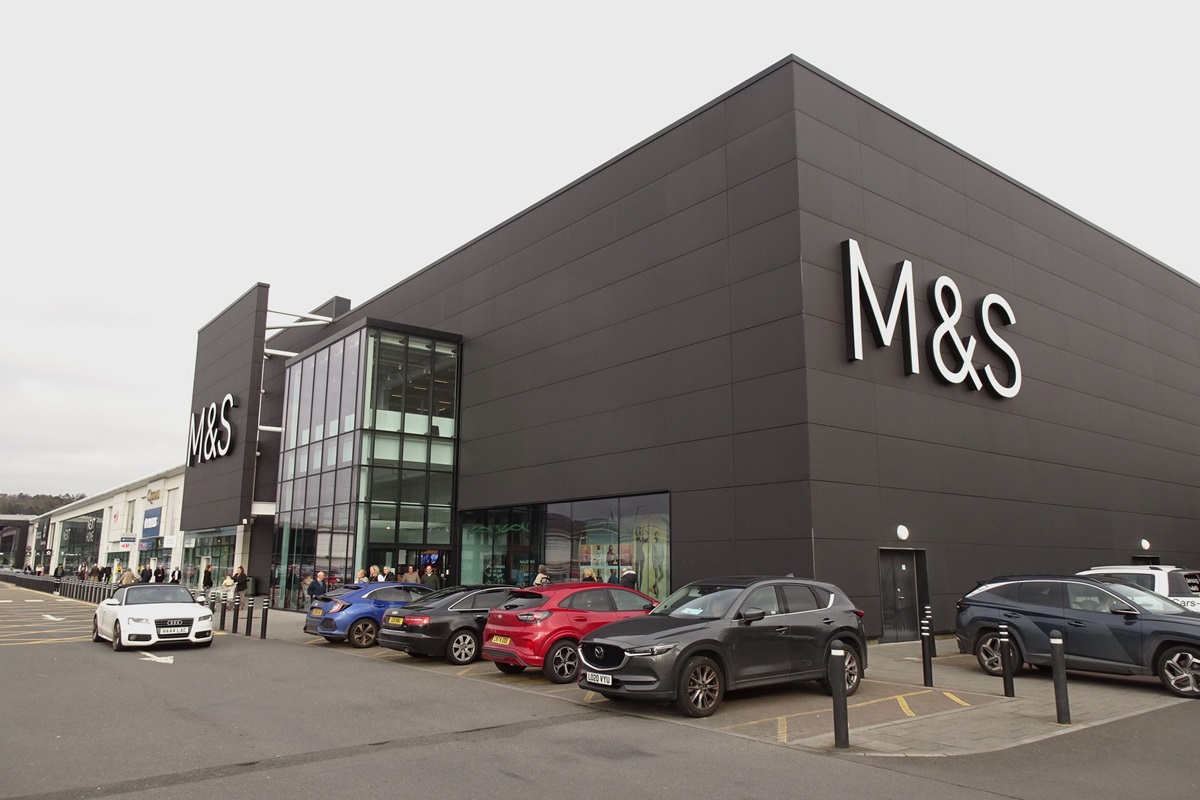
High street fashion brands are executing a strategic pivot to regain market share by adopting tactics traditionally reserved for luxury labels. Retailers including Gap, Marks & Spencer, and Topshop are moving beyond their historical reliance on trend-led affordable designs. Instead, they are focusing on high-profile collaborations, enhanced digital services, and immediate availability to engage a more discerning generation of shoppers.
Gap and M&S Embrace Luxury Collaborations
Gap has launched a new collection in partnership with designer Victoria Beckham, signaling a clear move toward elevated design aesthetics. Marks & Spencer (M&S) showcased a catwalk collection at London Fashion Week featuring celebrities such as Joan Collins and members of the Gallagher family. The retailer made the items available for immediate purchase, with half of the pieces priced under £50.
Lisa Illis, head of design at M&S, stated that the initiative aimed to make the excitement of London Fashion Week accessible to the general public. She noted that introducing more fashion-informed seasonal collections has resulted in a 16% year-on-year increase in shoppers under the age of 35.
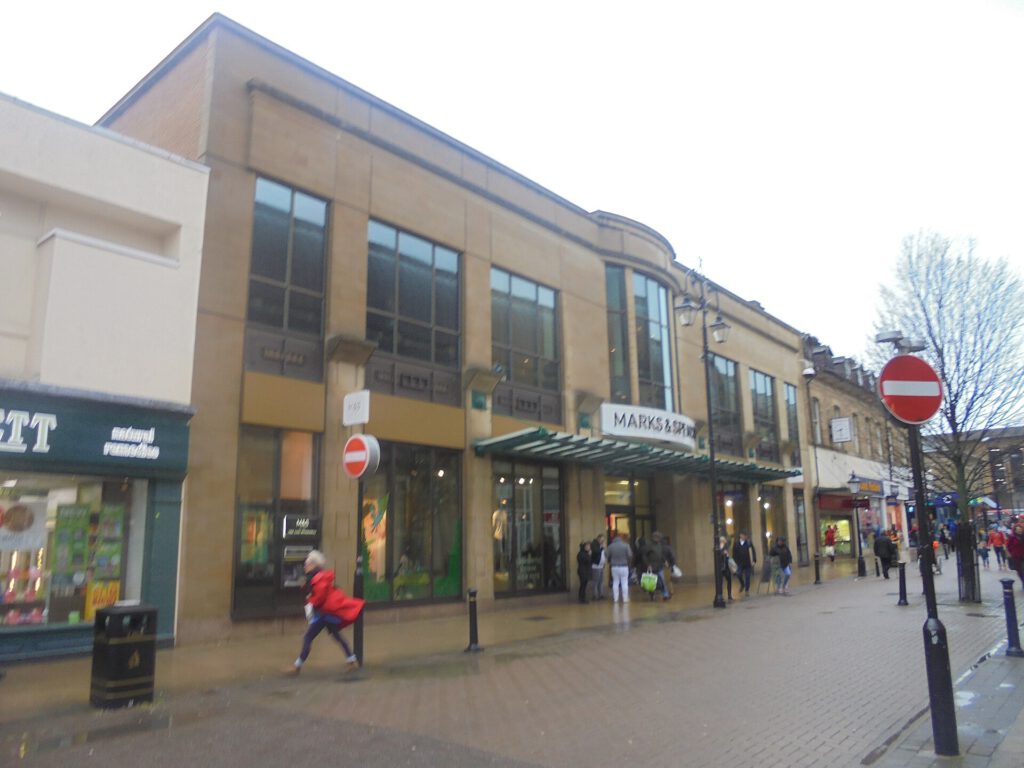
Topshop, which relaunched last year, has expanded its physical presence by securing concessions in 30 John Lewis stores and partnering with the luxury retailer Liberty. This expansion reflects a broader industry effort to elevate brand perception through association with premium retail environments.
Asos Integrates AI and Celebrity Styling
Online retailer Asos has appointed Hollywood stylist Law Roach, known for working with Zendaya, as its stylist-in-residence. Roach will influence advertising campaigns and provide styling suggestions for items across the site. Vanessa Spence, Asos executive vice-president of brand, cited research indicating that 68% of consumers want to know how to wear specific items.
To support this, Asos has introduced AI stylists, virtual try-on tools, and a Buy the Look feature that allows customers to purchase complete outfits in one transaction. Spence emphasized that these tools help customers find pieces they want to wear, thereby extending the life of each product.

The company also launched an extensive adaptive collection for disabled customers in collaboration with the consultancy Tilting the Lens. Sinéad Burke, founder of Tilting the Lens and a disability advocate, highlighted the importance of customizable pieces, such as magnetic waistcoats that can be paired with various pants. The collection is priced at £65 or less, addressing cost concerns for a demographic where 46% of disabled people in the UK are not in work.
Shifting Consumer Priorities and Sustainability
Asos has undergone significant operational changes to address a 12% sales decline last August and competition from ultra-cheap brands like Shein. A cost-cutting drive, including charges for returns, contributed to a 50% profit growth announced in March. The financial impact of a cyber-attack in early October remains unclear.

Fashion commentator Andrea Cheong observed that brands are reducing their emphasis on environmental credentials due to criticism, cost pressures, and a changing political climate. She noted that while brands aim for longevity, the materials used often differ from those in high fashion. For instance, the M&S catwalk collection and Asos Adaptive ranges utilize human-made fibers.
Cheong pointed out that many Gen Z and millennial shoppers are increasingly turning to secondhand markets. Resale app Vinted has become the third-largest retailer in the UK. She described her audience as savvy and jaded, suggesting that brands must do more to earn their trust. Despite efforts to create enduring styles, statistics indicate that a garment is worn an average of seven times before disposal.
Source: The Guardian
