


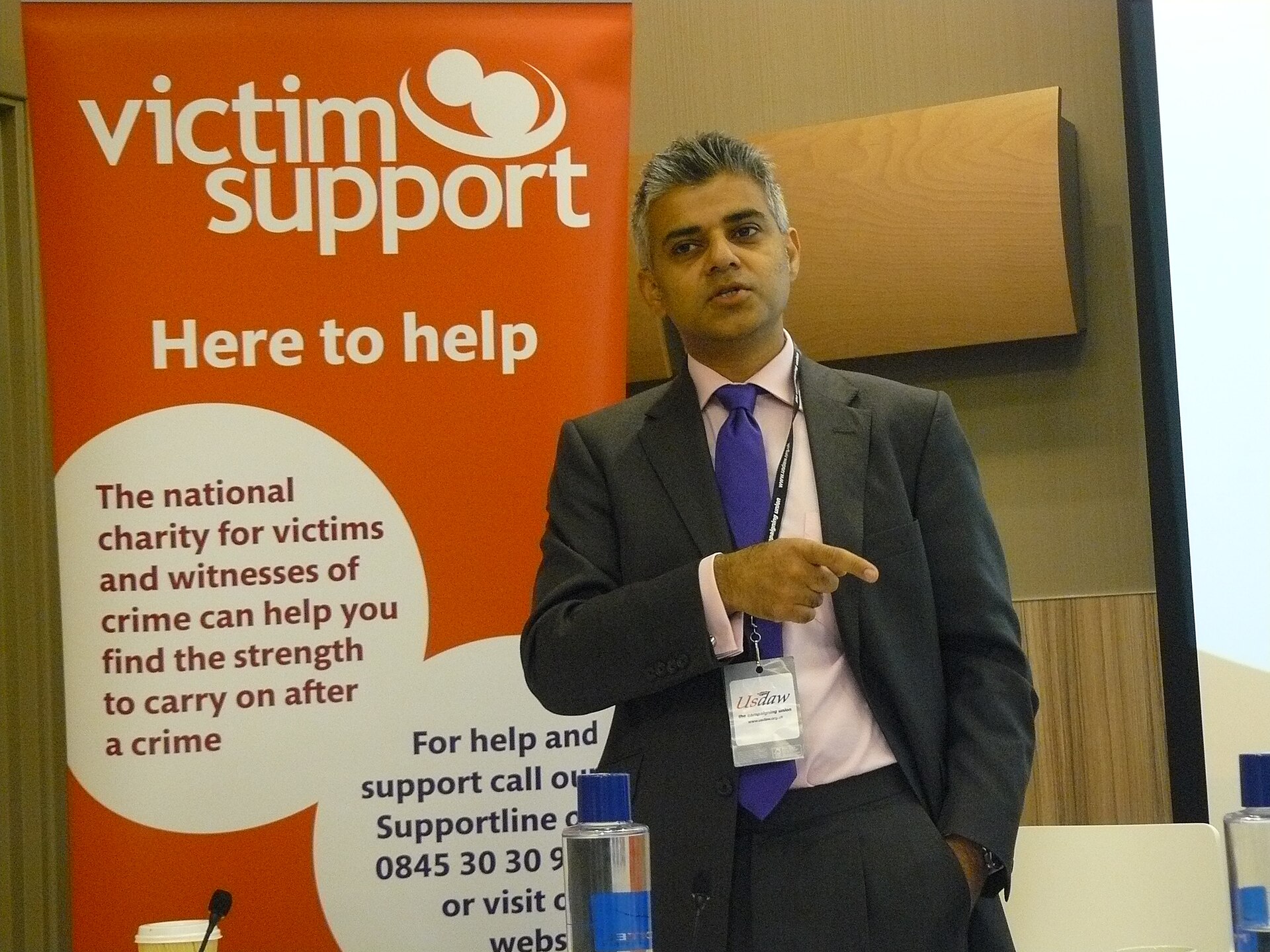
London mayor Sadiq Khan has called for a strict cap on the number of robotaxis operating on the city’s streets. His intervention comes as the UK government prepares to allow fully driverless vehicles to begin commercial operations in the capital. Khan warned that politicians have failed to grasp the rapid pace of technological change and argued that current regulations are not fit for purpose.
Concerns over congestion and jobs
Khan emphasized that London is not San Francisco, noting the capital’s unique challenges with narrow roads and a population of nearly 10 million people spread across 400 villages. He stated that a “big bang” rollout without proper regulation could lead to severe congestion and negative impacts on air quality. The mayor also raised concerns about the livelihoods of private hire and black taxi drivers who face displacement from autonomous technology.
“We’re lobbying the government for TfL, for London, to have more powers than it currently has on things like automated vehicles,” Khan said. He questioned whether there should be a limit on the total number of private hire vehicles, a power that Transport for London (TfL) currently does not hold. Under existing regulations, TfL can only give or refuse consent for autonomous vehicle use within London but cannot license or manage the services themselves.
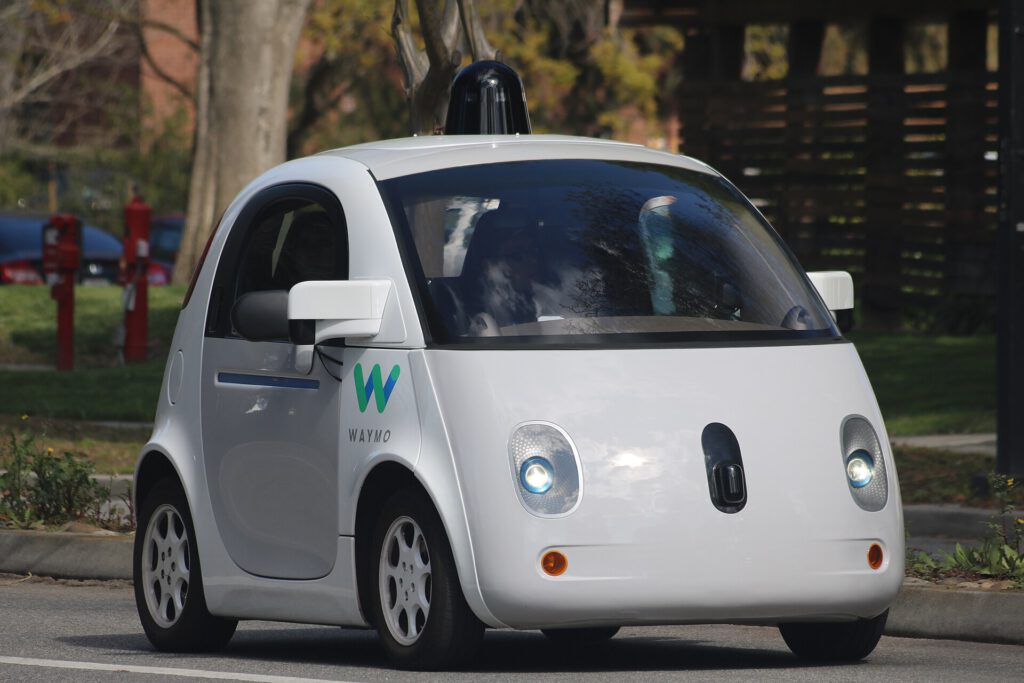
Freenow by Lyft prepares for launch
The mayor’s comments follow announcements from Freenow by Lyft, a rival to Uber, which plans to launch fully driverless Baidu robotaxis in London as early as next year. The company is operating under a new national licensing scheme for autonomous vehicles. About 24 Baidu Apollo Go vehicles are currently being tested in the London borough of Brent. These spacious Chinese-made cars feature massage seats and built-in touchscreens for passengers.
Danny O’Gorman, the UK and Ireland general manager for Freenow by Lyft, described the national framework as “great news” for investment. However, he acknowledged that regulatory details still need to be resolved. O’Gorman noted that the company is working closely with TfL to ensure the service is implemented correctly. He also highlighted operational challenges, such as navigating roadworks and dealing with other drivers who ignore speed limits.
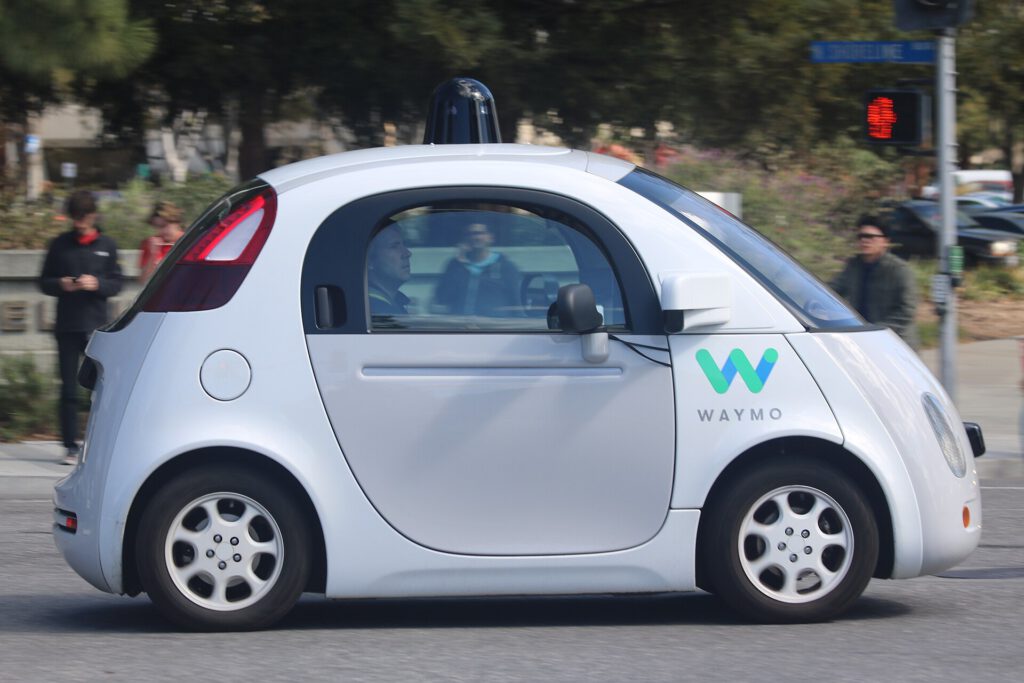
O’Gorman addressed concerns about job losses by promising a purpose-built autonomous vehicle depot in the UK. He suggested that a large proportion of displaced taxi drivers could be employed in remote operating and servicing roles at the facility. He argued that the larger risks to the black cab industry come from an aging workforce, with two-thirds of drivers over the age of 50, and the high cost of vehicles. He added that autonomous vehicles would not compete directly with black cabs in the near term and would take a long time to scale up to numbers that threaten existing jobs.
Drivers’ unions have recently held protests at the London headquarters of Wayve and Waymo. Uber has also started offering limited passenger services in Wayve’s self-driving cars, although these currently require a safety driver in the front seat. Khan stressed that incremental movement is necessary to ensure the technology is integrated safely into the city’s infrastructure.
Source: The Guardian
