


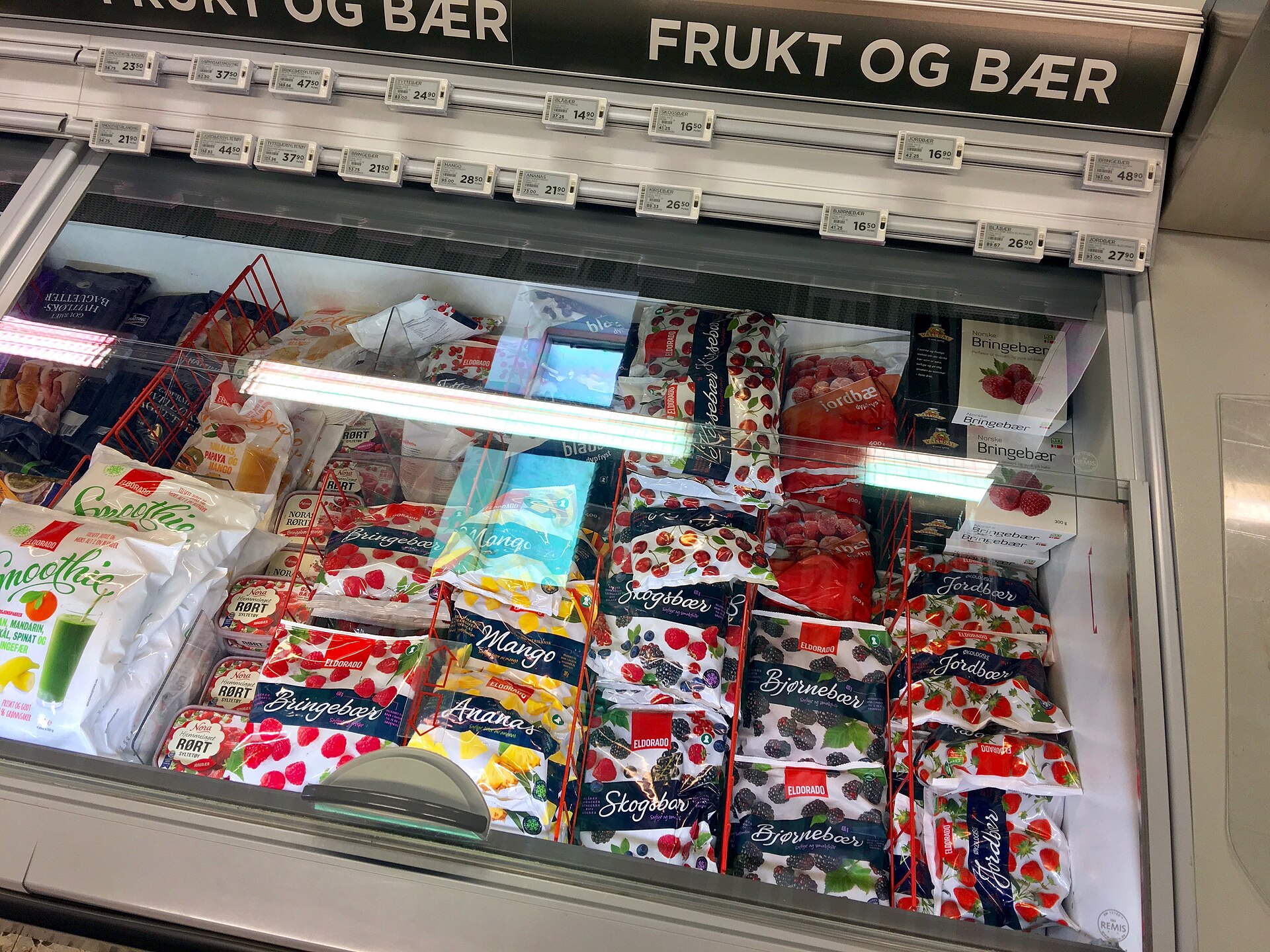
Investigations have begun in several European countries following a coordinated series of cyber-attacks that targeted supermarket refrigeration systems. The incidents, which affected at least 10 nations, have prompted warnings from European Union officials about deliberate attempts to disrupt the food supply chain.
Widespread Disruption Across Europe
Supermarket chains reported significant technical failures in Belgium, Estonia, Finland, Ireland, Italy, Luxembourg, the Netherlands, Portugal, Germany, and Sweden. The attacks caused temperatures in refrigerators and freezers to rise sharply, with some units reaching as high as 50C (122F). This surge in heat forced retailers to discard large quantities of perishable food.
The European Union has expressed serious concern over the events. These incidents occur just three weeks after a separate cyber-attack disrupted up to 700 grocery stores in France, resulting in food losses estimated in the tens of millions of euros. The security of remotely monitored devices, including refrigeration systems, has raised alarms about the potential for government-backed hybrid attacks.
Christophe Hansen, the EU food and agriculture commissioner, stated that the bloc is taking the incidents very seriously and warned of further disruption in the future. Commission spokesman Thomas Regnier emphasized that these are not isolated events. He noted that the attacks demonstrate how cyber-operations can disrupt essential services and affect citizens’ daily lives, calling for collective resilience and preparedness.
Government Responses and Industry Impact
In Italy, Prime Minister Giorgia Meloni’s government convened a meeting with intelligence chiefs. The government described the current impact as limited, noting that most of the food distribution chain possesses up-to-date security systems. However, the national cybersecurity agency identified that at least four Co-op supermarkets in Sicily and one business in Tuscany were affected. Meloni’s office stated that the affected businesses mostly relied on obsolete security systems with interfaces directly exposed to the internet and inadequate authentication mechanisms.
Belgian supermarkets were among the hardest hit, with dozens of stores reporting refrigeration failures. Federal prosecutors have opened an investigation into the matter. Mathieu Tilman, a manager at a Delhaize supermarket in Belgium, expressed shock at the scale of the damage. He described the situation as truly distressing, noting the waste of food and the emotional toll on staff.
In Ireland, 13 SuperValu stores were impacted by what the Musgrave Group, the chain’s owner, termed a cyber-incident. A spokesman confirmed that replenishment of chilled and frozen ranges was underway. In the Netherlands, a small number of corner shops faced disruption. This follows a separate attack last month that forced supermarket chain Albert Heijn to take several services offline.
Other nations reported varying degrees of impact. In Germany, the Rewe Büsken supermarket in the west experienced refrigeration issues after a cyber-attack on system provider Danfoss. The company confirmed that its systems were back in operation by Monday afternoon. In Portugal, the Mosqueteiros group linked incidents at seven Intermarché stores to a cyberattack targeting an external service provider managing refrigeration. Swedish chain ICA reported a limited number of stores experiencing refrigeration problems, while Sweden’s national cyber-security agencies monitored the situation. In Finland, the Kesko group detected irregular temperatures in a few smaller grocery stores and launched an investigation. Public broadcaster ERR reported that at least one supermarket in Estonia was attacked, with hackers raising temperatures to 50C.
Warnings for UK Retailers
The National Cyber Security Centre (NCSC) in the UK has warned British retailers to update software on fridge temperature controls. Richard Horne, the head of the NCSC, told BBC Radio 4’s Today programme that there were instances in the UK where vulnerable technology had been exploited. He clarified that the threat extends beyond supermarkets to the entire food supply chain.
Horne warned that the country is likely to suffer an AI-powered cyber-attack on critical national infrastructure within two years. The agency stated it was working through the night to alert organizations with exposed technology. The UK meat industry was also reported to be affected by the attacks that targeted European supermarket freezers.
Source: BBC
