


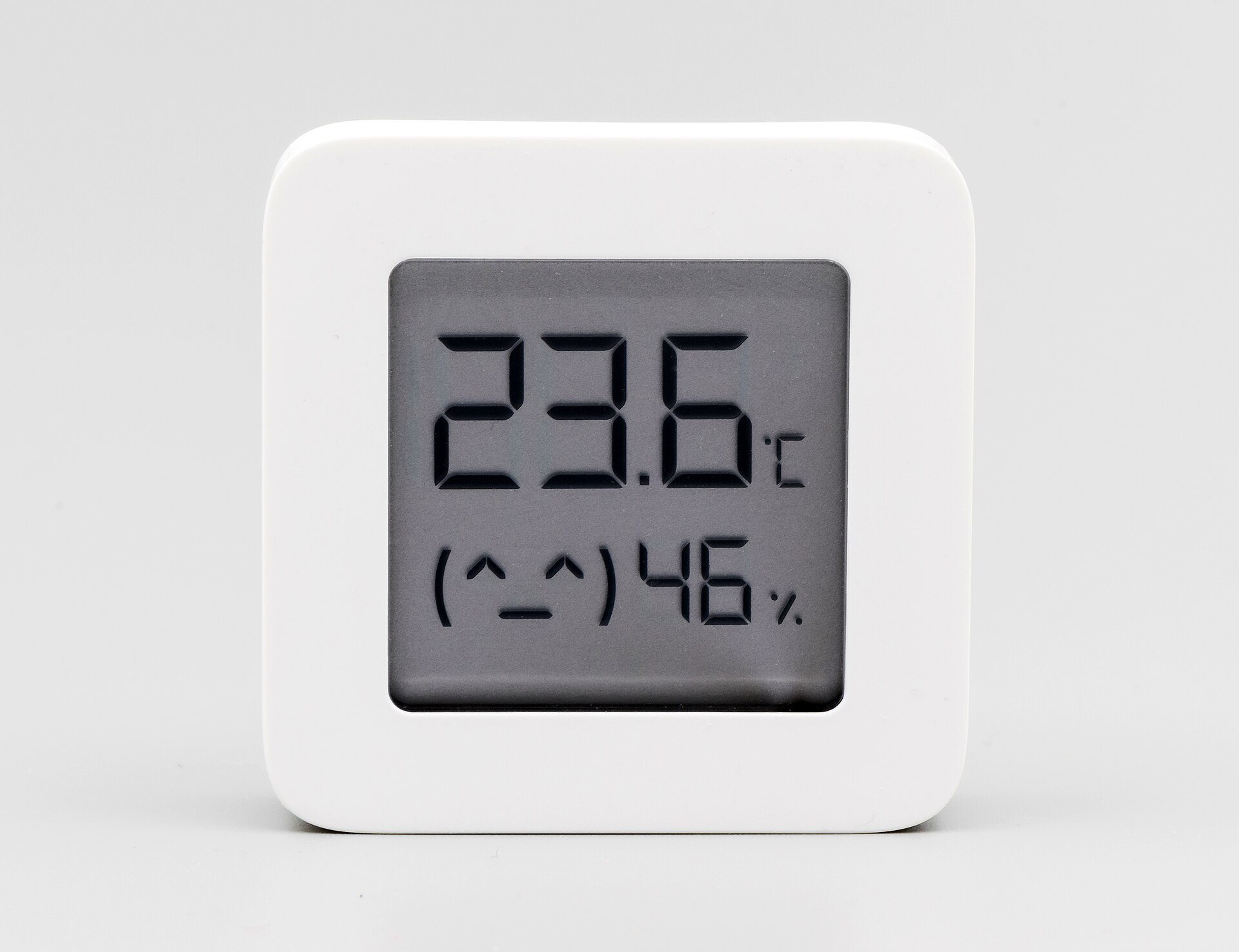
Winter often marks a dormant period for houseplants, leading many owners to neglect their greenery. As temperatures drop, central heating systems activate, significantly reducing indoor humidity. Simultaneously, cold draughts seep through windows and doors. These combined factors create a hostile environment for tropical species that thrived during the warmer months. A digital hygrometer can help identify these invisible stressors.
Measuring Invisible Conditions
A hygrometer is a compact device that records temperature and relative humidity. Many models also track daily high and low readings. The primary function is to replace guesswork with data. Instead of assuming a calathea is suffering from cold or a fern is fading due to dry air, owners can measure the actual conditions. This information allows for targeted adjustments to plant placement or care routines.
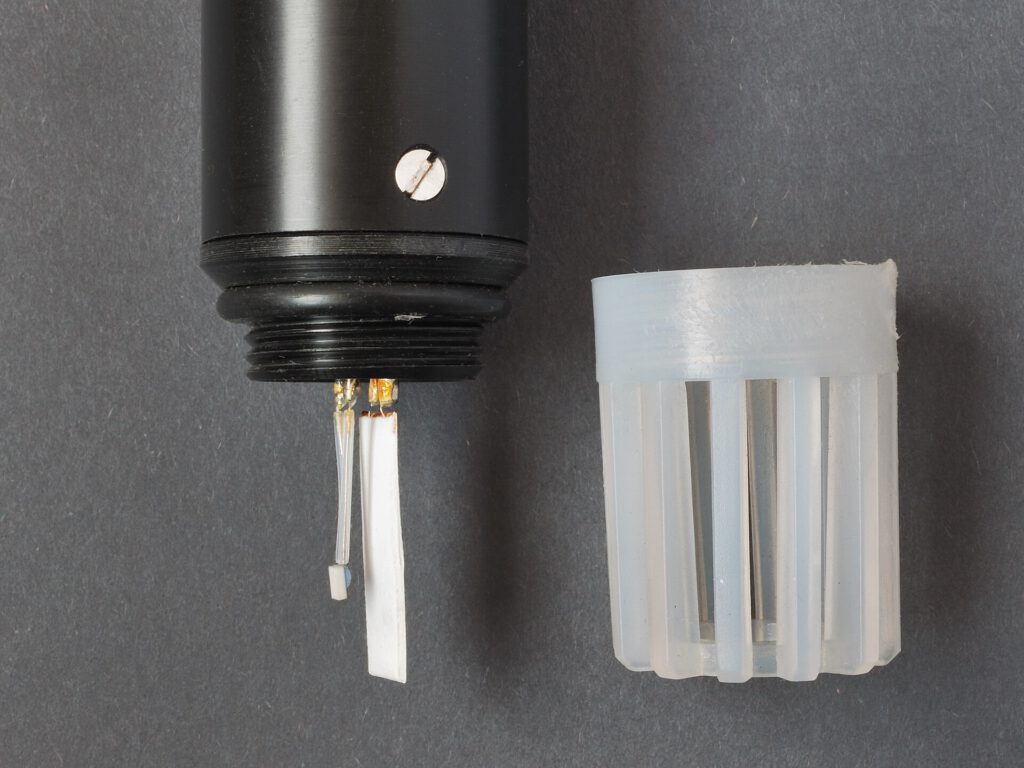
Proper placement is critical for accurate readings. The device should sit at the height of the plants being monitored, not in the center of the room. Leaving it in place for several days captures overnight dips and daytime peaks. Windowsills are particularly volatile, with temperatures swinging dramatically between direct sunlight and cold glass. Comparing these readings against the specific needs of each plant species guides where each plant should reside.
Real-World Testing Results
Testing a hygrometer during a recent cold snap revealed stark contrasts between temperature and humidity stability. While the temperature remained relatively constant, humidity levels dropped to the low 30s whenever the heating system engaged. This data confirmed visible signs of stress, such as crispy leaf edges on sensitive plants. The owner moved thirstier plants away from radiators and introduced a humidifier to restore balance.
This diagnostic approach highlights the value of objective data. The device reveals the coldest and driest spots in a home, allowing owners to optimize the environment for plant health. It serves as an easy-to-use tool for understanding the microclimate around each pot. However, constant monitoring can lead to unnecessary anxiety over minor fluctuations.
The verdict is that a hygrometer is a useful diagnostic tool during winter. It helps redress the balance between heating needs and plant requirements. Owners should use the data to make informed decisions about placement and humidity control. The goal is to keep plants happy, not to obsess over every minor change in the readings.
Source: The Guardian
