


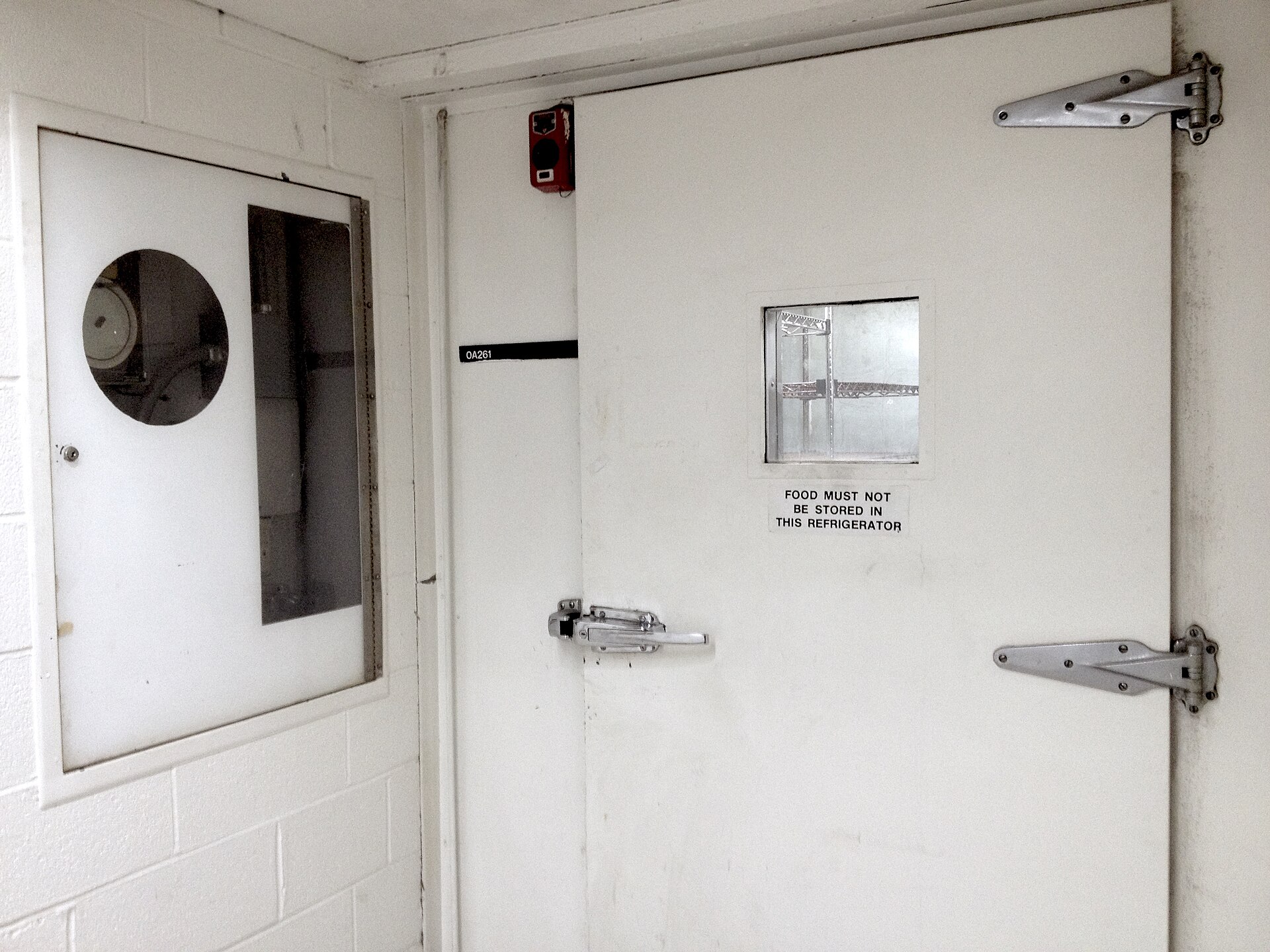
Businesses within the UK food supply chain have been affected by a coordinated cyber-attack that disrupted supermarket refrigeration units across Europe on Monday. The National Cyber Security Centre (NCSC) confirmed that it is aware of “a couple of instances where vulnerable technology had been exploited in the UK,” prompting urgent warnings for the sector.
AIMS Members Report Temperature Spikes
The British Association of Independent Meat Suppliers (AIMS) stated that several of its more than 300 members became “collateral” damage in the incident. The group reported that two members experienced unexpected defrosting of their refrigeration units. In one severe case, a cold storage unit saw its temperature rise to 100C (212F).
AIMS spokesman Tony Goodger noted that the affected devices were empty at the time, which prevented any loss of produce. However, he emphasized that the incident serves as a stark reminder for the entire food industry. “Their businesses may be seen by some as targets,” Goodger said, urging all supply chain participants to remain vigilant against such digital threats.
Wider European Impact and NCSC Response
The disruption extended well beyond the UK, with supermarkets in Ireland, Sweden, Estonia, Belgium, and the Netherlands reporting similar issues. Approximately 40 Delhaize supermarkets in Belgium and Luxembourg were affected, alongside smaller numbers of shops in other nations. Sabcobel, a Belgian manufacturer of some of the impacted refrigerators, confirmed that the units’ evaporators were switched to defrost mode, causing the temperature spikes.
Dr Richard Horne, chief executive of the NCSC, told BBC Radio Four that his team had worked through the night to alert potentially affected organizations. He stated that it was still “too early to say” who was responsible for the hacks. However, he highlighted a critical vulnerability in the technology base that society relies on. Horne noted that many firms had extended systems beyond their end-of-life, failing to upgrade them or keep them disconnected from the internet.
“That technology base we rely on as a society has not been invested on to the extent it needs to be,” Horne said. He warned that such outdated systems create vulnerabilities that are easily exploited, particularly with the aid of artificial intelligence in the hands of adversaries. He called on organizations to invest in renewal and secure their daily applications.
Food Waste and Retailer Reactions
The attacks follow a similar incident in early October that targeted hundreds of French supermarkets, spoiling fresh and frozen food estimated to be worth millions of euros. This time, many retailers had no choice but to discard spoiled food, with some reporting losses in the hundreds of thousands of euros. Mathieu Tilman, who runs a Delhaize supermarket in Belgium, described the situation as “truly distressing.” He questioned how food could be thrown away while people starve, adding that he felt like quitting his job in moments like these.
In the UK, there have been little to no signs of significant impact on retail shelves. Graham Wynn, assistant director of regulatory affairs at the British Retail Consortium, stated that retailers invest heavily in cybersecurity. He confirmed that major supermarkets, including Asda, Lidl, M&S, Sainsbury’s, and Tesco, are working with the NCSC to ensure their fridges and freezers are as secure as possible. Paul Chichester, director of operations at the NCSC, added that they are continuing to work with and monitor UK organizations to identify and close existing vulnerabilities before they can be exploited.
Source: BBC
