



Diwali, the Hindu festival of lights, arrives this year with a focus on traditional vegetarian cuisine. Chef Ravinder Bhogal has shared a selection of dishes designed to bring color and flavor to the celebration, emphasizing the natural strengths of plant-based ingredients.
The festival marks the triumph of light over darkness and is traditionally accompanied by elaborate meals. Bhogal notes that Indian cooking naturally centers plants, making it straightforward to create a feast that is both sensory and substantial. The following recipes highlight turnips, celeriac, and leafy greens as the stars of the table.
Tandoori Celeriac with Chutney
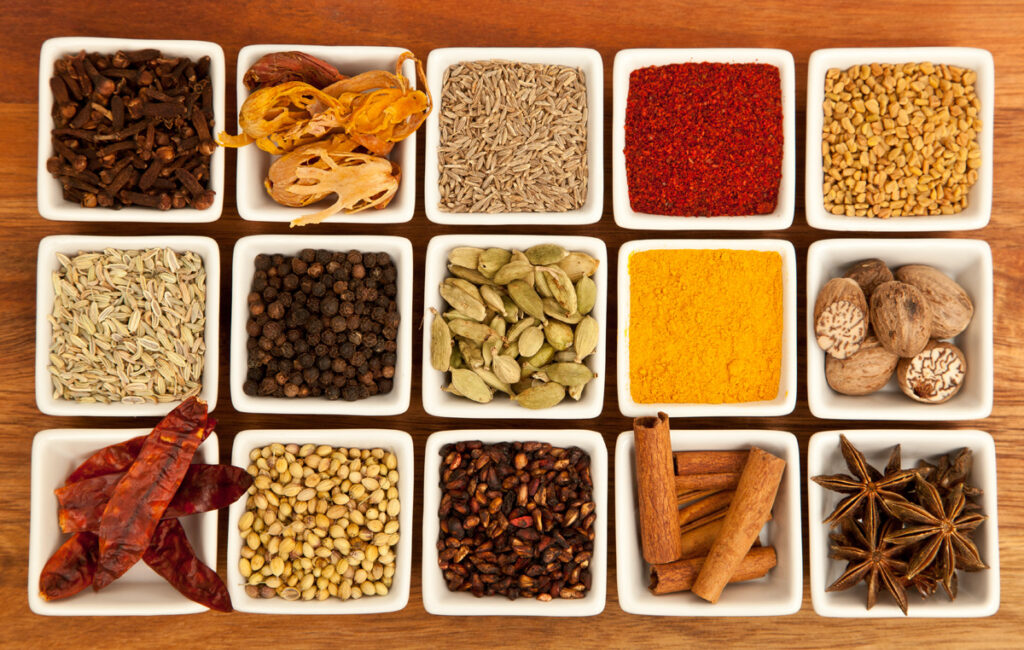
Celeriac offers a sweet, earthy flavor that holds up well against strong spices. Bhogal recommends marinating thick steaks of the root vegetable for at least four hours, or overnight, to allow the flavors to penetrate. The marinade combines Greek yogurt with garlic, ginger, green bird’s eye chillies, and a mix of spices including Kashmiri red chilli powder, cumin, cardamom, cinnamon, cloves, and saffron.
While the celeriac marinates, a fresh chutney can be prepared. This involves blending fresh coriander, mint leaves, soaked peanuts, green chillies, lime juice, sugar, and chaat masala with ice-cold water until smooth. The mixture is kept chilled until serving.
To cook, the oven is heated to 220C (200C fan). The celeriac steaks are placed on a lined baking sheet, seasoned with sea salt, and drizzled with half of the melted ghee. They roast for 15 minutes before being flipped. The remaining marinade and ghee are brushed over the top, and the vegetable cooks for another 15 to 20 minutes until charred and tender. The dish is finished with a sprinkle of chaat masala and served with lime wedges and the chutney.
Turnip Sabzi with Panch Phoran
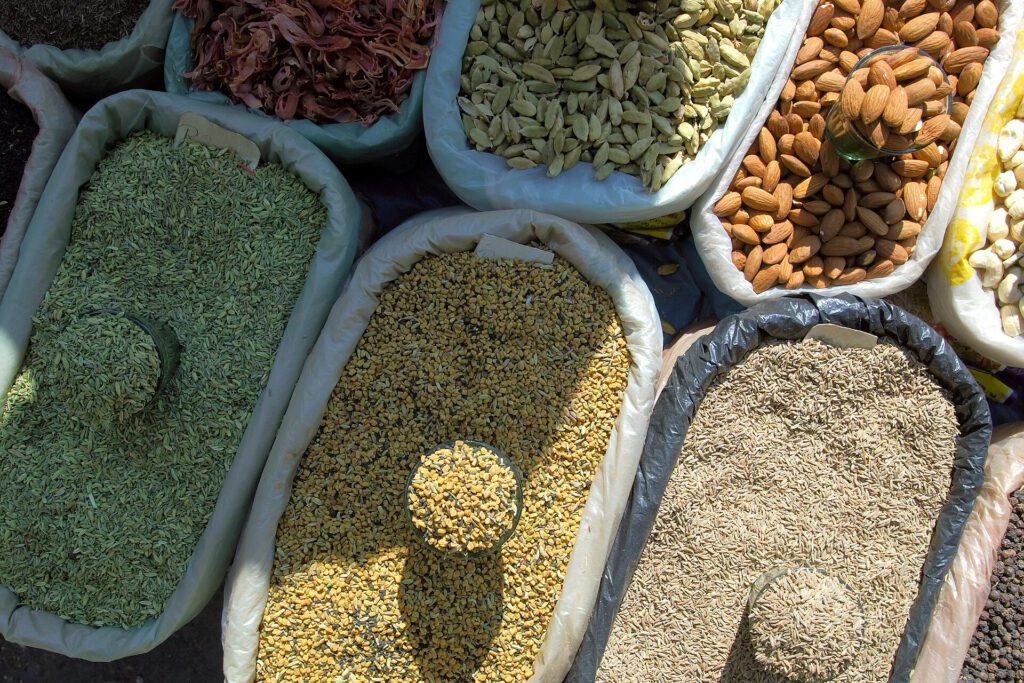
Turnips often have a plain reputation, but Bhogal suggests using spices to transform them. The key ingredient here is panch phoran, an Indian five-spice blend. If this mix is unavailable, it can be made from equal parts fennel seeds, cumin, black mustard seeds, nigella seeds, and fenugreek seeds.
The cooking process begins by melting ghee in a wide pan over low heat. The panch phoran is added until it splutters, followed by curry leaves and finely chopped red onion. The onions are sautéed slowly until caramelized. Meanwhile, a paste is made from ginger, garlic, and green chilli, which is then added to the pan and cooked until fragrant.
Tomato puree, passata, turmeric, sea salt, and light brown sugar are stirred in and cooked for six minutes to create a jammy consistency. Cubed turnips are added along with a small amount of water, stirred to coat, and covered to cook on low heat for about 15 minutes. Once tender, the dish is finished with lime juice and chopped coriander, served alongside chapati.
Kale Saag Paneer
This dish provides a hearty way to consume large amounts of greens. Bhogal suggests that while spinach and kale are used here, other greens like chard, sorrel, or collard greens can be substituted. The recipe starts by boiling cubed paneer for five minutes, then removing it. The spinach and kale are blanched in the same water for 30 seconds, refreshed in ice water, squeezed dry, and blended into a smooth puree.
In a heavy-based pan, ghee is melted over low heat. Finely chopped onion and cumin seeds are fried until the onion is caramelized. Sliced garlic, grated ginger, and chopped green chilli are added and cooked until fragrant. Passata and turmeric are stirred in and cooked for five minutes.
The green puree is folded into the pan and cooked for another five minutes. The boiled paneer is then added back in, and the mixture is seasoned with salt. The pan is covered and left to simmer on low heat for 10 minutes before serving with flatbread.
Source: The Guardian
