



Thailand has unveiled a draft five-year national plan that sets a target of at least 4 trillion baht, or roughly $118 billion, in annual tourism revenue by 2032. This goal represents a 48% increase from the 2.7 trillion baht the country earned in 2025, a figure that included domestic tourism. The plan, known as the Fourth National Tourism Development Plan, marks a distinct shift in strategy, prioritizing the economic value of each visitor over the total number of arrivals.
Revenue Targets Amid Falling Arrivals
The ambitious financial targets come as Thailand faces a decline in foreign visitor numbers. Foreign arrivals fell 7.2% to 32.9 million in 2025 and were down 4.1% through October 17 of this year. Consequently, the government has revised its 2026 forecast downward to 33 million visitors, a significant drop from the previous projection of 36.7 million. With volume stalled, the new strategy relies on increasing spending per visitor rather than attracting more people.

Achieving the 4 trillion baht target requires an annual growth rate of approximately 5.8%. The plan aims to lift Thailand into the top 30 of the World Economic Forum’s Travel & Tourism Development Index. To reach this, the government intends to raise service standards, attract higher-spending source markets, and spread tourism income to small businesses and local communities beyond major hubs.
Infrastructure Gaps and Priority Markets
The government has identified cruise and yacht tourism as high-revenue segments where Thailand currently lacks capacity. Officials noted that the country needs more cruise terminals and yacht marinas to meet demand. The Tourism Authority of Thailand (TAT) has been asked to develop an infrastructure framework to address these gaps, though the plan does not specify a budget or timeline for these projects.
Strategic focus has also shifted toward specific regional markets. Taiwan, Vietnam, Malaysia, Indonesia, and Singapore have been named as priority short-haul source markets. Notably, China, which remains Thailand’s largest source market, is excluded from this priority list. Chinese visitor numbers dropped to 4.4 million in 2025, down from 11 million in 2019.

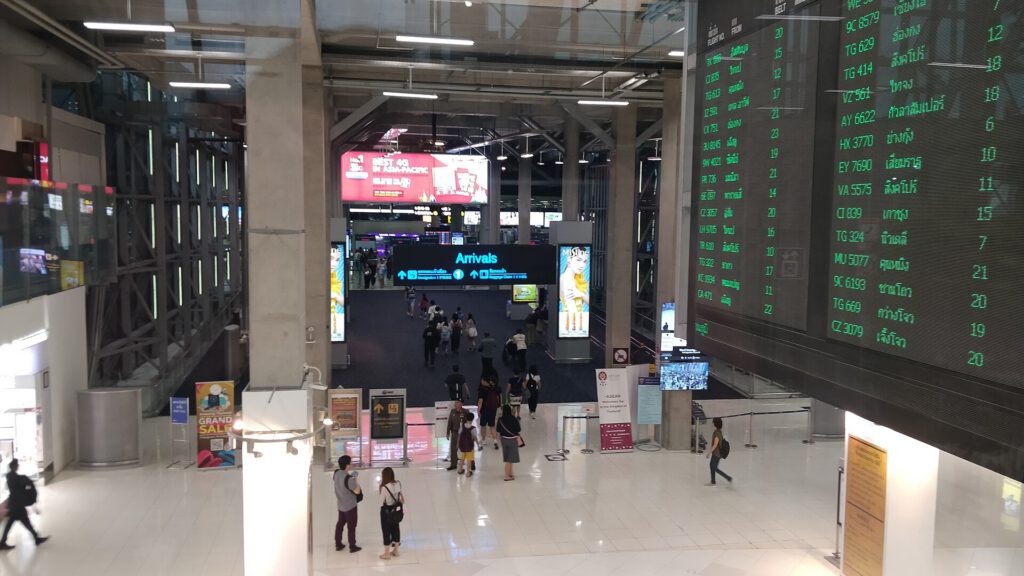
Additional measures include entry-rule changes designed to streamline the visitor experience. A new tourist fee of 450 baht, or about $13, is targeted for implementation in the first quarter of 2027. The plan also calls for faster e-visa processing and shorter immigration waits at Suvarnabhumi Airport. Analysts suggest that the revenue target may be easier to achieve than an arrivals target in an inflationary period, as rising prices naturally lift revenue figures. However, critics point out that the plan lacks specific assumptions for visitor numbers or spending per person, leaving the path to the financial goal undefined.
Source: Skift
