


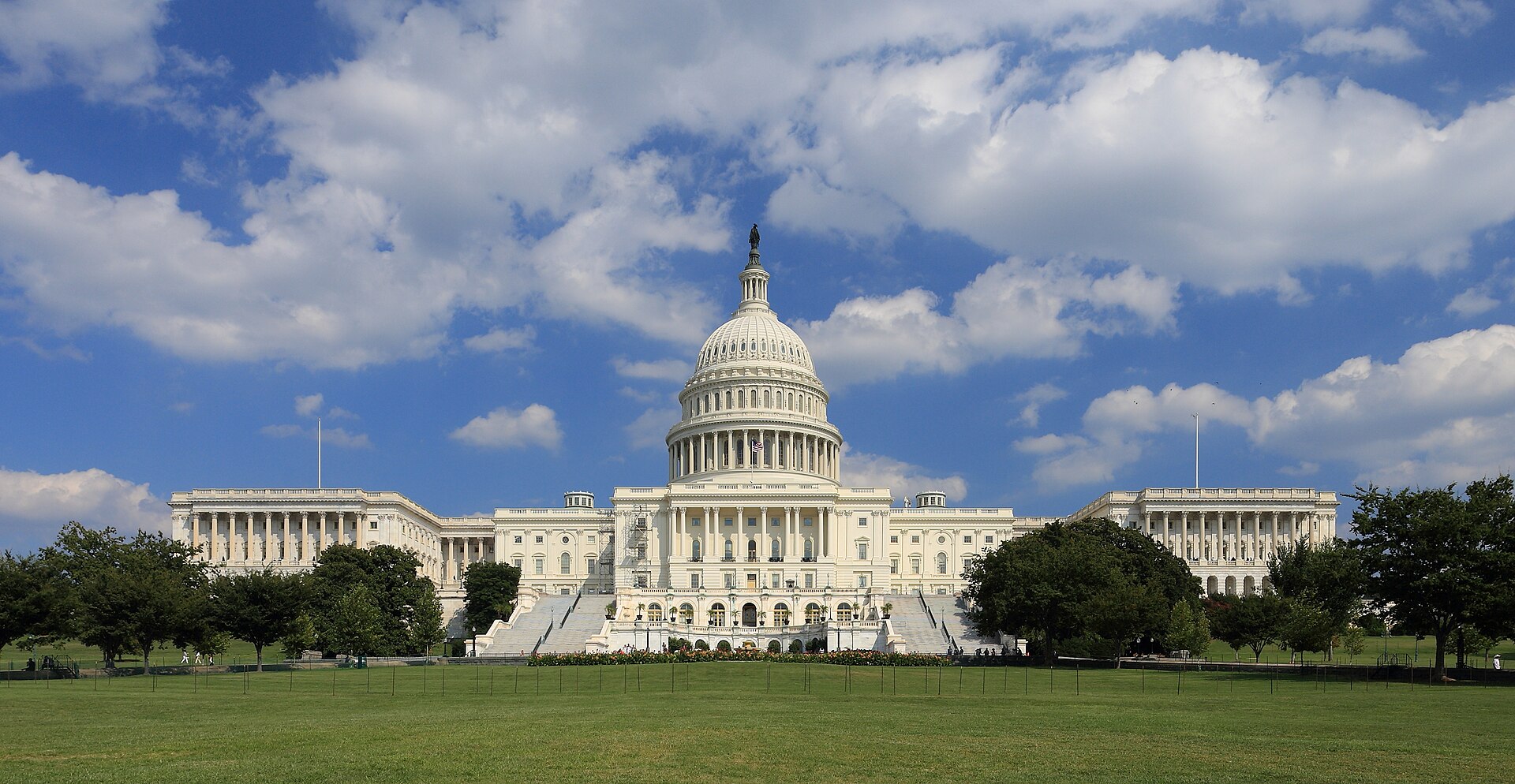
Democrats have seized control of the United States Congress in the 2026 midterm elections, delivering a decisive rejection of the Trump administration’s agenda. The party flipped seven Senate seats, including victories in states that typically lean heavily Republican, while also securing a comfortable majority in the House of Representatives.
As of Wednesday morning, Democrats held 54 seats in the Senate. The party defended a critical seat in Michigan and won pickups in Maine and North Carolina. They then proceeded to flip five additional seats in Ohio, Iowa, Kansas, South Carolina, and Texas. The Texas victory was described as the most significant prize of the night, given the state’s strong Republican history.
In the House, Democrats secured 228 seats, ten more than the 218 needed for a majority. Analysts suggest the party could push that number to 240 or higher as remaining races are resolved. The party also flipped governor’s offices in Texas, Georgia, Iowa, Ohio, and Nevada.
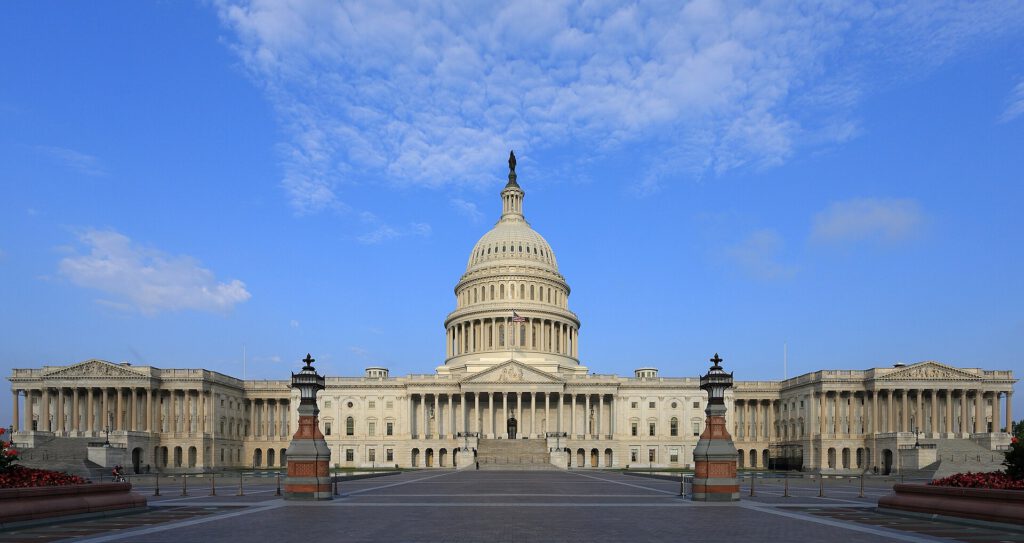
Senate Races and Key States
The Senate contest in Alaska remains uncalled, with results still being tallied. In Mississippi, the race is extremely tight. Democrat Scott Colom leads by only a few dozen votes as final ballots are processed in the deeply conservative state.
The losses in traditionally red states marked a sharp departure from recent political trends. Political observers noted that the results represented a worst-case scenario for the Republican Party, one that even the most pessimistic polls had failed to predict. The GOP, which has dominated national politics for much of the last decade, now faces an uncertain future.
Several other congressional races in Colorado, New York, California, and North Carolina are still being called. The outcome of these races will determine the final composition of the next Congress.
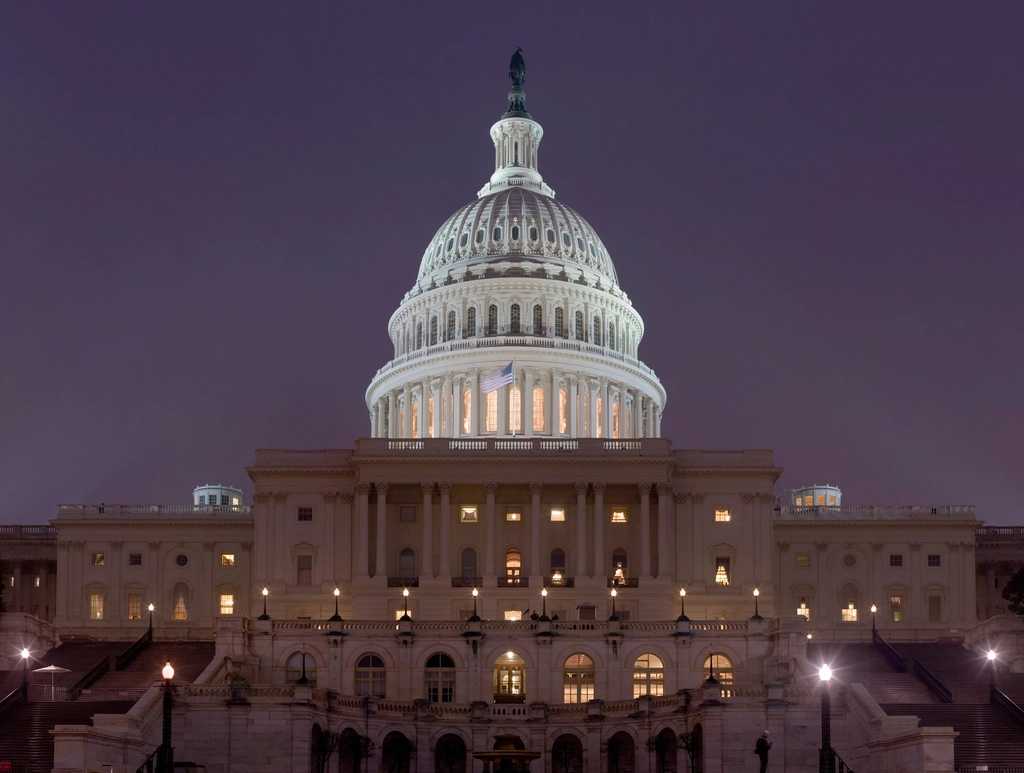
Historic Firsts and Reactions
The election produced several historic firsts. Deb Haaland became the first Native American woman elected as governor, winning in New Mexico. Keisha Lanca Bottoms made history as the first Black woman elected governor in the United States. In the Senate, Abdul El-Sayed became the first Muslim voted into the upper chamber after winning in Michigan.
Donald Trump accepted the results with unusual grace. He congratulated the Democrats and told The New York Times he was “absolutely willing to accept” the outcome. This stance contrasted with the Trump administration’s previous efforts to influence the election process through executive orders and court challenges.

Republican leaders expressed shock at the scale of the defeat. Some commentators suggested the results signal the end of an era for Trump-dominated politics within the party. The losses in states like Texas and Ohio have sparked internal debates about the party’s direction and strategy.
California voters faced a closely watched ballot measure that would impose a one-time 5% tax on billionaires. The measure remains too close to call as of Wednesday morning. The proposal has divided California Democrats, with progressives supporting it and Governor Gavin Newsom opposing it due to fears of capital flight. Wealthy donors have spent heavily to defeat the measure.
Source: The Guardian
