


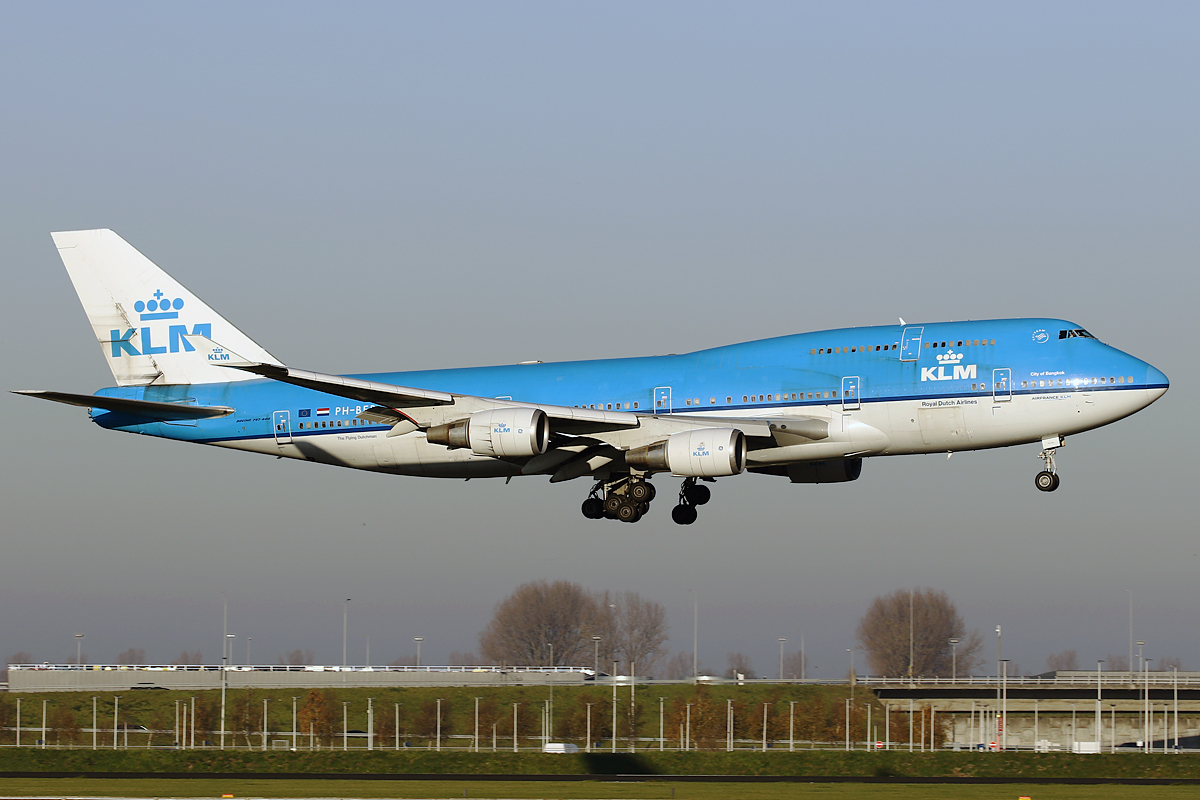
KLM Royal Dutch Airlines has announced a sweeping restructuring plan that will reduce its workforce by approximately 15%. The Dutch flag carrier stated that the move is necessary to improve annual earnings by €1 billion, a target it says is essential for long-term financial security and investment in its fleet and customer experience.
The airline operates in a challenging environment marked by geopolitical instability in the Middle East, which has led to airspace closures and significant increases in fuel prices. While KLM has already achieved structural improvements of more than €750 million in recent years through previous efficiency drives, management determined that further action is required to maintain its position as a key connector between the Netherlands and the rest of the world.
KLM Workforce Reduction Details
The restructuring program involves the reorganization of 5,000 positions. Of these, 1,000 roles will be eliminated through structural productivity improvements. The remaining positions, primarily in catering, ground services, and customer contact, will be outsourced or transferred to external partners.
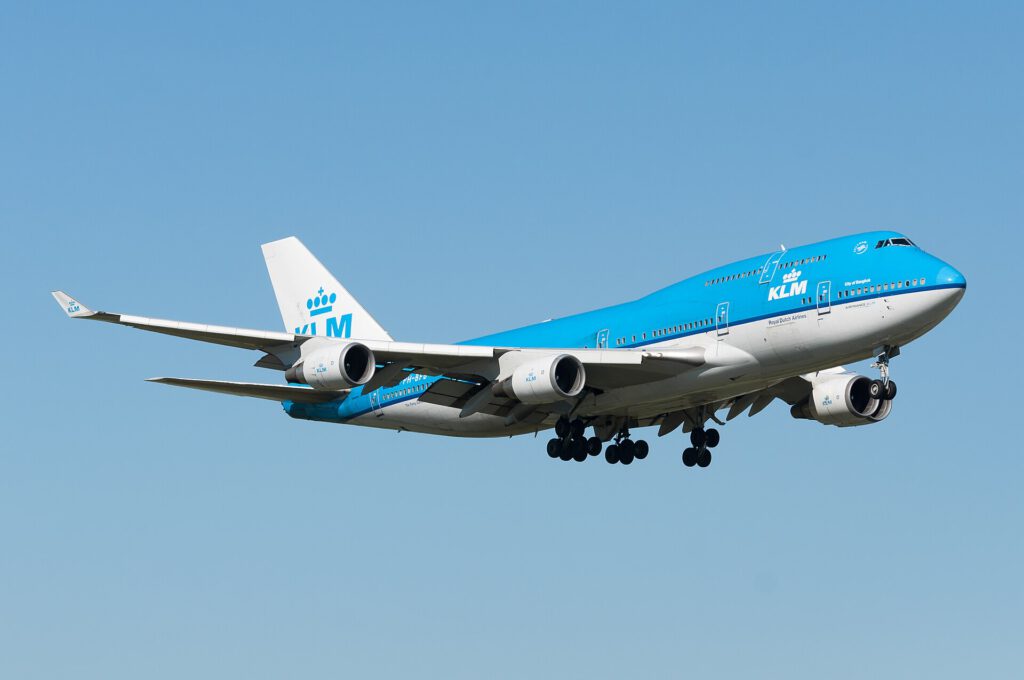
KLM President and CEO Marjan Rintel described the measures as far-reaching and sometimes painful. He emphasized that delaying these actions would limit the airline’s strategic options and lead to even more severe consequences for both jobs and the country’s connectivity. The airline aims to mitigate the impact on employees through natural attrition, voluntary arrangements, and transfers to other available positions within the organization.
Network and Operational Consolidation
Alongside staff reductions, KLM is consolidating its network, particularly on European routes. The airline plans to focus capacity on routes that contribute most to passenger connectivity and the nonstop network from Amsterdam Schiphol Airport. This strategy is designed to restore profitability in regional and short-haul markets.
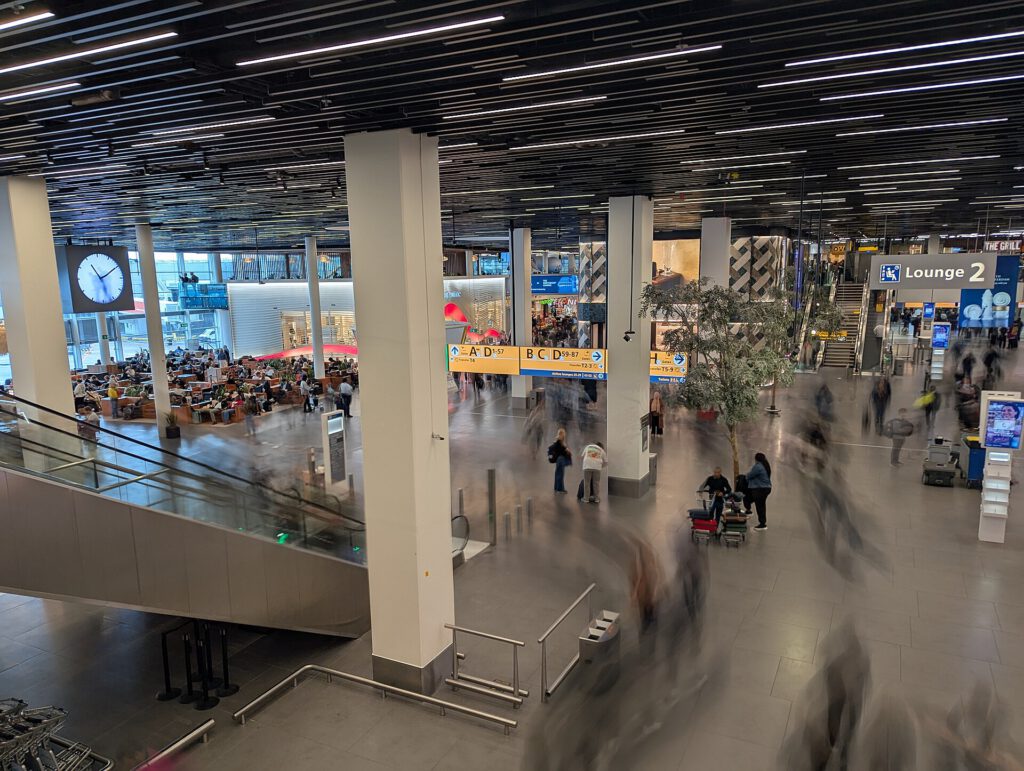
KLM Cityhopper, the regional subsidiary, will play a larger role in this revised network. The airline is increasing capacity on its Embraer E195-E2 jets by adding four additional seats to the economy cabin. This adjustment allows KLM to better align capacity with demand while maintaining operational efficiency.
Operational efficiency is also a central pillar of the cost-saving initiative. KLM identified three key areas for improvement in ground services. Passenger services will rely more heavily on digital technology, giving travelers greater control over their bookings while allowing staff to focus on hospitality. The airline will also work more closely with external partners for apron and baggage services, arguing that these providers can invest and deliver services more efficiently at a lower cost. Finally, technology and collaboration will be used to streamline the Hub Control Center at Schiphol.
The restructuring comes as airlines globally grapple with external pressures. KLM noted that its existing efforts had already brought pilot and maintenance staff shortages under control. However, the current economic climate requires a more comprehensive approach to ensure the airline remains competitive and financially stable.

KLM stated that the €1 billion earnings boost will be reinvested into the fleet, customer experience, and the people who work for the airline. The company believes that these difficult choices are necessary to keep the Netherlands connected to the world and to secure the airline’s future in an increasingly complex global market.
Source: Simple Flying
