


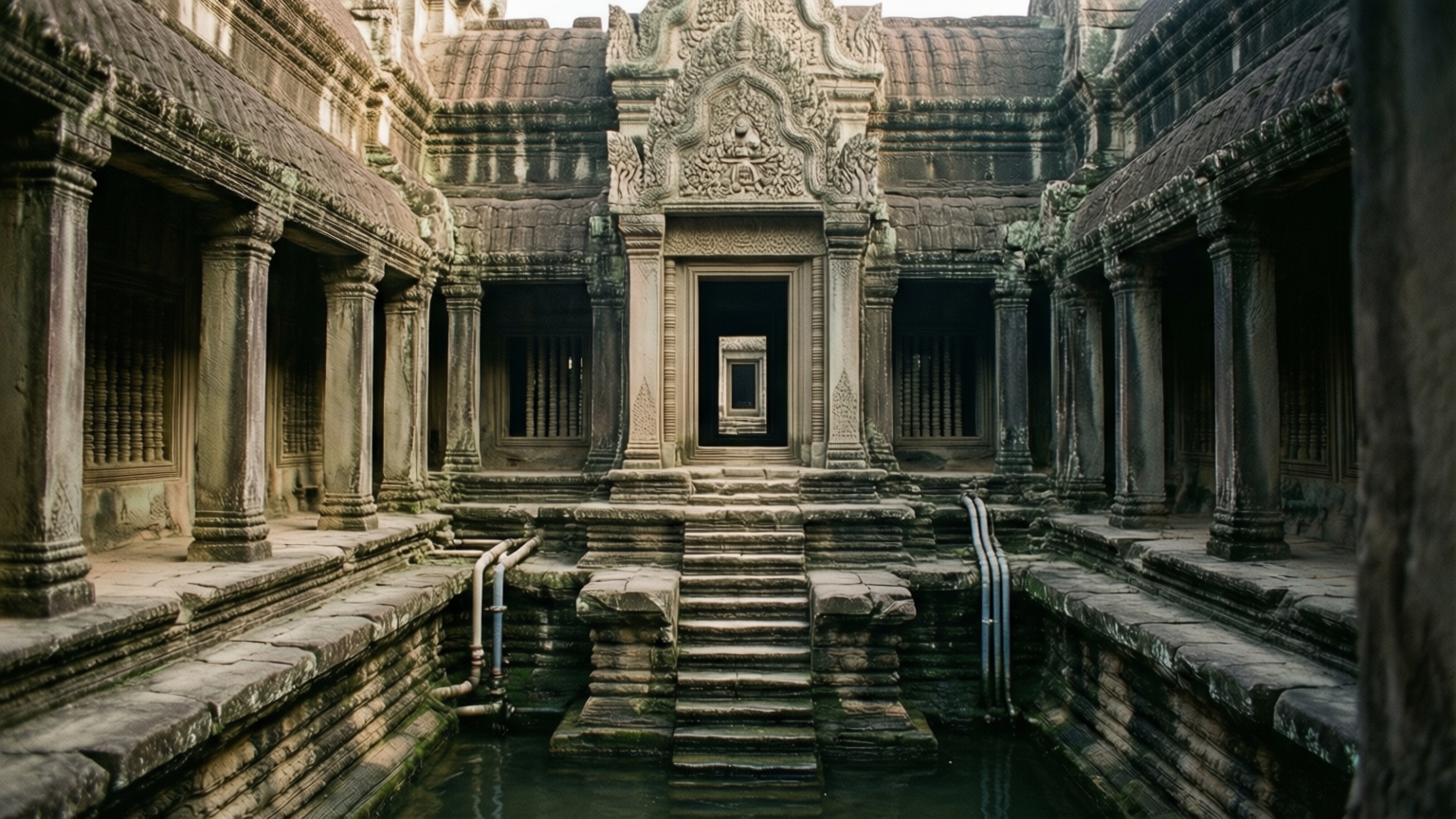
The Switch 2 remake of Zelda Ocarina of Time is now available, bringing the Nintendo 64 classic to a new generation of gamers. While the game remains faithful to the original experience, it addresses one of the most notorious pain points in its history: the Water Temple. Long considered a frustrating rite of passage, this dungeon has received targeted updates designed to reduce confusion without altering its core structure.
Visual Signposting and Color-Coded Routes
The Water Temple is a four-story dungeon centered around a flooded main room. Progress requires players to adjust water levels in specific areas to access new paths. In the original release, the lack of visual cues forced players to memorize the location of every control room and the resulting layout changes across three distinct levels. This mental burden created a reputation for the dungeon that has persisted for decades.
Nintendo has introduced clearer signposting to alleviate this issue. Doors leading to water control rooms now display symbols indicating exactly how the water level will change. This removes the need to recall which door leads to which adjustment. Additionally, the routes to these control rooms are now color-coded. Colored pipes guide players through the dungeon, visually connecting the path to the specific pedestal required to play the ocarina and trigger the change.
These adjustments were requested by Eiji Aonuma, who directed the original Ocarina of Time. Aonuma acknowledged the long-standing criticism of the dungeon in a recent developer interview. He stated that he viewed the difficulty as overdue homework and instructed the team to make adjustments to the design in this version.
Streamlined Item Management
Another significant improvement involves the control scheme for essential items. The original game limited players to three item slots, requiring frequent menu navigation to swap between the ocarina, Iron Boots, and Hookshot. This constant juggling often interrupted the flow of gameplay within the temple.
The Switch 2 remake keeps the ocarina mapped to the D-pad at all times. The Iron Boots are now assigned to a quick swap button on the D-pad as well, freeing up an inventory slot. Players can dedicate the ZR slot to the Hookshot and use the R button for quick menu access to other items. This change eliminates the need to pause the game to manage equipment, allowing for smoother progression through the puzzles.
These updates aim to preserve the challenge of the dungeon while removing the friction caused by outdated interface limitations. The visual cues remain integrated into the dungeon architecture, and the control changes are designed to keep players immersed in the experience. New players can navigate the temple without suffering through the same confusion that defined the original release.
Source: Polygon
