


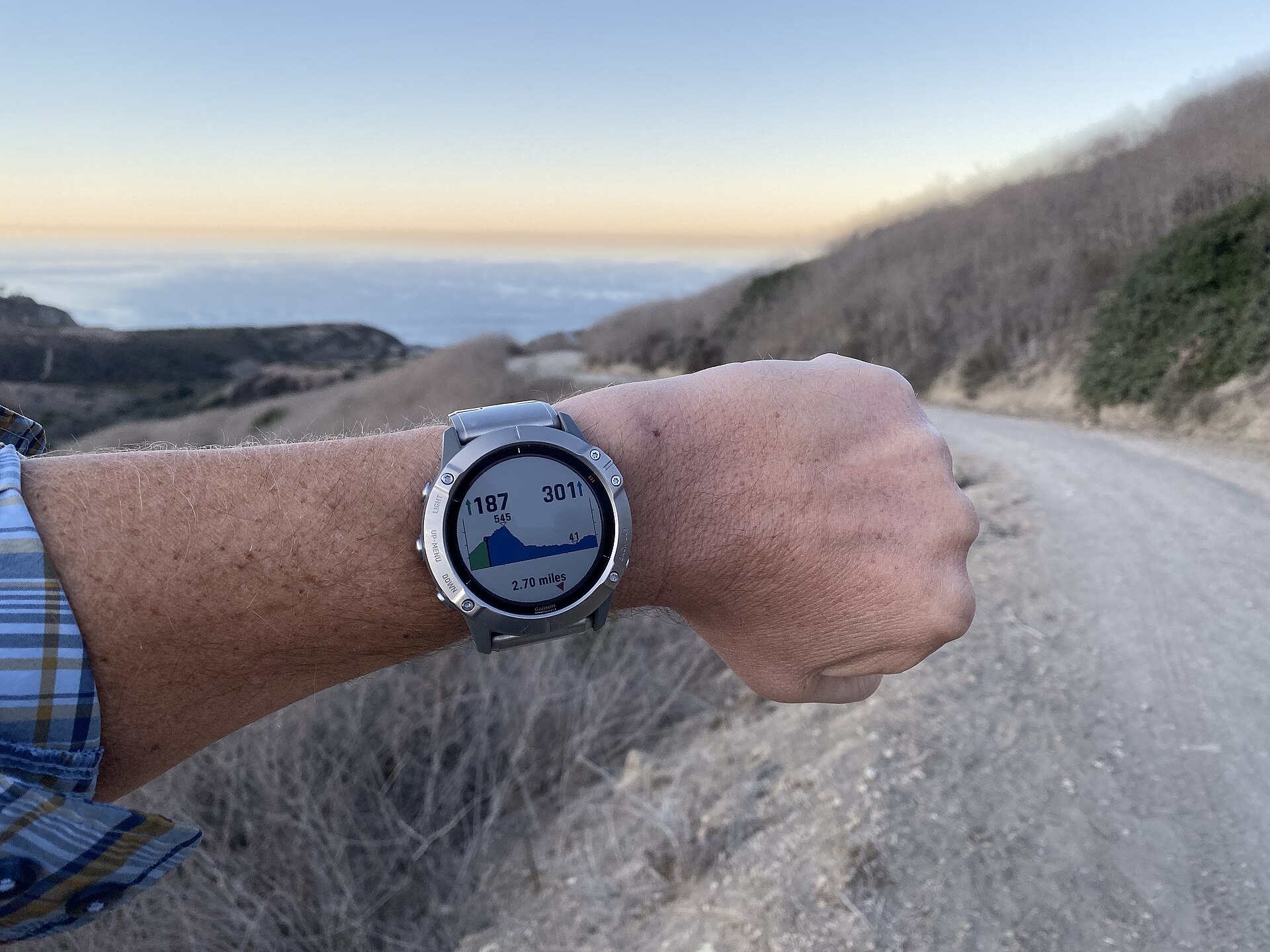
Garmin is maintaining its commitment to memory-in-pixel (MIP) displays for its smartwatch lineup, citing battery life as the primary reason for not fully transitioning to AMOLED technology. While the company has adopted high-quality OLED screens for many of its premium models, it recognizes that MIP screens offer distinct advantages for users who prioritize endurance over visual flair.
Battery Life and Outdoor Visibility
Brad Trenkle, Garmin’s Chief Operating Officer, told TechRadar that the gap in battery performance between the two display technologies has not fully closed. MIP displays rely on ambient light to remain visible, which significantly reduces power consumption compared to AMOLED screens that generate their own light. This characteristic makes MIP screens particularly effective in bright outdoor conditions, where sunlight enhances readability rather than straining the battery.
Garmin’s recent product releases highlight this strategy. The newly launched Enduro 4 features a MIP display and offers up to 90 days of battery life in smartwatch mode when paired with sufficient solar charging. Similarly, the Instinct 3 provides consumers with a choice between a colorful AMOLED screen and a solar-powered MIP alternative that can theoretically operate indefinitely under ideal sunlight conditions.
AMOLED Improvements and Solar Integration
AMOLED technology is not standing still. The Fenix 9 Pro features a display capable of reaching 3,000 nits, offering vibrant colors and sharp graphics. Trenkle acknowledged that OLED battery efficiency continues to improve with each new generation. However, he stated that the battery-life gap between AMOLED and MIP has not completely converged, meaning MIP will likely remain a viable option for a significant period.
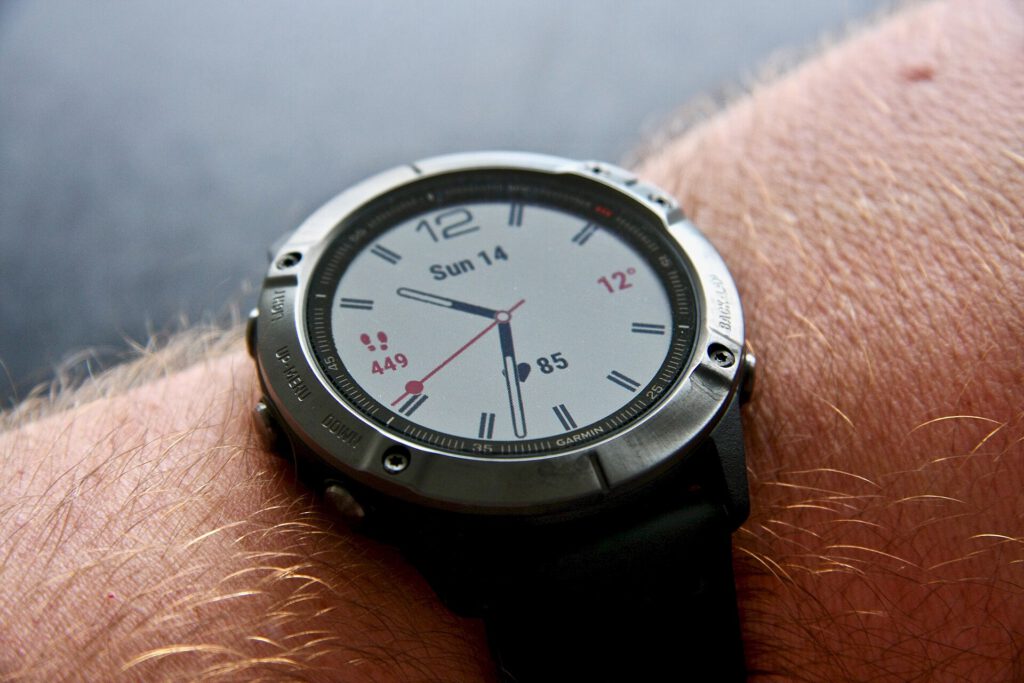
Garmin is also exploring ways to combine the best of both worlds. The company uses solar technology that collects energy through a ring surrounding the display rather than placing a layer directly over the screen. This approach could potentially allow an OLED watch to harvest sunlight without compromising display quality. Despite these developments, Garmin has not announced any products that combine OLED displays with this specific solar charging method, and there is no timeline for such a release.
The current strategy allows Garmin to cater to different user needs. Some consumers prefer the aesthetic appeal of AMOLED screens for everyday use, while others prioritize the rugged endurance of MIP displays for long adventures. The decision to keep both technologies in the lineup reflects a balance between visual innovation and practical battery performance.
Source: Android Authority
