


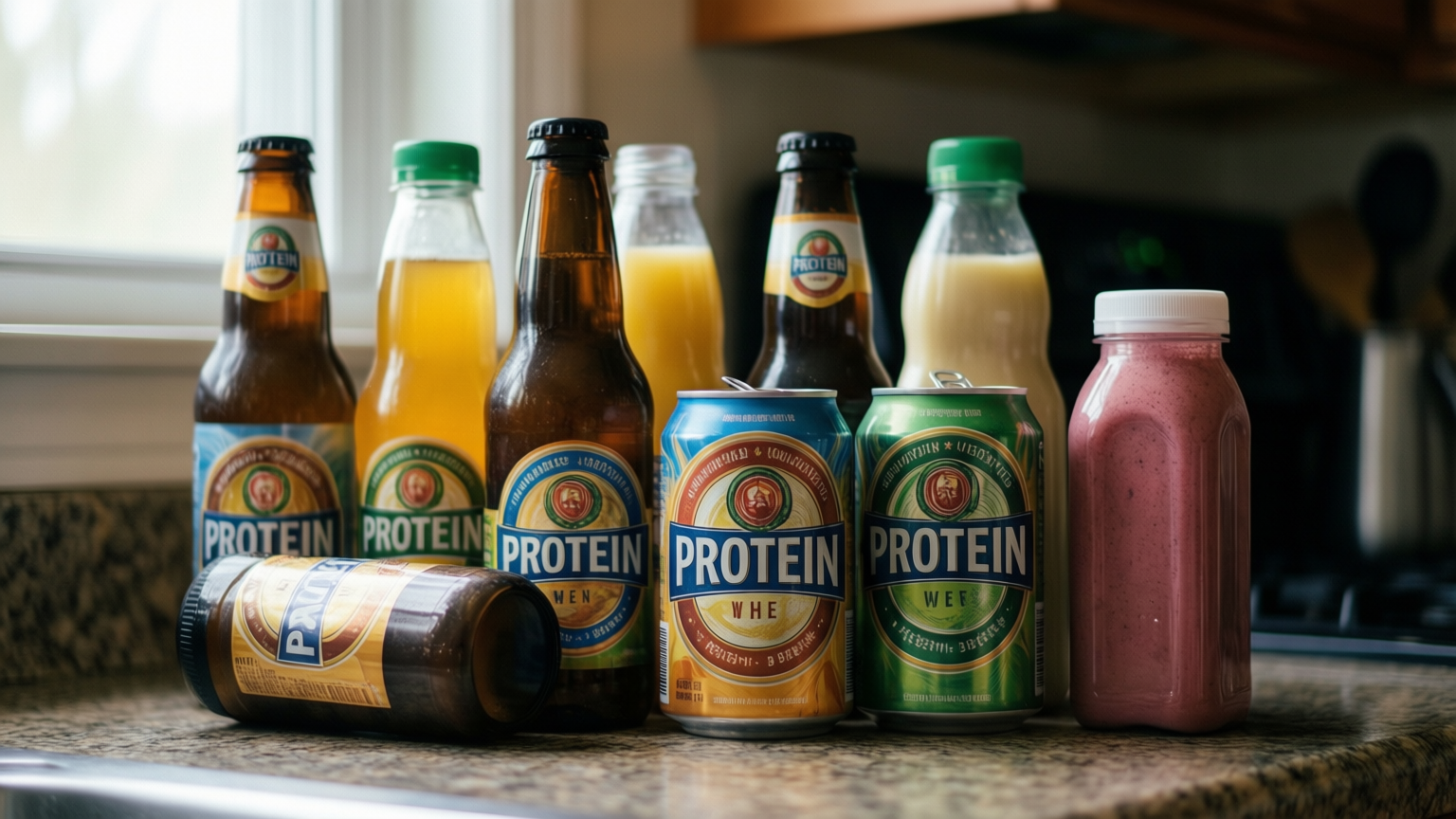
The market for high-protein beverages is expanding rapidly, with products ranging from protein-infused iced coffee to protein sodas and even protein beer. This trend is largely driven by the rising popularity of weight-loss drugs and a broader cultural focus on protein intake. However, a recent taste test suggests that while these products are ubiquitous, their palatability is questionable.
The Protein Trend and Market Expansion
Adults generally require 0.75g of protein for every kilogram of body weight, a target easily met through whole foods like nuts, pulses, and eggs. Athletes often supplement this with powders to support intense physical exertion. Yet, the current wave of protein-enhanced products is marketed at the general public, creating a perception that consumers might be “cheating” themselves if they do not choose these fortified options.
In September, AB InBev, the world’s largest brewer, announced a pilot for Spaten Pro in Brazil. This alcohol-free beer contains 10g of protein per can, derived from hydrolysed whey protein and hydrolysed collagen. In the UK, protein beers remain niche. Brands like Lifted target fitness enthusiasts with 10g of pea protein per can, but the category has not achieved mainstream acceptance.
Flavour Profiles and Ingredients
The taste test assessed several popular high-protein drinks, revealing a consistent pattern of thick textures and intense sweetness. Producers frequently use buzzwords such as “vegan” or “no added sugar,” yet the flavour profiles are heavily sweetened using stevia, sucralose, agave nectar, or blended tropical fruits. This approach appears to prioritise sweetness over the natural taste of the ingredients.
The sources of protein vary across the market. Naked smoothies and Feisty sodas use hydrolysed pea protein, which is pre-digested to reduce the “chalkiness” associated with traditional protein shakes. Vieve protein waters utilise a collagen peptide formula, while Perfect Ted relies on milk powder for its matcha latte. These are highly processed formulations that differ significantly from whole food sources.
Specific Product Assessments
Naked Machine Protein Pineapple and Mango, priced at £4.50 for a 750ml bottle at Ocado, was described as a muscly, thickened smoothie. Consumers should note that a single serving is only one-third of the bottle, which affects the cost per serving.
Vieve Watermelon Protein Water, available at Holland & Barrett for £2.59 per 500ml, was noted for being extremely sweet with an unconvincing watermelon flavour. Despite these issues, it was identified as the most thirst-quenching option among the tested beverages.
Perfect Ted Protein Matcha Latte White Chocolate, sold at Tesco for £2.40 per 250ml, contains 18g of protein and 12.75g of sugar. The reviewer described the taste as “horrid,” highlighting the disconnect between the nutritional content and the sensory experience.
Feisty White Peach and Nectarine soda, priced at £2.19 for a 330ml can at Wholefoods, uses white grape and apple concentrates along with stevia leaf. These ingredients give the heavy-protein soda a syrupy finish, contributing to its overall heaviness.
The consensus from the tasting is that these drinks are thick, highly formulated, and heavily processed. The reliance on artificial sweeteners and concentrated fruit juices to mask the taste of protein isolates results in beverages that many may find unappealing. For those seeking to increase protein intake without compromising on taste, whole foods remain the more practical and palatable option.
Source: The Guardian
