


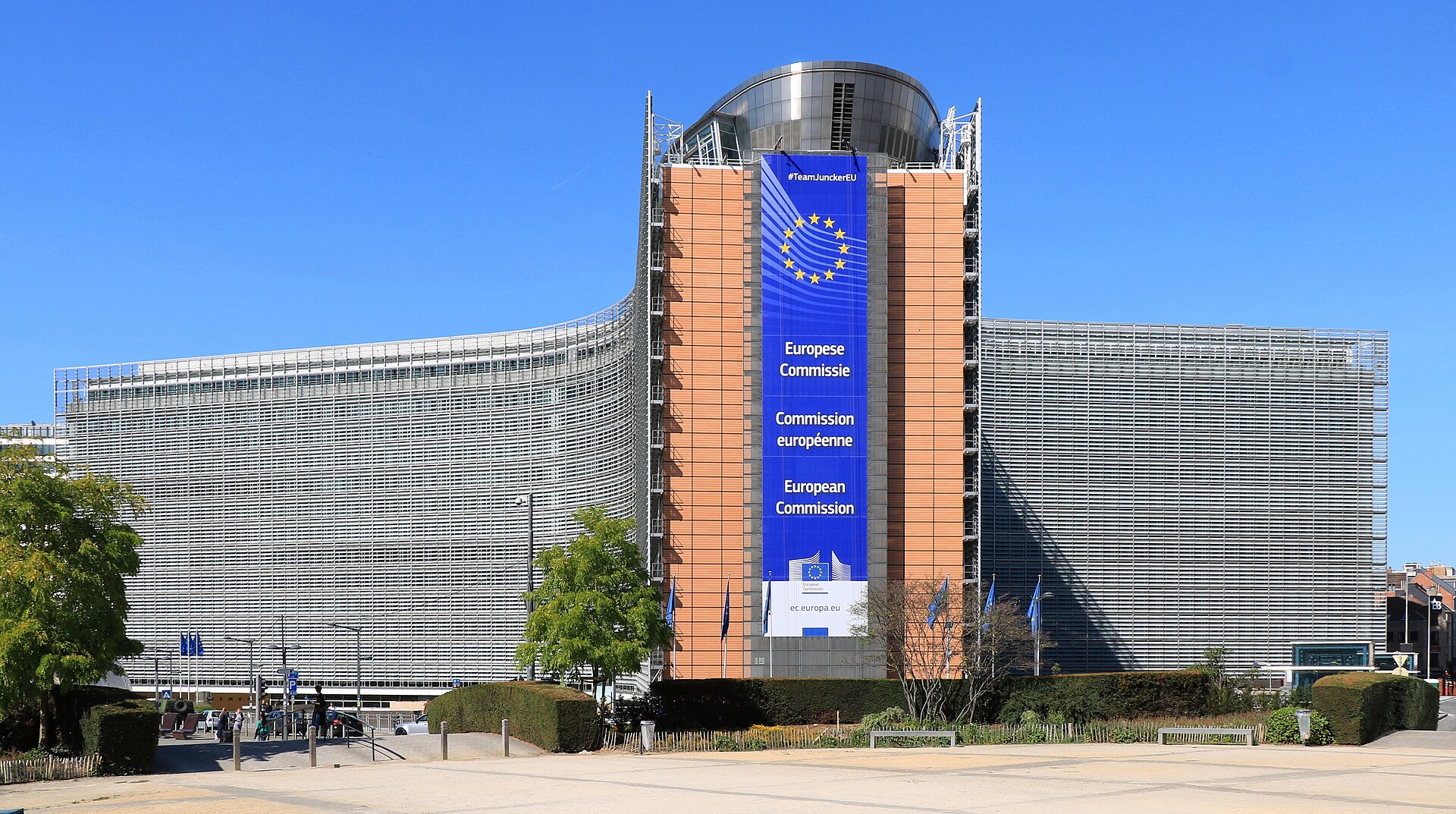
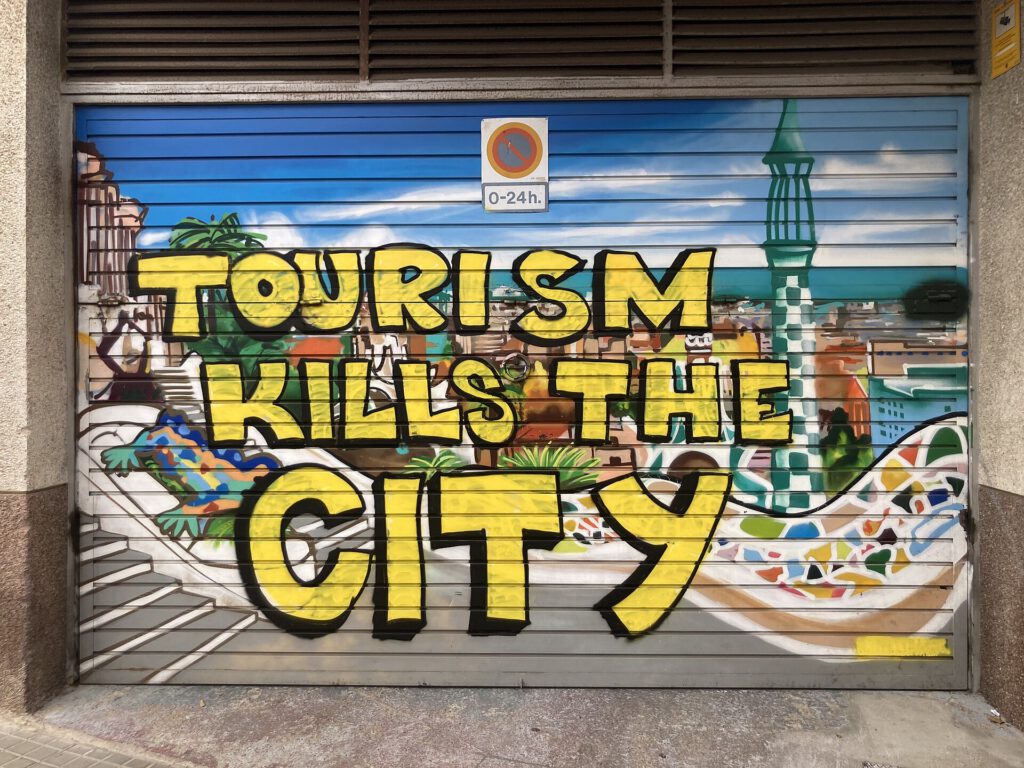
The European Commission released its EU Sustainable Tourism Strategy on Wednesday, outlining a vision to disperse visitors across lesser-known destinations and throughout the entire year. The plan arrives amid growing backlash against overtourism and a summer marked by extreme heat and wildfires in parts of Europe. Despite the ambitious scope, the strategy does not allocate new funding or set binding numerical targets for member states to follow.
Voluntary Measures Replace Binding Targets
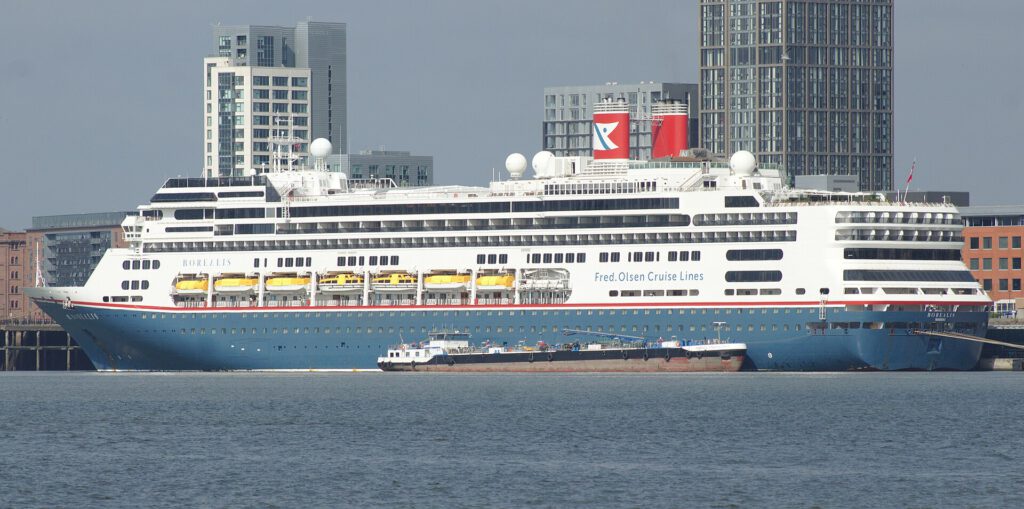
The strategy relies on three voluntary instruments to guide implementation. These include the EU Model for Tourism Management, a proposed Council Recommendation for Balanced Tourism, and an EU Toolbox for Balanced Tourism. The toolbox will feature shared approaches to managing short-term rentals, a sector that has drawn significant criticism in major cities for reducing long-term housing availability. The Commission also proposed a Cruise Cooperation Dialogue to address the environmental and social impacts of cruise ships in sensitive coastal areas.
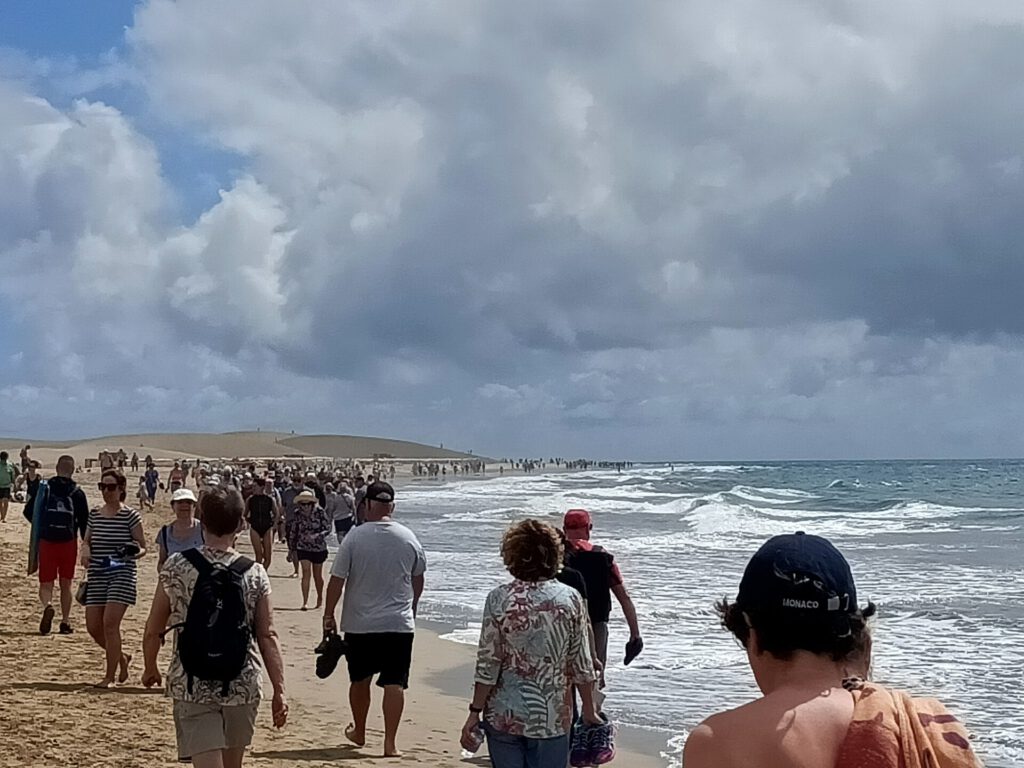
Industry observers noted that the absence of measurable targets limits the strategy’s immediate impact. While the Commission highlighted that 42% of nights spent in a destination fall within its three busiest months on average, it did not set specific reduction goals for peak-season congestion. Instead, the focus remains on encouraging member states to adopt best practices and share data on visitor flows.
Funding Gaps and Climate Shifts
The document acknowledges that destination choices are shifting due to climate change. Travelers are increasingly moving toward traditionally cooler regions, such as the Nordics, as southern European destinations face higher temperatures and wildfire risks. The Commission stated that €18 billion in EU support is expected to have benefited tourism from 2021 to 2027, but it committed no fresh money for the new strategy. Officials pointed to the 2028, 2034 budget, which is still under negotiation, and emphasized the need to combine private investment with financial instruments.
Industry voices welcomed the shift from volume to value but pressed for more concrete support. Critics argued that simpler access to funding and practical fixes, such as interoperable transport ticketing across borders, are essential for spreading visitors out. The Commission said it would only “explore” such interoperability by 2028, a timeline that some stakeholders found too slow to address current pressures.
Technology and Future Risks
The strategy also flags the role of artificial intelligence in shaping travel patterns. AI trip-planning tools could reinforce existing tourism hubs if destinations remain passive in their marketing efforts. The Commission warned that without proactive management, digital tools might concentrate visitors even more tightly in popular spots, exacerbating overtourism rather than alleviating it. The document calls for destinations to actively engage with digital platforms to promote lesser-known areas and off-peak travel.
Source: Skift
