


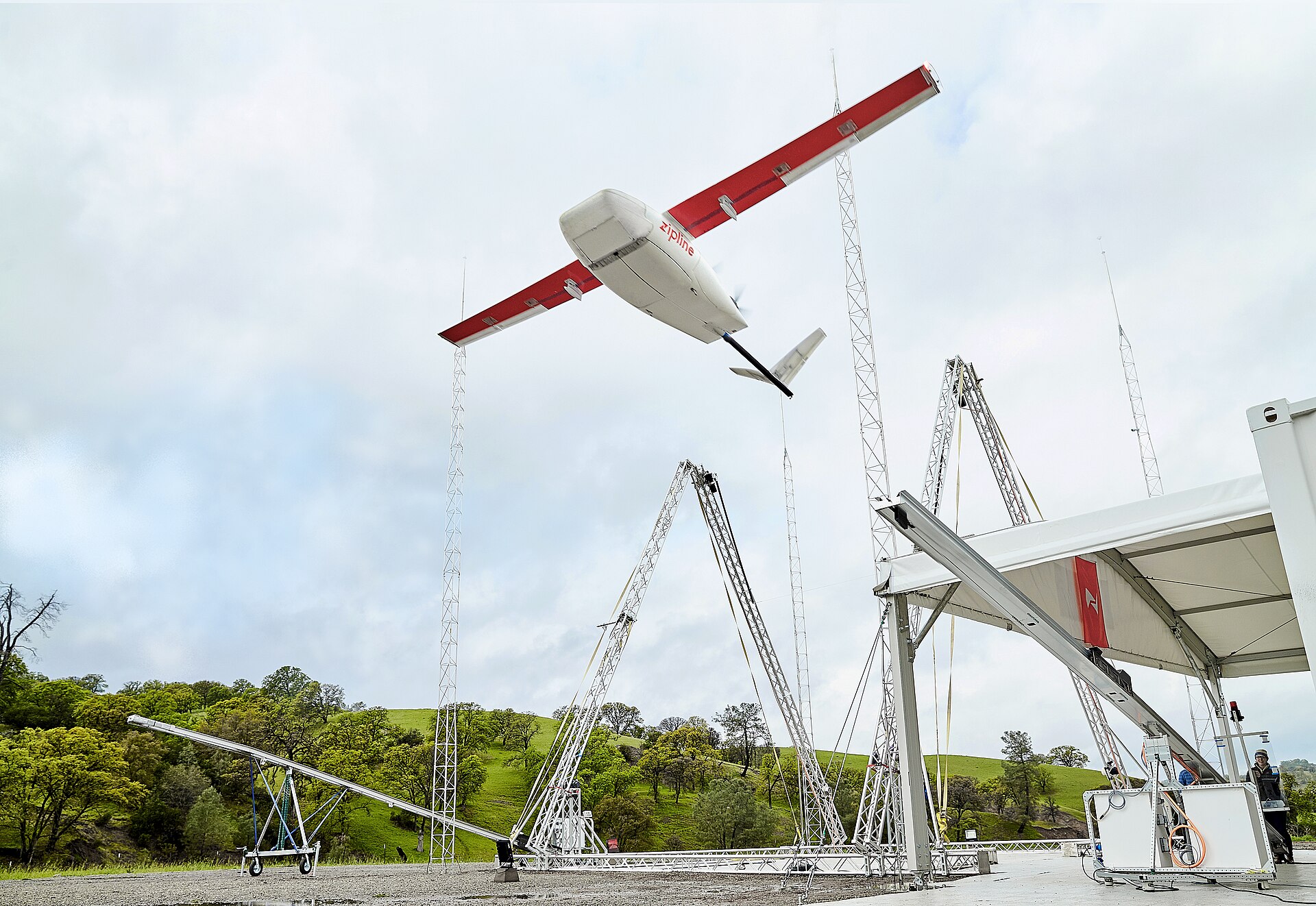
Zipline has reached a $21.5 billion valuation after closing a $1.5 billion funding round and securing a significant expansion of its partnership with Walmart. The California-based logistics company plans to use the new capital to scale its U.S. manufacturing capabilities and hire additional staff to build a nationwide drone delivery network.
The funding round was led by Paradigm, WCM Investment Management, and Layer Global. Other participants included Valor Equity Partners, Fidelity Management & Research Company, Uber, Tiger Global, J.P. Morgan, ARK Invest, and Salesforce Ventures. This latest investment marks a substantial increase in the company’s profile within the autonomous delivery sector.
Walmart Drone Delivery Expansion
A central component of this growth strategy is a new multi-year agreement with Walmart. The two companies have maintained a drone delivery partnership since 2021, but the new deal represents a major scaling of operations. Zipline will add 300 drone delivery sites across the United States, a sharp increase from the 21 active sites currently in operation.
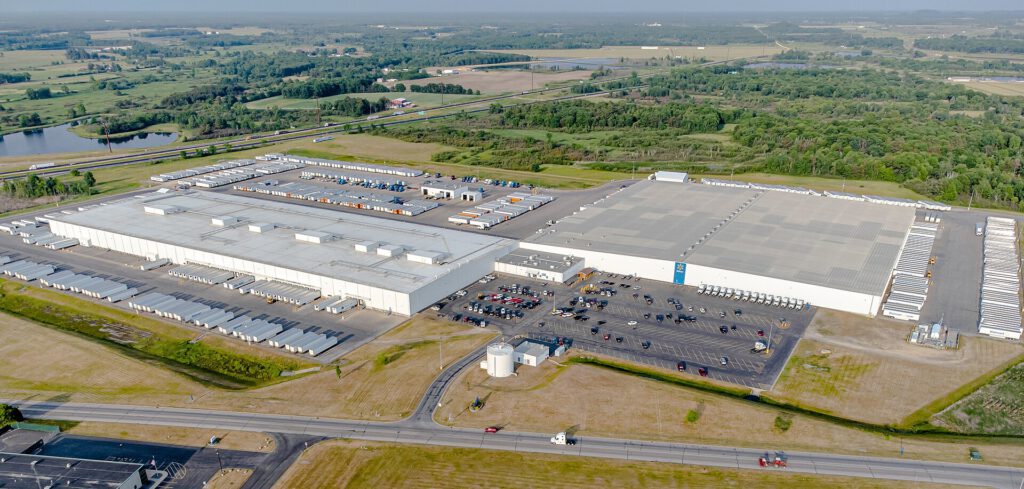
The expansion aims to integrate drone logistics more deeply into Walmart’s retail infrastructure. Zipline’s home delivery service utilizes Platform 2 drones, which are designed to carry packages weighing up to eight pounds to customers within a 10-mile radius. These aircraft form the backbone of the company’s consumer-facing delivery operations in the U.S.
Zipline has seen rapid growth in its revenue share from deliveries in recent months. The company reported that its share of delivery revenue grew from 10.8% to 34.9% between March and October of this year. The new funding is intended to push this metric even higher as the company scales its operations.
Manufacturing and Global Operations
Zipline intends to use the proceeds from the funding round to expand its U.S. manufacturing facilities. The company has developed a comprehensive drone delivery ecosystem that includes custom aircraft, launch and landing systems, and logistics software. Building out this infrastructure is critical to supporting the increased volume of deliveries required by the Walmart partnership.
Founded in 2014, Zipline initially gained experience in Africa, where it used autonomous drones to deliver blood to remote areas in Rwanda, Ghana, and Nigeria. The company entered the U.S. market in 2020, starting with medical supply deliveries to Novant Health in North Carolina. A key regulatory milestone occurred in 2022 when Zipline received Part 135 air carrier certification from the Federal Aviation Administration. This certification authorized the company to conduct long-range commercial drone deliveries, removing a significant barrier to entry for large-scale logistics.
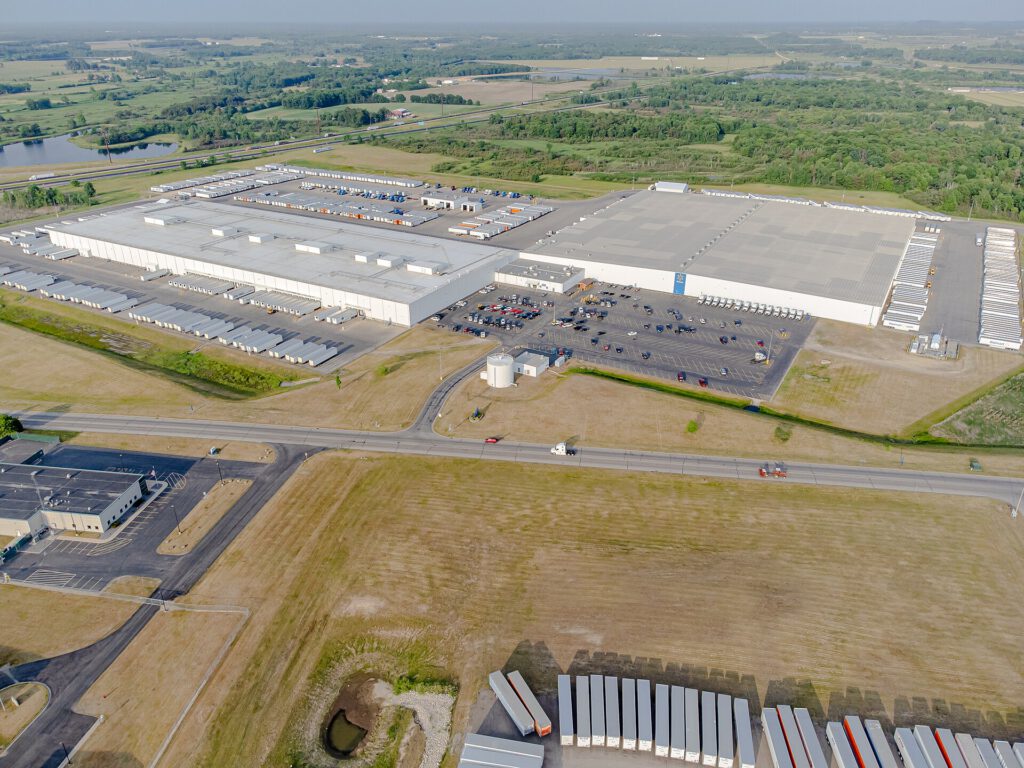
Today, Zipline operates in five African countries, several U.S. cities, and Japan. The company also employs larger Platform 1 drones for enterprise, business, and government clients. These aircraft can cover 120 miles round trip, making them suitable for long-range deliveries of agricultural, health, and retail products.
The company has also strengthened its position in the U.S. market through partnerships with other major players, including Uber, which it announced earlier this year. The combination of regulatory approval, expanded manufacturing, and major retail partnerships has positioned Zipline as a leading force in the autonomous drone logistics industry.
Source: TechCrunch
