


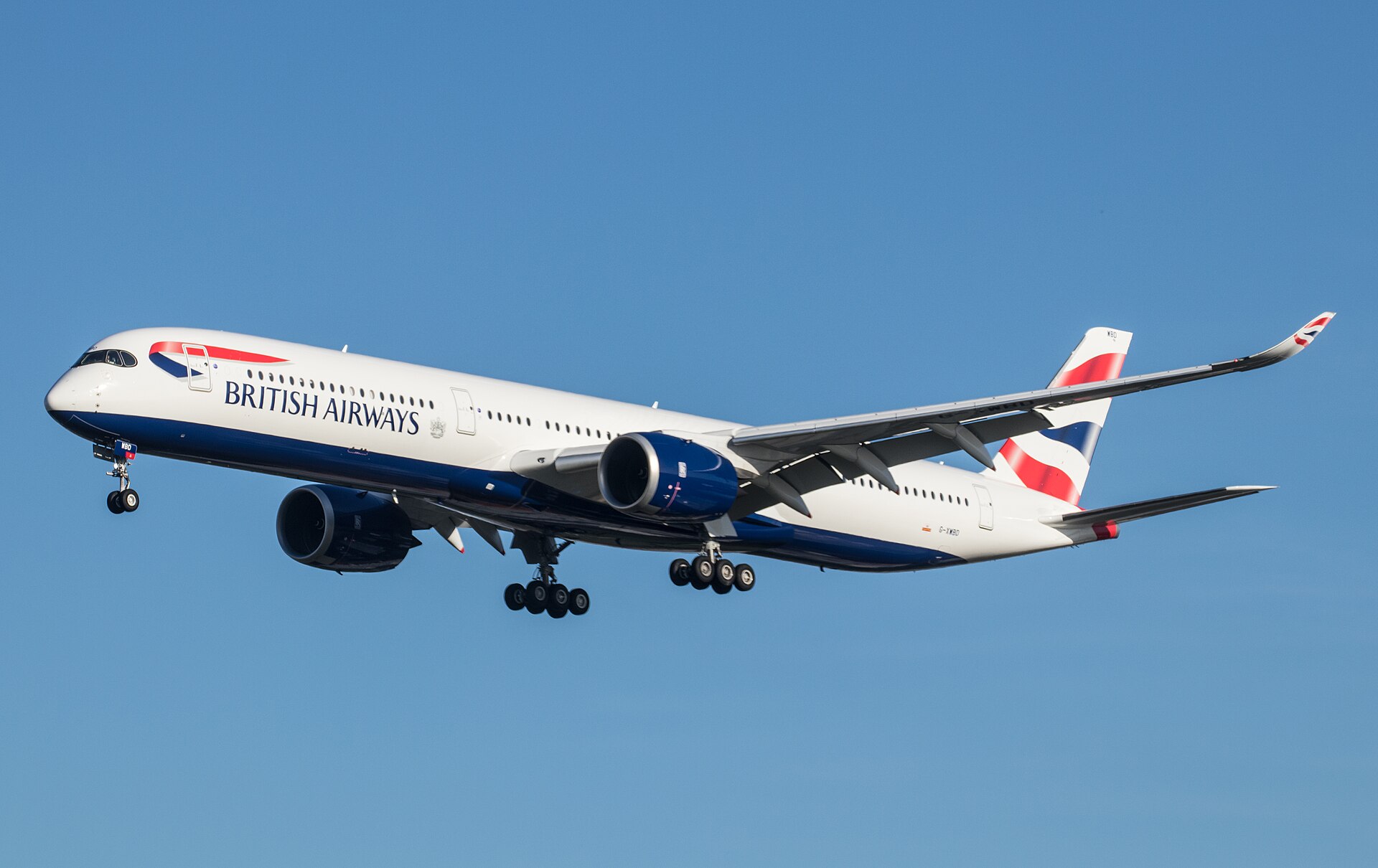
British Airways has officially resumed flights between London Heathrow Airport and Dubai International Airport, ending an eight-month suspension that began in February due to the outbreak of conflict involving Iran. The airline’s first returning service, designated as flight BA105, departed Heathrow on Tuesday evening and arrived in Dubai the following morning. The reinstated route covers approximately 3,416 miles (5,497 km) and now operates daily using a Boeing 787-10 aircraft.
BA105 Flight Schedule and Capacity Reduction
The specific timing for the restored service shows BA105 departing Heathrow at 8:33 PM and arriving in Dubai at 7:34 AM the next day. This westbound journey takes up to nine hours. However, the return represents only a fraction of the carrier’s previous operation in the region. Before the hostilities began in February, British Airways operated three daily departures to Dubai. These included flight BA107 using a 469-seat Airbus A380, alongside BA105 and BA109, which both utilized 256-seat Boeing 787-10s. Together, those three flights offered 981 seats per day.
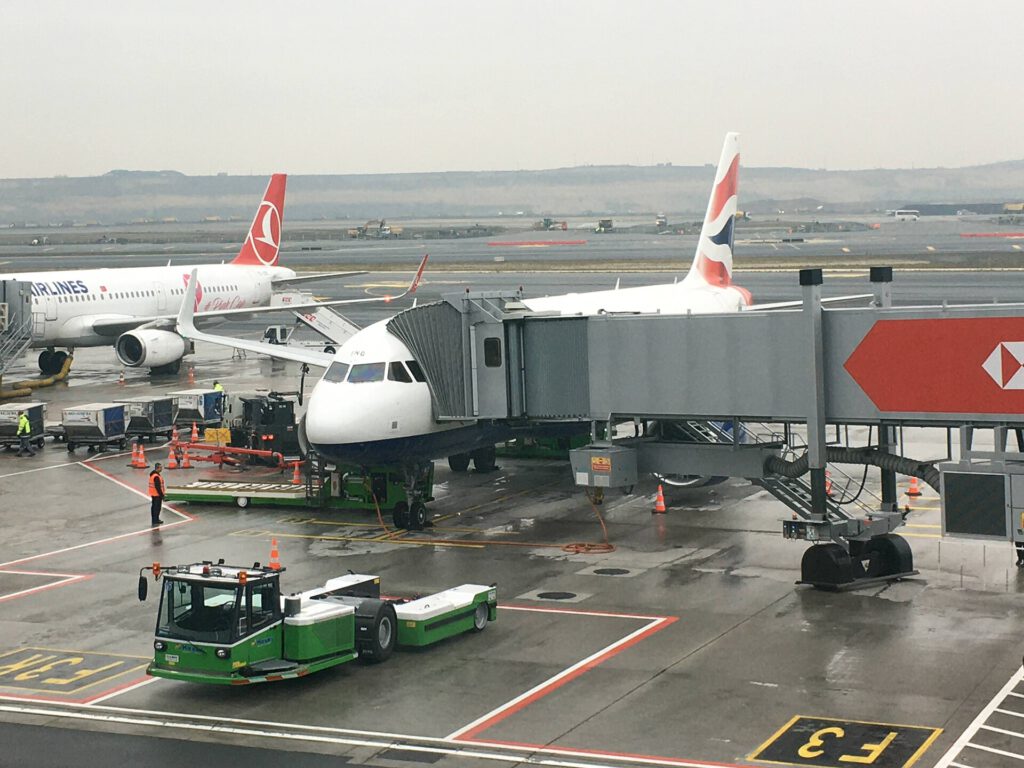
The current single daily service provides just 256 seats, marking a 74% reduction in daily capacity. The airline plans to increase Dubai frequencies to twice daily in the summer of 2027, although this would still leave departures below the pre-conflict level. British Airways stated that these schedule changes are intended to provide greater clarity for customers while it continues assessing regional conditions.
Wider Middle East Network Restructuring
The reduction in Dubai flights is part of a much wider retreat from the Middle East by the British carrier. Scheduled winter departures across the region have fallen by almost 65%. This restructuring affects several other destinations beyond Dubai. Doha Hamad International Airport remains in the winter network but at half the capacity of flights from last winter. Amman’s Queen Alia International Airport returned yesterday with four weekly departures, which is also a significant reduction compared to a year prior.
Riyadh Airport is scheduled to follow on January 11 with initial daily flights. However, recent attacks on Saudi airport infrastructure cast considerable doubt on whether that date will hold. Other destinations face much longer interruptions and are not part of the 2026-27 winter schedule. Bahrain International Airport is only scheduled to resume later in 2027, while Abu Dhabi International Airport is not expected to return until winter 2027-28. Jeddah Airport has disappeared from British Airways’ network entirely.
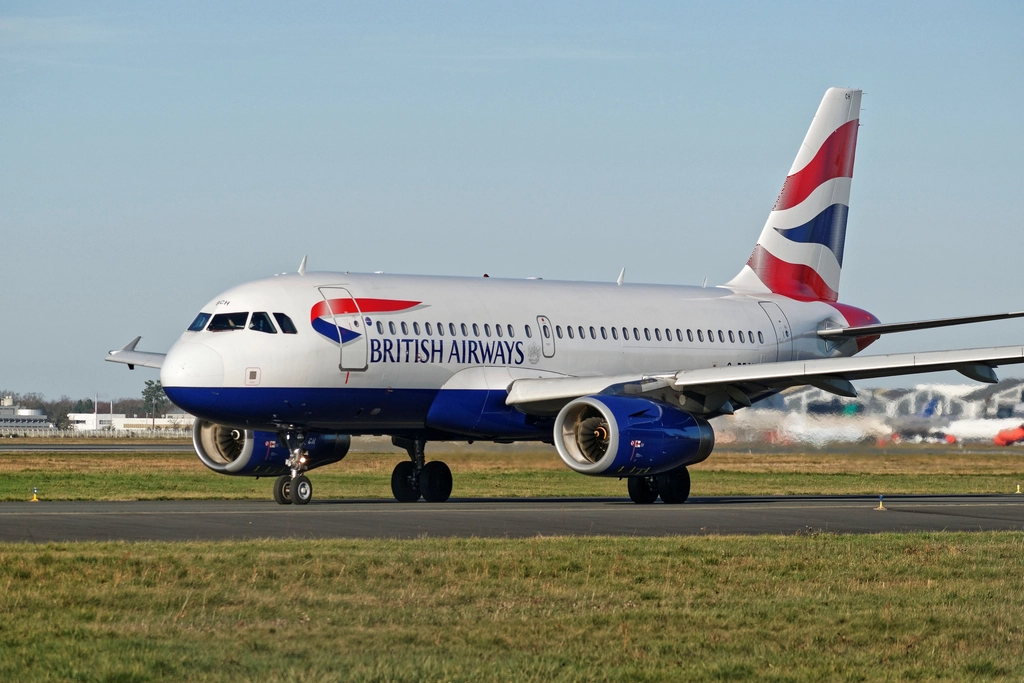
The net result is that across these destinations, BA’s scheduled departures have fallen from 1,334 to 474, representing 860 fewer flights. The carrier is currently operating only five of the eight Middle Eastern destinations included in its 2025-26 winter schedule. Tel Aviv’s Ben Gurion Airport is the only other destination operating at normal capacity for now.
Industry-Wide Slow Return to Dubai
British Airways is among several international carriers restoring Dubai connections, but the recovery is gradual. Philippine Airlines, Air Astana, and Aegean Airlines resumed operations during October. The Lufthansa Group is planning a larger restoration later this month. However, these airlines had to postpone their original October schedules because of ongoing regional uncertainty. Numerous other carriers remain absent from the route. Singapore Airlines has extended its suspension through February 28, while KLM Royal Dutch Airlines and Finnair have canceled Dubai services through March 27. Across the Atlantic, Air Canada and United Airlines are also expected to remain away until spring.
Even when returns happen, capacity is often reduced. Eurowings has abandoned its planned Cologne/Bonn and Stuttgart flights this winter, sticking solely with Berlin. While Dubai’s international recovery is clearly underway, restoring its former connectivity could take considerably longer. The airline’s cautious restoration reflects the broader hesitation among international carriers to fully commit to the region until stability is assured.
Source: Simple Flying
