


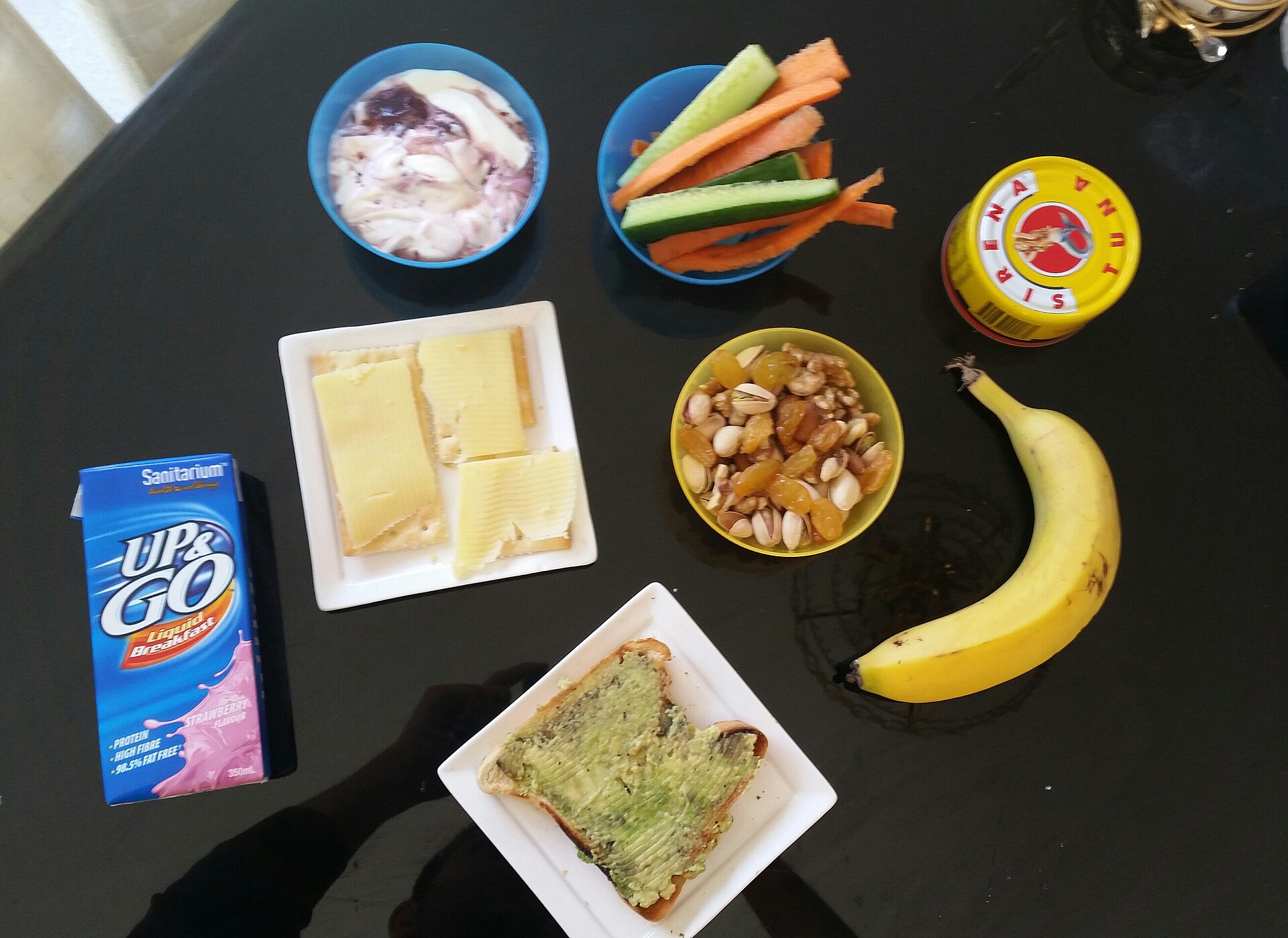
It is a familiar scene for many households. Dinner is finished, the plates are cleared, and yet thirty minutes later, someone is standing in the kitchen searching for food. Research indicates that approximately one-third of adults engage in this behavior regularly. The trend is even more pronounced among younger adults, with data showing that four out of five people aged 18 to 24 report snacking after their evening meal.
Biology and Hormones Drive Evening Hunger
The urge to eat late in the day is not simply a failure of willpower. It is driven by complex biological mechanisms. Professor James Betts, who studies how the body processes energy at the University of Bath, notes that appetite naturally peaks in the evening regardless of how much food was consumed earlier.
A primary driver is the hormone ghrelin, which signals hunger. According to Betts, ghrelin levels are generally higher later in the day. While meals can suppress this hormone, that effect is most significant after the first meal of the day. Lunch and dinner do not always trigger the same suppression, leaving the body primed for additional intake.

Dietitian Dr. Kristine Beaulieu adds that the brain’s reward system plays a critical role. As the day progresses, the desire for calorie-dense foods increases. This hedonic drive often overrides physical signals of fullness. People may crave high-fat or sugary foods not because they need energy, but because the brain seeks the pleasure associated with those tastes.
Habit and Environment Trigger Cravings
Environmental cues also shape eating habits. Professor Suzanne Higgs, an appetite expert at the University of Birmingham, explains that snacking often becomes a conditioned response. If a person regularly eats while watching television, the act of turning on the TV can trigger a craving for food.
This is compounded by the fact that distracted eating leads to higher consumption. When attention is focused on a screen or a book, individuals pay less attention to portion sizes and satiety signals. Additionally, some people snack out of fear that they will wake up hungry during the night, a concern that reinforces the habit.
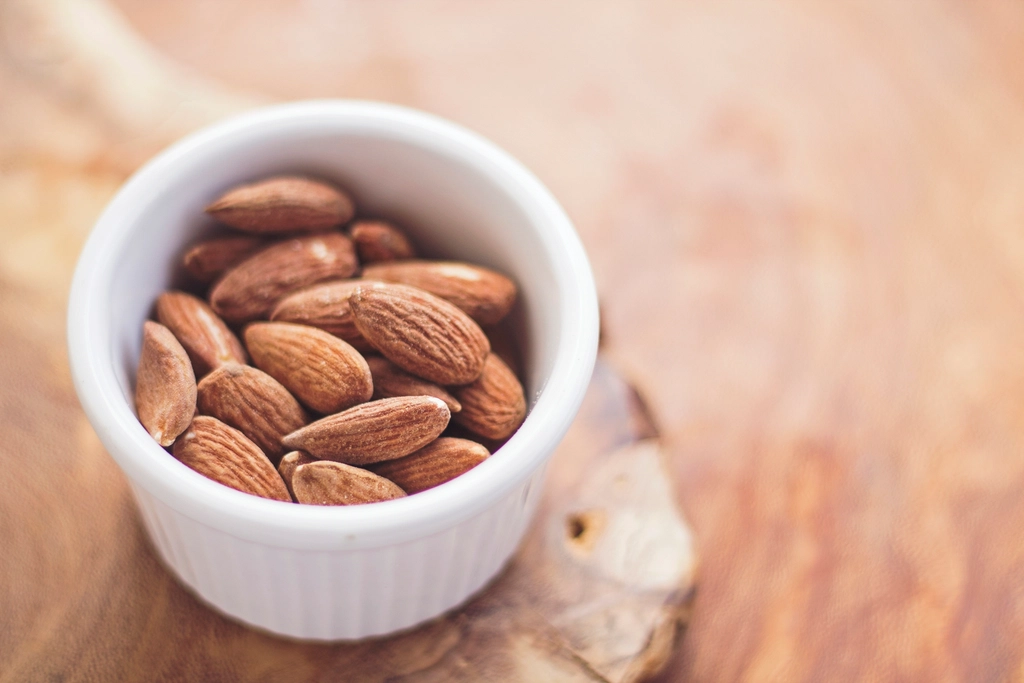
The impact of late-night eating extends beyond weight management. There is evidence linking refined carbohydrates and added sugars to poorer sleep quality. Foods like white bread, cakes, and biscuits can cause significant swings in blood sugar levels. These fluctuations may disrupt hormonal signals that regulate sleep and appetite.
However, the relationship between sleep and snacking is bidirectional. Professor Jonathan Johnston from the University of Surrey points out that sleep deprivation increases both appetite and the desire for energy-dense foods. This makes it difficult to determine whether late-night snacking causes poor sleep or if poor sleep leads to snacking.
Strategies to Manage Nighttime Cravings
Experts suggest that managing late-night snacking requires a combination of dietary adjustments and behavioral changes. Making earlier meals more satiating can reduce the likelihood of evening hunger. Meals rich in protein, fiber, and volume tend to keep people full for longer periods.

For those who snack out of habit, changing routines is essential. Planning snacks in advance and keeping healthy options visible can help. Dr. Beaulieu recommends keeping fruits, yogurt, and nuts readily available. She also notes that banning favorite foods entirely is often unsustainable. Allowing small portions of craved foods in moderation can prevent feelings of deprivation.
The key is to make the healthy choice the default. If unhealthy snacks are not present in the cupboard, people are more likely to choose the available healthy option. This approach acknowledges that biology is stacked against late-night eating, making environmental control a practical strategy for maintaining health and sleep quality.
Source: BBC
