


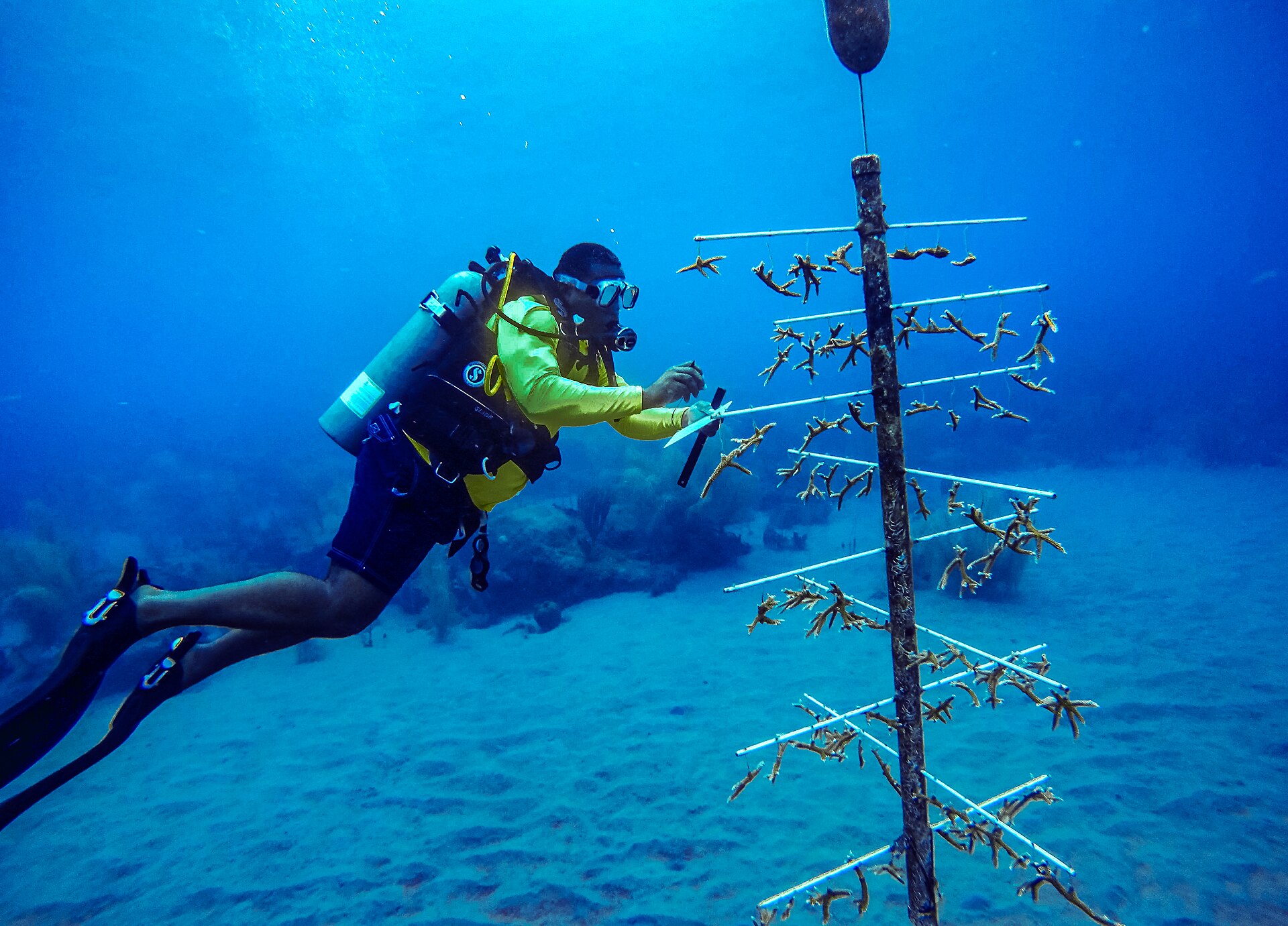
Travelers are increasingly seeking holidays that offer more than just sightseeing, with many choosing to participate in active conservation efforts. Recent reader submissions highlight a range of conservation tourism opportunities across the globe, from marine restoration in Tanzania to forest rewilding in Scotland.
Coral Restoration in Tanzania
At the Ropes of Hope project in the Mafia Island marine park, visitors can engage directly in coral reef restoration. The initiative, led by South African molecular biologist Jean de Villiers, allows tourists to assist in regrowing reefs rather than simply observing them. Participants stay in ocean-view tree houses and receive daily amenities like hot chocolate and cake. The educational impact of the program is significant, with one traveler noting that their teenager now studies sustainable development after the experience.
Rewilding in the Scottish Highlands
Trees for Life, a project founded 40 years ago, focuses on restoring the Caledonian forest in the Scottish Highlands. Volunteers spend weeks in remote bothies, living and cooking together while performing tasks such as planting trees and monitoring wildlife. The program operates in areas like Glen Affric, one of the UK’s largest wild native forests. Participants report that the lack of modern amenities, including wifi, allows for a deeper connection with the natural environment and the physical demands of the work.
Wildlife and Eco-Experiences Elsewhere
Other destinations offer unique ways to engage with nature. In the Netherlands, the Maashorst nature reserve features self-sufficient cabins designed to minimize environmental impact. Visitors can explore the area by bike or on foot, interacting with local livestock such as bison and goats. In South Tirol, the Rinner Hotel centers its operations around apiculture, offering guests api-wellness experiences and meals featuring organic honey. The hotel generates electricity from waste wood and sources food locally.
In Uganda, the Ziwa Rhino and Wildlife Ranch provides the only opportunity to see wild rhinos in the country. Visitors trek through the reserve to spot these endangered animals, with guides leading groups along designated paths. The experience is described as intense, with participants often getting muddy while observing rhino mothers and calves up close.
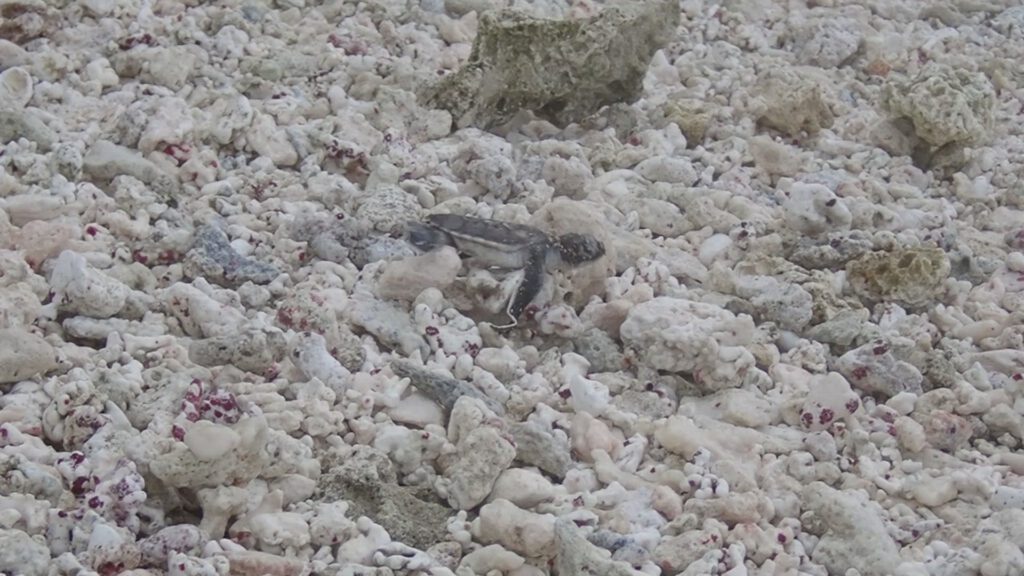
Smaller initiatives also make an impact. In Kotor, Montenegro, a recycling machine allows visitors to exchange plastic bottles for cat food for local feral cats. In Kent, Elmley Nature Reserve offers quiet observation of wildlife, including little owls, in a remote landscape. Meanwhile, in Italy, the Sea Turtle Recovery Centre in Brancaleone relies on volunteers to rehabilitate turtles, having saved over 700 animals since 2006.
These examples illustrate a growing trend in sustainable holidays where travelers contribute to local conservation efforts. Whether through hands-on labor, educational programs, or simple waste exchange, these trips allow visitors to leave a positive impact on the destinations they visit.
Source: The Guardian
