


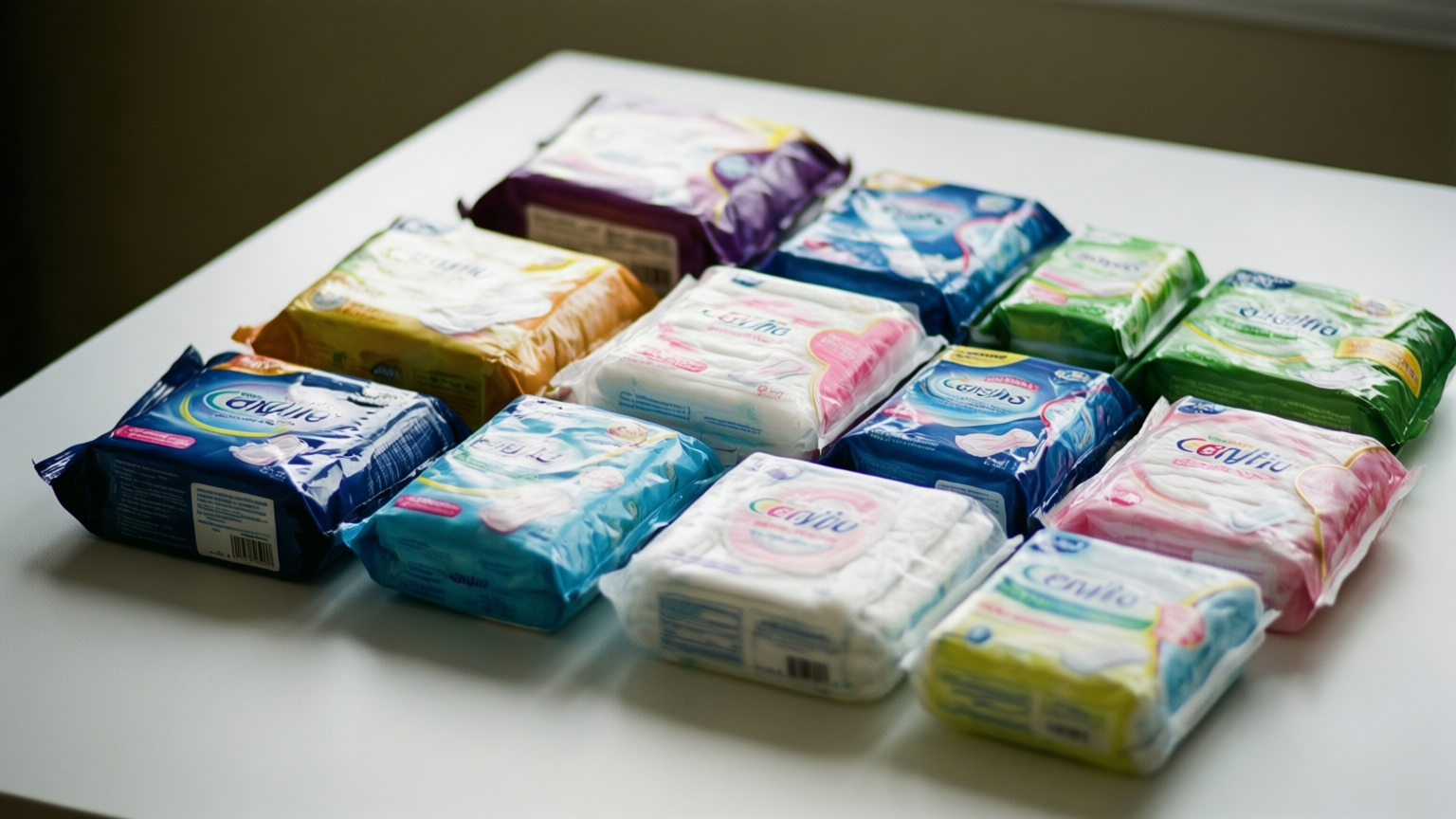
The Isle of Man has granted Royal Assent to the Period Products (Free Provision) Act 2026, a move that will make sanitary towels and tampons available at no cost to residents. The legislation, which classifies these items as basic health and hygiene products, is scheduled to come into force in October 2027.
Legislation and Implementation Timeline
The bill was originally introduced as a private members bill in 2024 by MHK Joney Faragher. While the grant of Royal Assent marks a significant legislative milestone, the actual rollout of the scheme will not begin until late 2027. This delay allows the Department of Health and Social Care time to establish the logistical framework for distribution.
Matt Tyrer, the public health director, emphasized that the goal is to ensure that financial background does not prevent anyone who menstruates from accessing necessary supplies. He described the products as essential rather than optional, noting that the scheme aims to prevent women and girls from missing school, work, or daily activities due to a lack of access.
Addressing Period Poverty
The initiative follows similar programs already established in Scotland and Northern Ireland. Advocates on the island have long campaigned for such measures to address period poverty. Rhian Evans, co-founder of the Manx Menstrual Movement, described the Royal Assent as a long time coming. Evans and Nicki Gaskell launched the movement in 2023 after discussing the basic right to access menstrual products.
Before the legislation was passed, the movement set up donation stations across the island and a pick-and-mix station at Douglas City Library. Evans praised Faragher for the work done behind the scenes to advance the bill. She noted that while the interim solutions were helpful, the new law highlights the persistent issue of period poverty on the island.
Evans stated that the organization believes anyone who menstruates should have access to these products regardless of their financial situation. She expressed hope that the pick-and-mix station model might continue in some form to support those in need.
Distribution and Product Selection
Public health officials are now tasked with determining the most sustainable and appropriate products to make available. Becky Rolwey, head of public health communities, said the organization would engage with the public to understand specific needs. She noted that while some products are inexpensive, they may not be sufficient for everyone.
The exact locations for distribution have not yet been finalized. Tyrer suggested that local authorities, schools, libraries, the Isle of Man Foodbank, and other charities could serve as collection points. The aim is to ensure that access is convenient and appropriate for all users.
Rolwey emphasized the importance of removing stigma, ensuring that individuals, including family members or friends, can access products without embarrassment. The department plans to spend the next year identifying the best methods for distribution before the October 2027 launch date.
Source: BBC
