


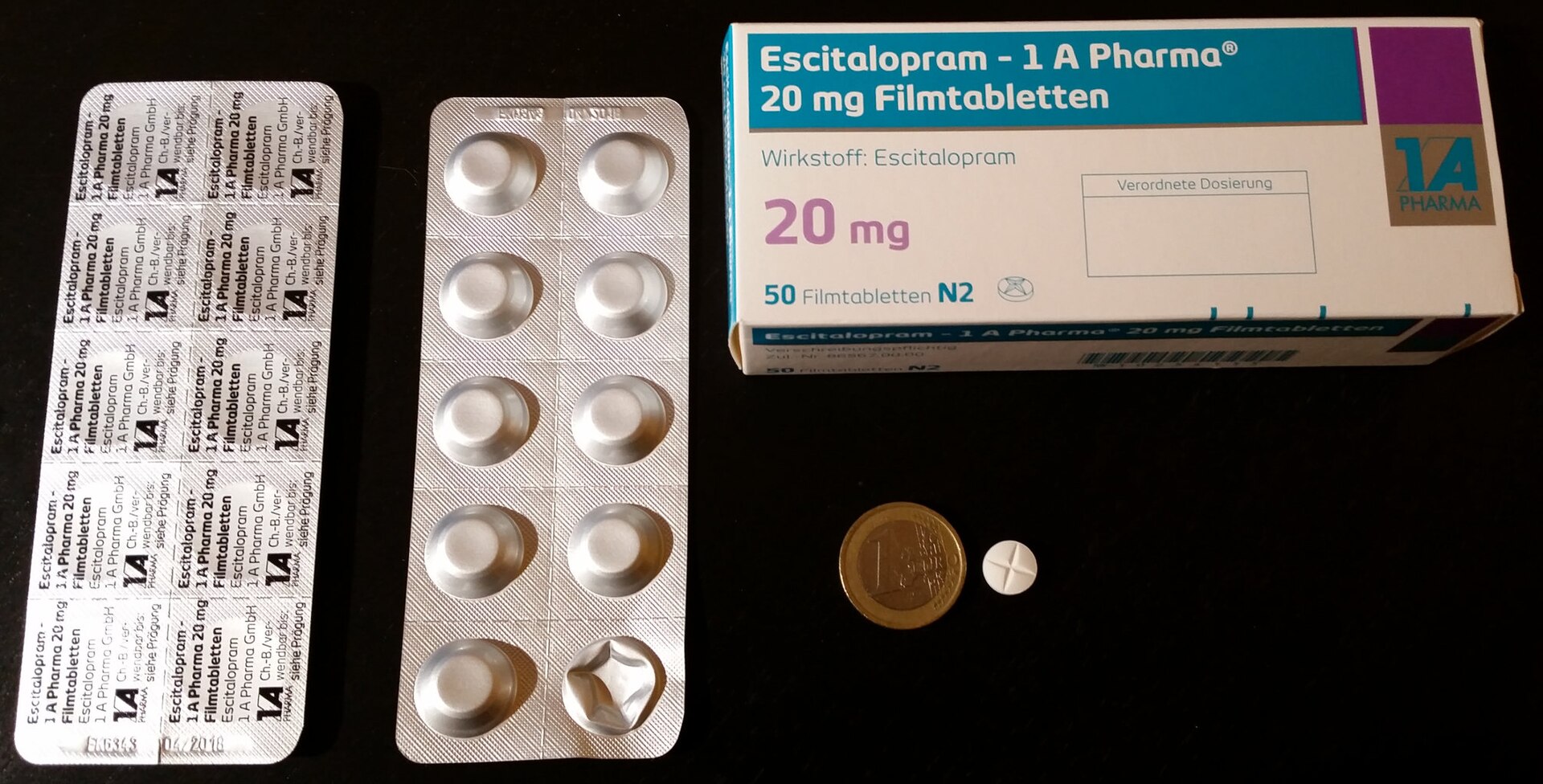
A large-scale analysis published in The Lancet Psychiatry has identified escitalopram as the most effective antidepressant for preventing relapse in patients with depression. The study, which reviewed data from nearly 10,000 individuals, suggests that this specific medication offers a slight advantage over other common treatments in keeping symptoms at bay over a one-year period.
Escitalopram leads in long-term outcomes
The research compared the effectiveness of more than a dozen widely prescribed antidepressants. While all the medications studied showed some level of efficacy, escitalopram ranked highest for maintaining patient stability. Agomelatine and duloxetine followed as the next most effective options, with fluoxetine, commonly known as Prozac, ranking just below them.
Researchers noted that patients taking escitalopram were more likely to see their symptoms improve and remain stable compared to those on other drugs. They were also less likely to stop taking their medication due to side effects or lack of perceived benefit. These findings align with current medical guidelines that recommend selective serotonin reuptake inhibitors (SSRIs) like escitalopram as a first-line treatment for depression.
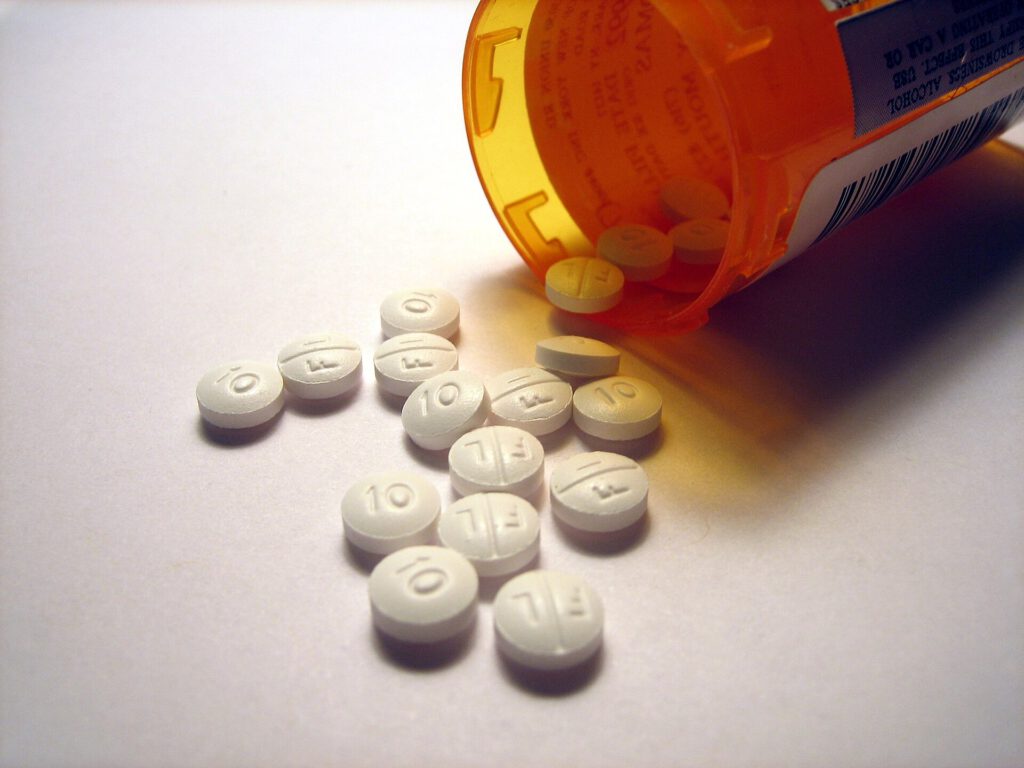
Depression affects approximately one in six people in the UK. Standard medical advice currently recommends that individuals remain on antidepressants for at least six months after their symptoms resolve, followed by a gradual tapering process to prevent a return of the condition. This new analysis provides further evidence supporting the long-term use of specific SSRIs to maintain remission.
Experts urge individualized treatment decisions
Despite the statistical advantage of escitalopram, medical experts emphasize that the differences between the top-performing drugs are modest. They caution against a blanket recommendation for all patients to switch to this specific medication. The choice of antidepressant often depends on individual factors such as previous treatment responses, potential side effects, and patient preference.
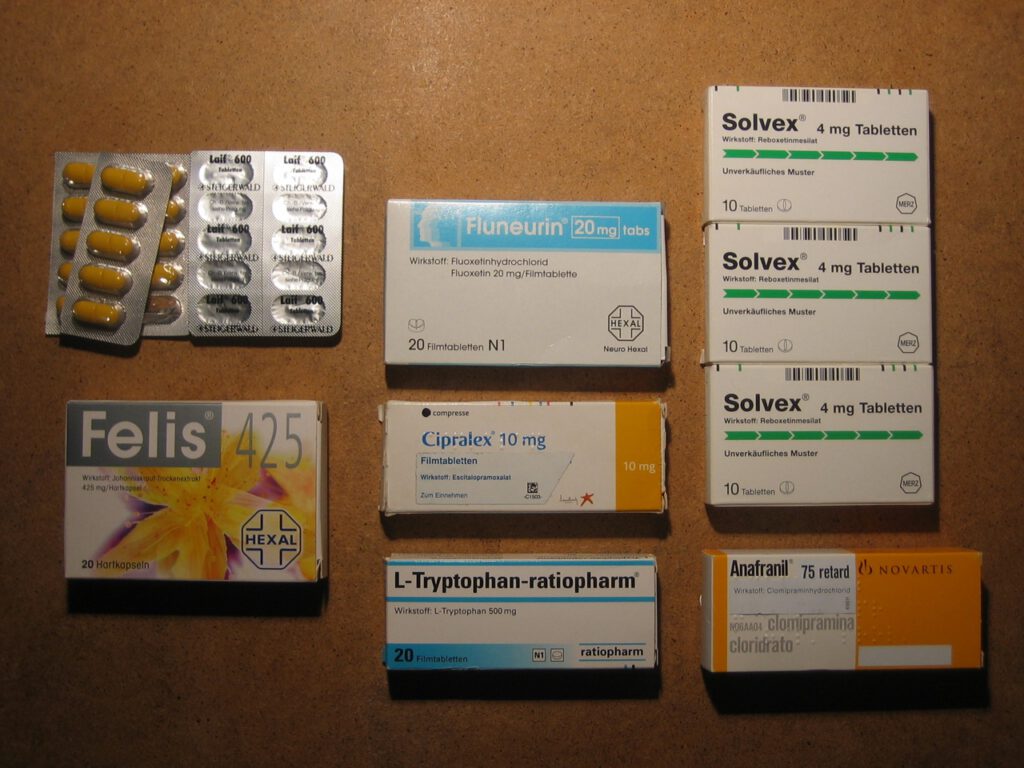
Prof Eric Ruhé from Radboud University in the Netherlands, one of the study authors, stated that the research is intended to help prescribers and patients make informed decisions together. He noted that if a patient starts an antidepressant, they should choose one that not only helps them recover but also keeps them well over the long term.
Dr Sameer Jauhar of Imperial College London added that the study cannot predict which antidepressant will work best for any single individual. He advised that patients who are currently responding well to their existing medication should not change their treatment based on these findings alone. Prof Allan Young from the Royal College of Psychiatrists agreed, noting that individual factors like side effects are likely to outweigh the small statistical advantages seen in the study.
Escitalopram, like all antidepressants, can cause side effects including sleep disturbances, constipation, and weight gain. The NHS notes that if an SSRI is ineffective or unsuitable, doctors may consider alternative classes of drugs, such as SNRIs. Older tricyclic antidepressants are now less commonly prescribed due to their side effect profiles.

The mental health charity Mind highlighted that many people need to try more than one medication before finding the right treatment. They emphasized the importance of clear information regarding benefits and side effects, alongside access to talking therapies and mindfulness support. The charity’s website provides resources to help patients compare different antidepressant options.
Source: BBC
