


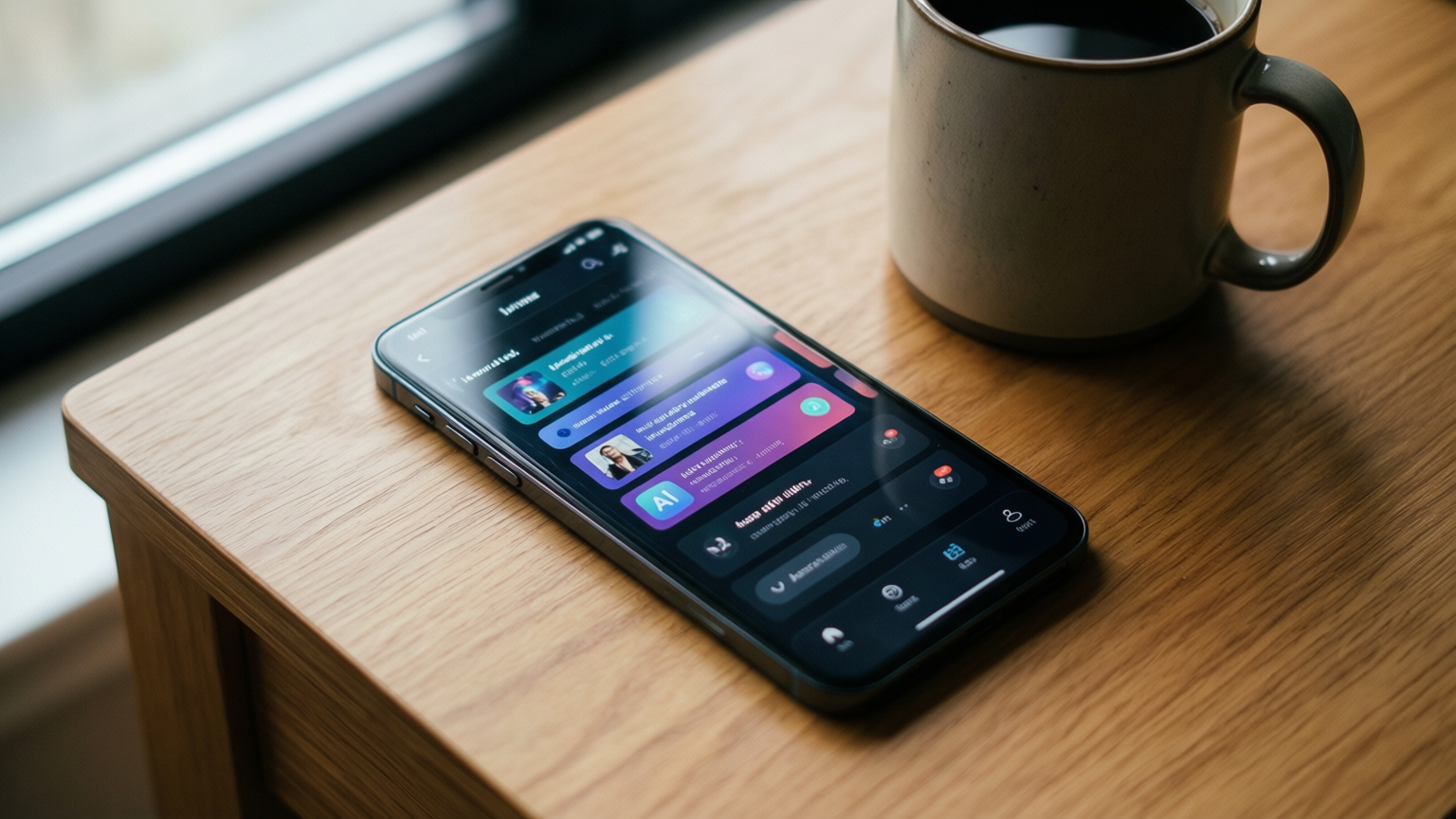
Integrating artificial intelligence into daily routines has long been a frustrating endeavor for many consumers. Early iterations of smartphone-based AI tools often felt clunky and unhelpful, leaving users with a negative impression of the technology. While large language models on desktops showed promise, they lacked the casual, intuitive interface needed for widespread adoption by non-technical users.
Recent developments have shifted this landscape. New chat agents are designed to be more proactive, friendly, and easier to use. After spending several months testing two prominent options, Meta Muse and ChatGPT Dots, I have decided to stick with the former. The decision comes down to accessibility, proactive capabilities, and cost.
Accessibility and Proactive Features
Getting started with Meta Muse requires minimal effort. Users with existing Meta accounts from Facebook or Instagram can begin immediately. The interface mimics a familiar messaging conversation, reducing the learning curve for new users. Customization is also straightforward, allowing users to create avatars that match their preferences without technical hurdles.
The most compelling aspect of Meta Muse is its ability to act proactively. Rather than waiting for specific commands, the agent can be set up to perform tasks throughout the day. For example, it can scour online marketplaces for specific items based on user-defined criteria, such as sorting by newly listed goods or Buy It Now prices. It can also scan email inboxes for important messages that might otherwise be missed in a busy daily flow.
This proactive nature extends to travel planning and event management. In one instance, the agent helped plan a road trip by selecting hotels within a set budget and suggesting stops along the route. It sends gentle reminders for upcoming events and provides preparation steps, though it currently directs users to reservation pages rather than completing bookings autonomously. The Feed and Idea sections provide a summary of past interactions and suggest new tasks, creating a cohesive hub for daily activities.
The Cost Barrier and Integration Depth
Any comparison between these two tools must address the pricing model. Meta Muse is currently free, with paid tiers only activating if users exceed their weekly usage limits. Most casual users do not reach these thresholds, making the tool effectively free. In contrast, accessing ChatGPT Dots requires a ChatGPT Pro subscription, which starts at $100 per month. This significant price difference heavily influences the value proposition for the average consumer.
ChatGPT Dots are undeniably powerful, particularly for heavy users who are already invested in the OpenAI ecosystem. The agent integrates seamlessly with ongoing projects and previous conversations, allowing it to manage complex workflows. For users working on technical projects, such as interfacing vintage hardware with modern systems, the Dot can automate data processing and push projects forward with minimal user intervention.
The flexibility of communication channels also differs between the two. While Meta Muse connects to WhatsApp, ChatGPT Dots support regular RCS messaging, offering an alternative for users who prefer standard text protocols. However, this versatility comes at a steep cost that excludes many potential users.
Verdict for Casual Users
For hardcore ChatGPT users who manage multiple complex projects and are already paying for the Pro plan, ChatGPT Dots offer a robust platform that can significantly enhance productivity. The ability to pull from a vast backlog of previous conversations provides an unfair advantage in terms of context and continuity.
However, for the majority of users, Meta Muse is the more practical choice. It provides a fun, user-friendly aesthetic and a low barrier to entry. The free model allows people to experiment with AI agents without financial risk, helping them determine if such tools fit into their daily lives. As generative AI continues to evolve, tools like Meta Muse are making it easier for consumers to get more done through natural language conversations, marking a significant step forward in consumer technology.
Source: Android Authority
