


A specially designed fiber supplement may offer a new path for managing irritable bowel syndrome (IBS) by supporting beneficial gut bacteria without triggering common digestive distress. Researchers at Edith Cowan University in Australia have tested a formulation that improved gut health markers while keeping symptoms like abdominal pain, bloating, and constipation stable.
The study, published in the European Journal of Nutrition, focused on individuals following a low-FODMAP diet. This dietary approach restricts certain carbohydrates to control symptoms but can inadvertently reduce beneficial gut bacteria and fiber intake over time. The new supplement, branded as ur gut, aims to bridge this gap by providing targeted nutritional support.
Resistant Starch and Psyllium Husk Combination
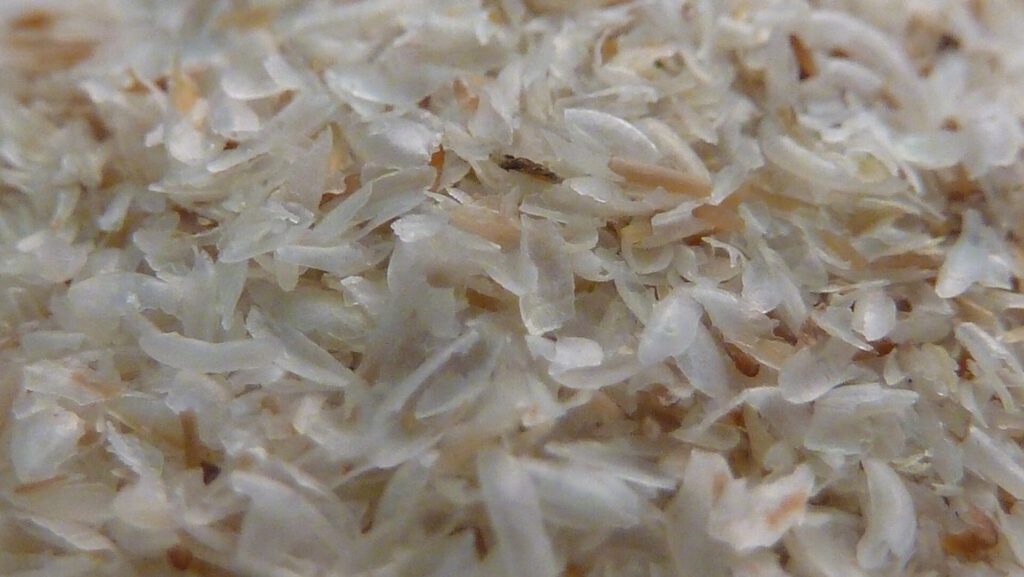
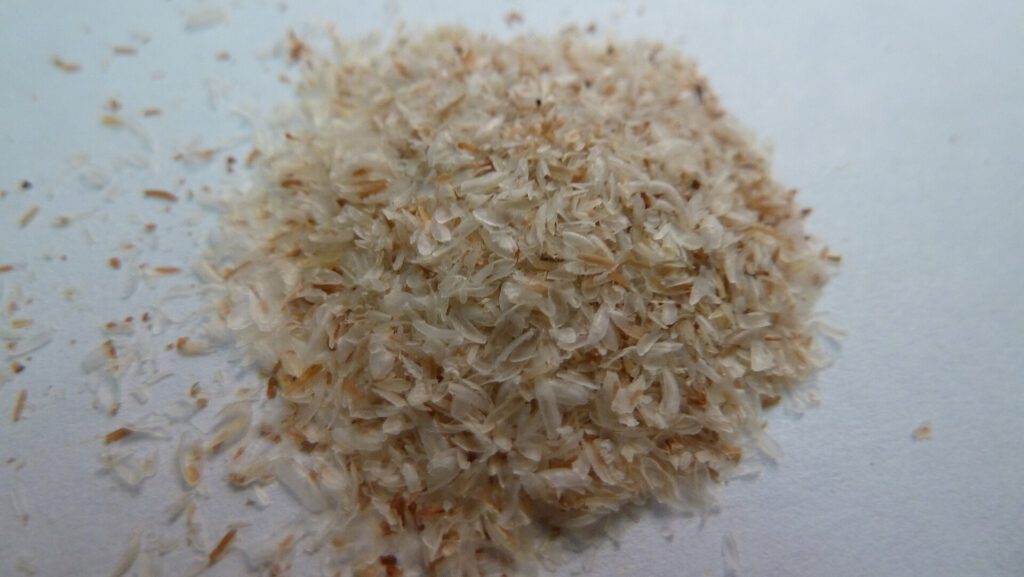
The supplement relies on a specific blend of resistant starch and psyllium husk. According to the research team, psyllium husk slows the breakdown of resistant starch by gut bacteria. This delay allows more of the starch to reach deeper sections of the colon before fermentation occurs.
Typically, fermentable fibers can be difficult for people with IBS because bacterial fermentation produces excess gas and increases digestive discomfort. The unique interaction between these two ingredients appears to allow the benefits of fermentation without aggravating these symptoms. Lead author Dr. Tina Yan noted that while low-FODMAP diets relieve symptoms, they can negatively impact fiber intake and beneficial bacteria.
“We wanted to find a way to build better gut health while following a low-FODMAP diet,” Dr. Yan said. The study demonstrated that participants maintained stable symptoms while showing meaningful improvements in their gut microbiota.
Microbiome Shifts and Anxiety Reduction
The intervention led to substantial shifts in the composition of participants’ gut bacteria. These changes occurred over a relatively short period, which researchers described as unusual for such dietary interventions. Co-creator Professor Amanda Devine highlighted that the targeted dietary fiber blend positively reshaped the gut microbiome in people with IBS.
Alongside the bacterial changes, participants experienced reductions in gut-related anxiety. This suggests the supplement’s potential benefits may extend beyond the digestive system, although further research is needed to establish these broader effects. The findings indicate that improving the underlying health of the gut is a viable strategy alongside traditional symptom avoidance.
“Our findings suggest we may also be able to actively rebuild gut health and the microbiome while not making IBS symptoms worse,” said Associate Professor Claus Christophersen, another co-creator of the supplement. He emphasized that this represents an important step forward in IBS care, moving beyond simply avoiding trigger foods.
The ur gut supplement is currently available for purchase. The research team has also released a cookbook featuring recipes designed to help people incorporate the supplement into a healthy diet. The study involved a randomized, double-blind control trial to ensure the reliability of the results.
Source: ScienceDaily
