


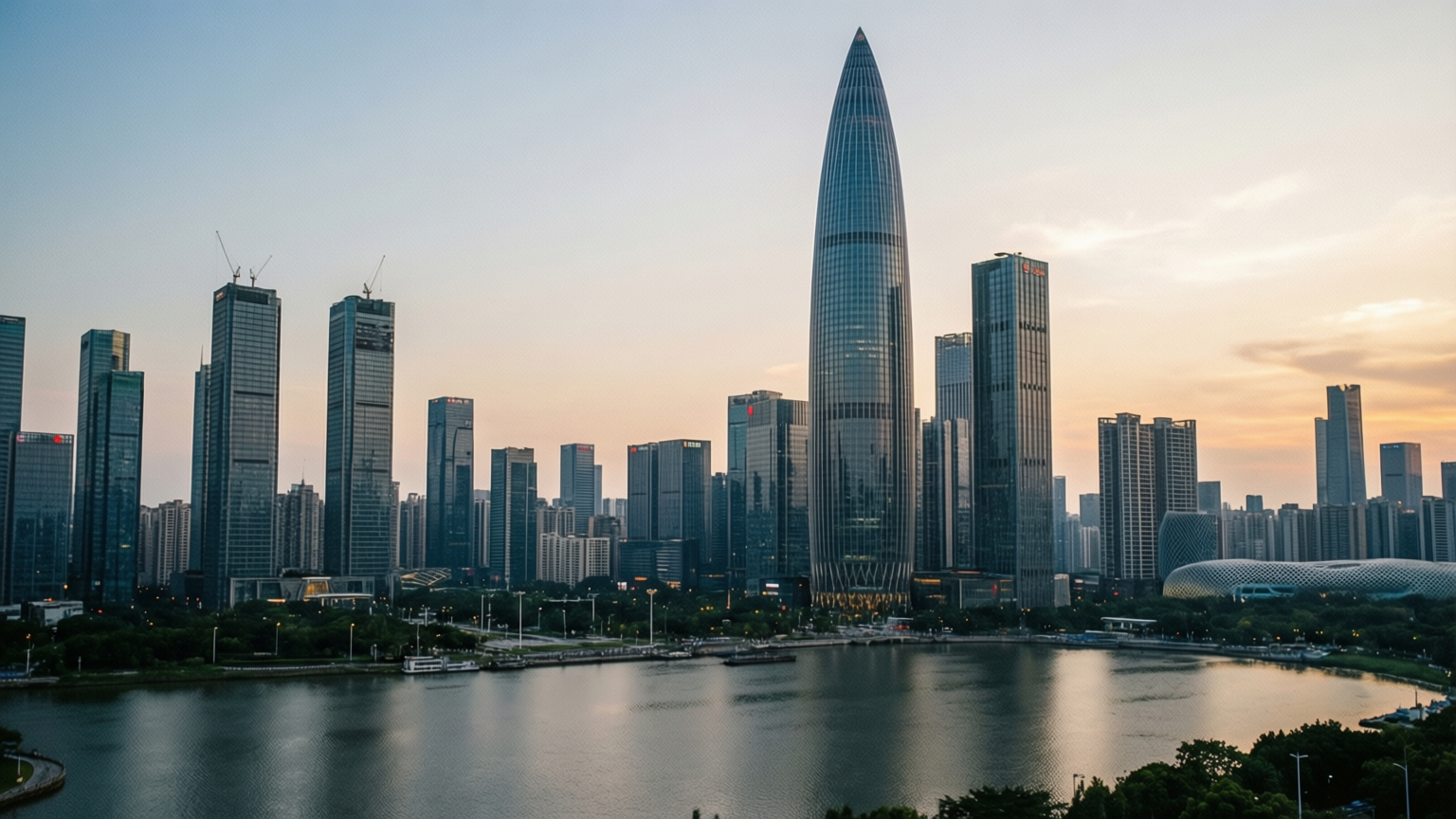
Ukrainian President Volodymyr Zelenskyy and other leaders from Eastern Europe, the Baltics, Taiwan, and Iran are expressing deep concern that a potential trilateral meeting between Donald Trump, Xi Jinping, and Vladimir Putin could result in a Yalta 2.0 scenario. The leaders are expected to meet on the sidelines of the APEC summit in Shenzhen, China, next week. Critics warn that such a gathering could lead to a geopolitical carve-up where smaller nations and their values are sidelined in favor of great power consensus.
Historical echoes of betrayal
The reference to Yalta points to the February 1945 conference in Crimea, where Franklin D. Roosevelt, Winston Churchill, and Joseph Stalin redrew the postwar map. Outside of Russia, the event is widely viewed as a cynical trade-off that sacrificed the sovereignty of nations like Poland to secure Soviet cooperation. The subsequent sense of shame in the United States and Europe stemmed from the perception that freedom was exchanged for stability, leaving a continent divided.
That historical narrative has shifted under the current U.S. administration. In his 2025 national security document, Trump explicitly endorsed sphere of influence geopolitics, a concept central to the original Yalta agreement. He identified the Western Hemisphere as the primary domain of the United States while remaining deferential to the spheres of influence claimed by Russia and China. This marks a significant departure from the post-World War II Republican tradition, which previously viewed such arrangements as a betrayal of small nations.
China as the arbiter of chaos
Both the United States and Russia are approaching the summit seeking China’s assistance to extricate themselves from conflicts that have strained their economies and political standing. Trump faces the aftermath of military overreach in Iran, while Putin remains entrenched in the war in Ukraine. In this dynamic, Xi Jinping assumes a role reminiscent of Stalin at Yalta, hosting two powers in need of his strategic guidance.
However, Beijing remains cautious about fully endorsing this arrangement. Chinese officials emphasize a policy of non-interference, with experts like Professor Minghao Zhao of Fudan University describing the wars in Ukraine and Iran as strategic mistakes by their respective leaders. China is currently focused on managing the consequences of these conflicts rather than actively resolving them. Dr. Wang Huiyao of the Center for China and Globalization argues that China is necessary to prevent a Kindleberger trap, a period of global chaos caused by a lack of leadership. He suggests China might offer guarantees in Iran to stabilize open waterways, which are critical for its energy needs.
Despite this, China is unlikely to take a strong stance on Ukraine. Beijing views the conflict as a European security issue and is currently working to repair relations with the European Union. China’s industrial overcapacity in 2025 threatened European deindustrialization, making any alignment with Putin’s vision of a new European security architecture politically dangerous for Beijing. Endorsing a settlement reached without European input would likely infuriate Germany and the European Commission.
Debate over a new world order
Russian officials have openly discussed the goal of creating a comprehensive security system in Europe that mirrors the structures established at Yalta or Potsdam. Vladimir Medinsky, Russia’s chief negotiator, stated on television that such a system could ensure peace in Europe for decades. Foreign Ministry spokesperson Maria Zakharova described the potential summit as a return from chaos to stabilization.
International relations experts are divided on the implications of this shift. John Ikenberry, a theorist of liberal internationalism, views the prospect of the U.S. president carving up the world with autocrats as anathema to democratic alliances. Conversely, Charles Kupchan of the Council on Foreign Relations argues that a new Yalta-style order is inevitable. He notes that the U.S. and its democratic allies are no longer the preponderant global coalition, with rising powers in the Global South playing the field between major powers.
Kupchan suggests that breaking the ice through direct conversation with autocracies is necessary, even if it carries the risk of abandoning allies like Ukraine or Taiwan. He credits Trump with initiating these difficult conversations, arguing that the world must learn to live with and work across ideological dividing lines. The upcoming summit in Shenzhen will serve as the first test of whether this new geopolitical reality can be institutionalized.
Source: The Guardian
