


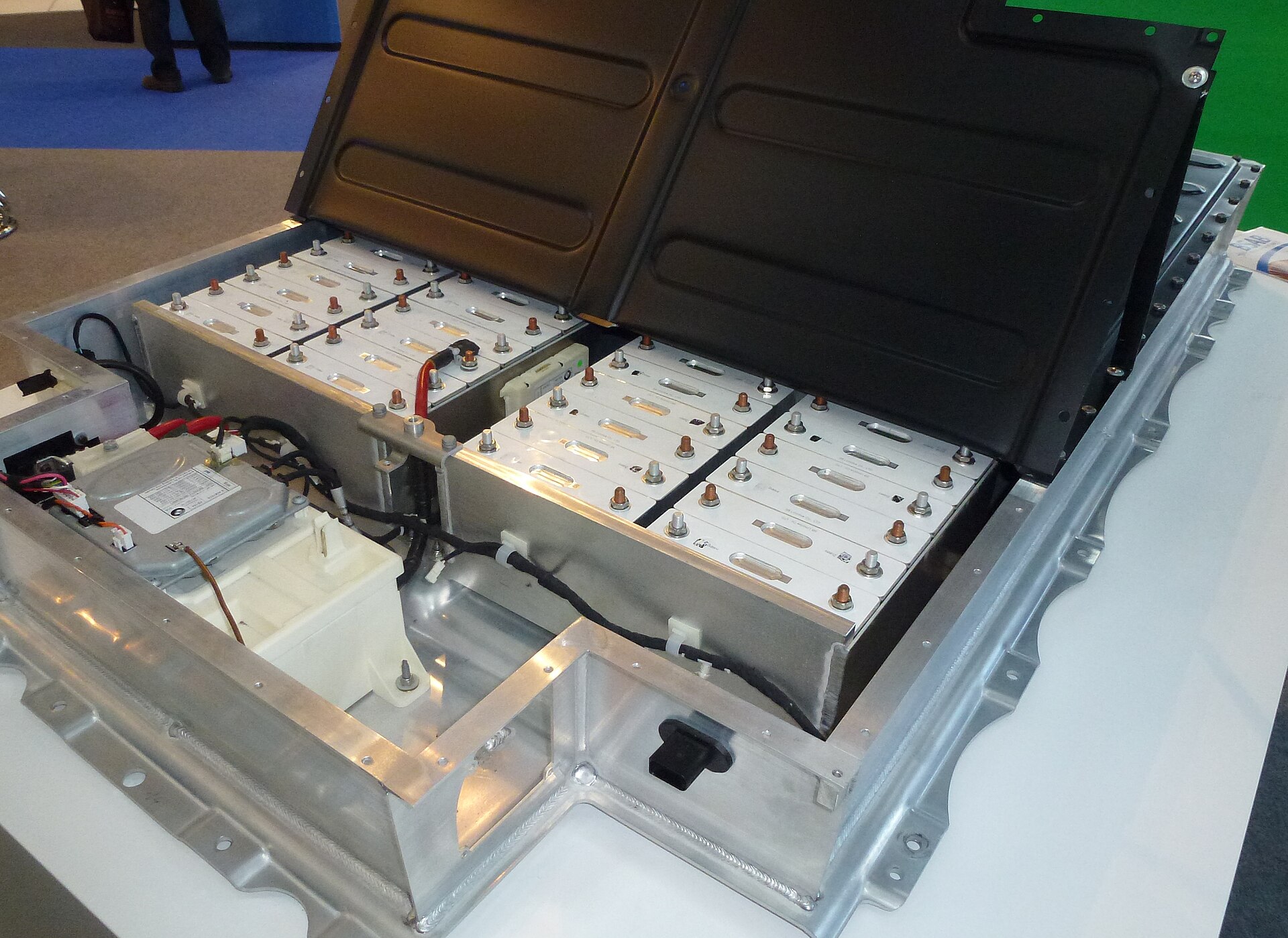
Sodium-ion batteries are transitioning from experimental technology to commercial reality, challenging the long-standing dominance of lithium-ion cells in the electric vehicle and energy storage markets. While the fundamental operation of both battery types remains similar, involving the movement of charged particles between electrodes, the shift to sodium introduces distinct advantages and limitations.
Energy Density and Physical Constraints
The primary drawback of sodium-ion technology is its lower energy density. Current sodium-ion cells store approximately 175 watt-hours per kilogram, which is roughly 20 to 30 percent less than comparable lithium-ion cells. For context, lithium-ion phosphate batteries reach 205 watt-hours per kilogram, while nickel manganese cobalt oxide variants push that figure to 255 watt-hours per kilogram.
This difference in storage capacity stems from the physical properties of the ions themselves. Sodium ions are larger and heavier than lithium ions, resulting in bulkier battery packs for the same energy output. Additionally, sodium-ion cells operate at lower voltages. These factors mean that while sodium-ion batteries are viable, they face significant hurdles in applications where weight and space are at a premium, such as in long-range electric vehicles.
Cold Weather Performance and Safety
Sodium-ion batteries excel in environments where lithium-ion cells struggle. According to the International Energy Agency, sodium-ion batteries retain 90 percent of their capacity at minus 40 degrees Fahrenheit. Lithium-ion batteries suffer significant capacity loss at similar temperatures. This stability makes sodium-ion cells particularly attractive for regions with harsh winters.
Safety is another area where sodium-ion technology shows promise. The cells generate less heat during operation and carry a lower risk of thermal runaway. This reduced heat generation means fewer protection systems are required, potentially simplifying battery management systems. While not fireproof, the inherent stability of sodium-ion cells suggests they may offer a safer option in the event of a vehicle accident.
Manufacturing and Supply Chain Dynamics
The appeal of sodium-ion batteries lies in the abundance of sodium, which is far more widely available than lithium. However, this abundance has not yet translated into mass production. Lithium-ion technology benefits from a massive head start in manufacturing infrastructure and supply chain organization. Although lithium is more expensive, its costs have not dropped low enough to justify a complete industry overhaul.
Several companies are already advancing sodium-ion production. CATL, General Motors, and Peak Energy are among those moving toward larger-scale commercial output. HiNa Battery Technology and Natron Energy, now operating as Draslovka, are also focused on automotive and data center applications. Despite these efforts, global sodium production in 2025 remains considerably lower than that of lithium-ion.
The path to widespread adoption is not straightforward. Sourcing other necessary components, such as nickel and manganese, remains a challenge. Supply chains do not develop overnight, and the established nature of lithium-ion manufacturing creates significant barriers to entry. Stationary energy storage offers a promising initial market, as grid-scale batteries do not face the same weight and size restrictions as electric vehicles.
The future of battery technology may not involve a total replacement of lithium-ion cells. Instead, sodium-ion batteries could fill specific gaps, such as extreme cold weather use or hybrid packs that allow lithium to handle high-energy tasks while sodium manages other functions. This complementary approach could provide consumers with more choices and drive innovation across the industry.
Source: Engadget
