


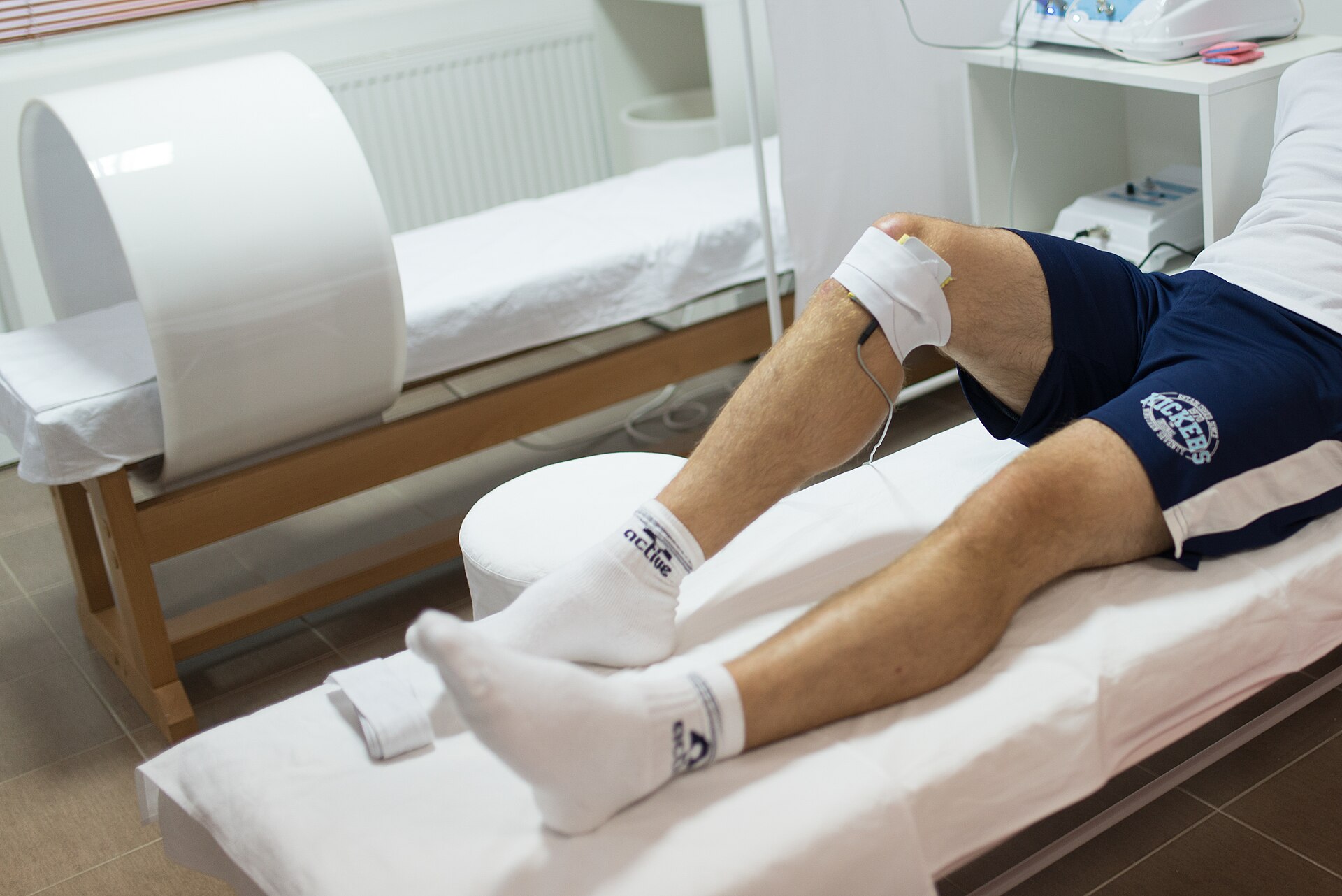
A new clinical trial led by researchers at La Trobe University suggests that supervised exercise and education can significantly improve knee health and reduce pain in young adults recovering from anterior cruciate ligament (ACL) reconstruction. The findings, published in the Annals of Internal Medicine, challenge the widespread belief that physical activity might damage vulnerable knee cartilage after surgery.
Supervised Exercise Improves Knee Health
The study, known as the SUPER-Knee clinical trial, enrolled 184 adults between the ages of 18 and 40 who were still experiencing knee symptoms one to three years after their operations. Participants were divided into two groups: one received a progressive four-month exercise therapy program under the guidance of a physical therapist, while the other received a single educational session.
Those who completed the supervised program reported improvements in knee health, muscle strength, and quality of life, along with less pain. Importantly, the researchers found no evidence that the exercises were damaging knee cartilage or worsening early signs of osteoarthritis. This outcome directly addresses a common concern among patients and healthcare professionals that exercise could harm already vulnerable knees.
Addressing Long-Term Recovery Challenges
Recovery from ACL surgery is often more difficult than expected. About half of patients remain dissatisfied with their knee health two years after the procedure. Furthermore, roughly half develop signs of early-onset knee osteoarthritis within a decade, often before reaching age 40. Medical guidelines recommend combining exercise rehabilitation with patient education, yet many people receive treatment that falls short of these standards.
Associate Professor Adam Culvenor, who led the research, emphasized the need for high-quality evidence to guide treatment for young people at risk of early-onset knee osteoarthritis. “Currently we don’t have any high-quality evidence for what treatments should be offered to young people at risk of early-onset knee osteoarthritis. Our SUPER-Knee study changes this, and addresses a globally recognized research priority,” he said.
The study did not establish whether the program prevents osteoarthritis over the long term. However, it demonstrated that supervised exercise can improve knee health without accelerating the cartilage damage or early osteoarthritis that researchers were monitoring. The intervention requires minimal specialized equipment or staff training, making it ready for use by local health professionals.
Personal Impact on Patients
Ruby Cumming, a participant in the trial, shared her experience of struggling with knee pain for years after tearing her ACL while playing Australian rules football in 2019. Despite undergoing reconstructive surgery within six weeks and continuing rehabilitation, she experienced varying degrees of knee pain every day for three to four years.
“I thought if I had the surgery and did the rehab I’d be able to get back to normal. After surgery impacted my entire life – not just footy – I changed my outlook and decided I wanted to avoid re-injuring my knee ever again so haven’t played contact sport since,” Cumming said. “Experiencing regular pain, not being able to walk, getting public transport to work and living independently all became really challenging for me.”
Her experience changed after she enrolled in the SUPER-Knee trial. “When I joined the SUPER-Knee program and did weekly physio-supervised rehab, this improved my pain significantly,” she said. The research suggests that people who continue to struggle after ACL reconstruction may benefit from additional structured rehabilitation, even years after their original injury.
The SUPER-Knee clinical trial received funding through a Project Grant from Australia’s National Health and Medical Research Council (NHMRC). The findings could influence how clinicians approach rehabilitation long after ACL surgery, particularly for patients whose symptoms continue beyond the usual recovery period.
Source: ScienceDaily
