


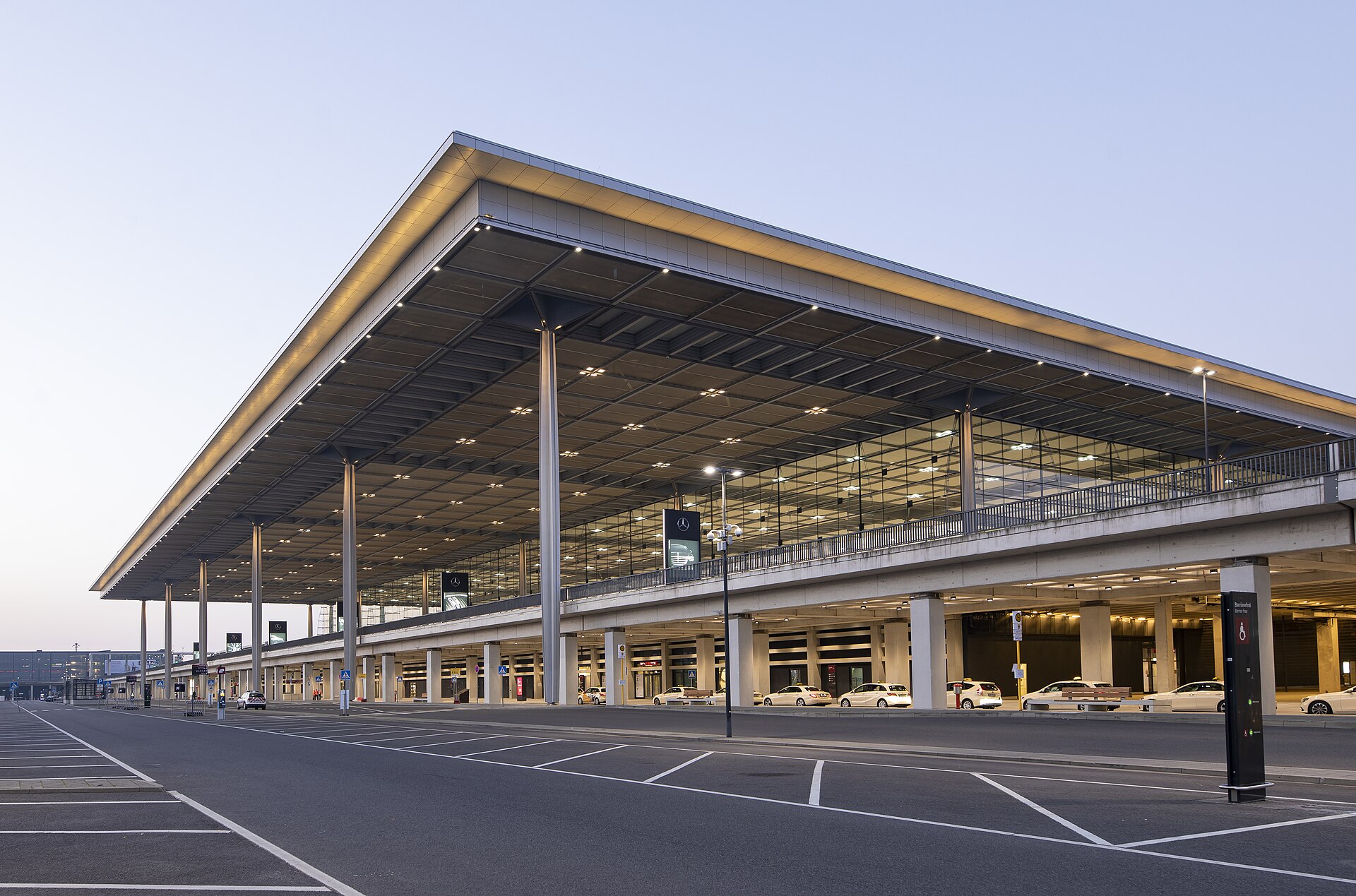
Riyadh hotels experienced a severe financial downturn in October, with revenue per available room (RevPAR) falling 65.1% compared to the previous year. The collapse in performance coincided with the closure of King Khalid International Airport, the city’s primary aviation gateway, which shut down following a deadly attack on October 10.
According to data from CoStar’s STR, occupancy in the Saudi capital dropped 34.7 percentage points to 34.3%. This figure represents one of the lowest occupancy levels recorded in 2026, surpassed only by March, which saw 28.3% occupancy. The average daily rate (ADR) also declined by 29.9%, settling at $190 per night.
King Khalid Airport Closure Halts Peak Season
The timing of the airport shutdown proved particularly damaging for the hospitality sector. October and November typically constitute the peak travel season for Riyadh. The attack on October 10 resulted in 13 deaths and over 300 injuries, prompting immediate closure of the facility.
Kostas Nikolaidis, associate account director for Middle East and Africa at STR, noted that the impact was amplified because the disruption occurred during the busiest period for the city. “October and November are usually the peak season months for Riyadh, so the impact is much bigger,” Nikolaidis said.
Flight cancellation data from Cirium indicates that 86% of scheduled departures from Riyadh were canceled between October 8 and late October. The disruption has persisted into November and December, with several international carriers suspending services well into 2027.
British Airways has suspended flights until January 11, 2027, while Cathay Pacific has halted operations through January 31, 2027. Etihad and IndiGo have also suspended services through the end of November. Delta Air Lines postponed the launch of its Atlanta to Riyadh route to March 2027. Saudi carriers have redirected some flights to Al Qassim Airport, located approximately 4.5 hours from the capital, while bus services have been increased to transport passengers into Riyadh.
Broader Impact on Saudi Tourism and Events
The instability has extended beyond aviation and hospitality. Security incidents have continued to affect the city, including a Houthi missile or debris strike on the Public Investment Fund tower. This marked the second major landmark in Riyadh’s financial district to be hit within two weeks.
High-profile events scheduled for the region have already been canceled. The Saudi Grand Prix, the Future Investment Initiative conference, and the Red Sea International Film Festival have all been removed from the calendar. These cancellations remove significant sources of international visitor demand that typically support the hotel sector.
Regional comparisons highlight the severity of the situation in Riyadh. Dubai maintained an occupancy rate of 68.4%, a decline of 16.5 percentage points year over year. RevPAR in Dubai fell 42% to $124, which remains nearly double the rate recorded in Riyadh. Within Dubai, luxury hotels maintained their rates but experienced the largest drop in occupancy, while upper midscale and midscale properties cut prices aggressively to maintain room sales.
The combination of airport closures, ongoing security threats, and event cancellations has stalled the recovery of Riyadh’s tourism sector. With major carriers remaining suspended and peak season demand evaporating, the city faces a prolonged period of reduced hospitality revenue.
Source: Skift
