


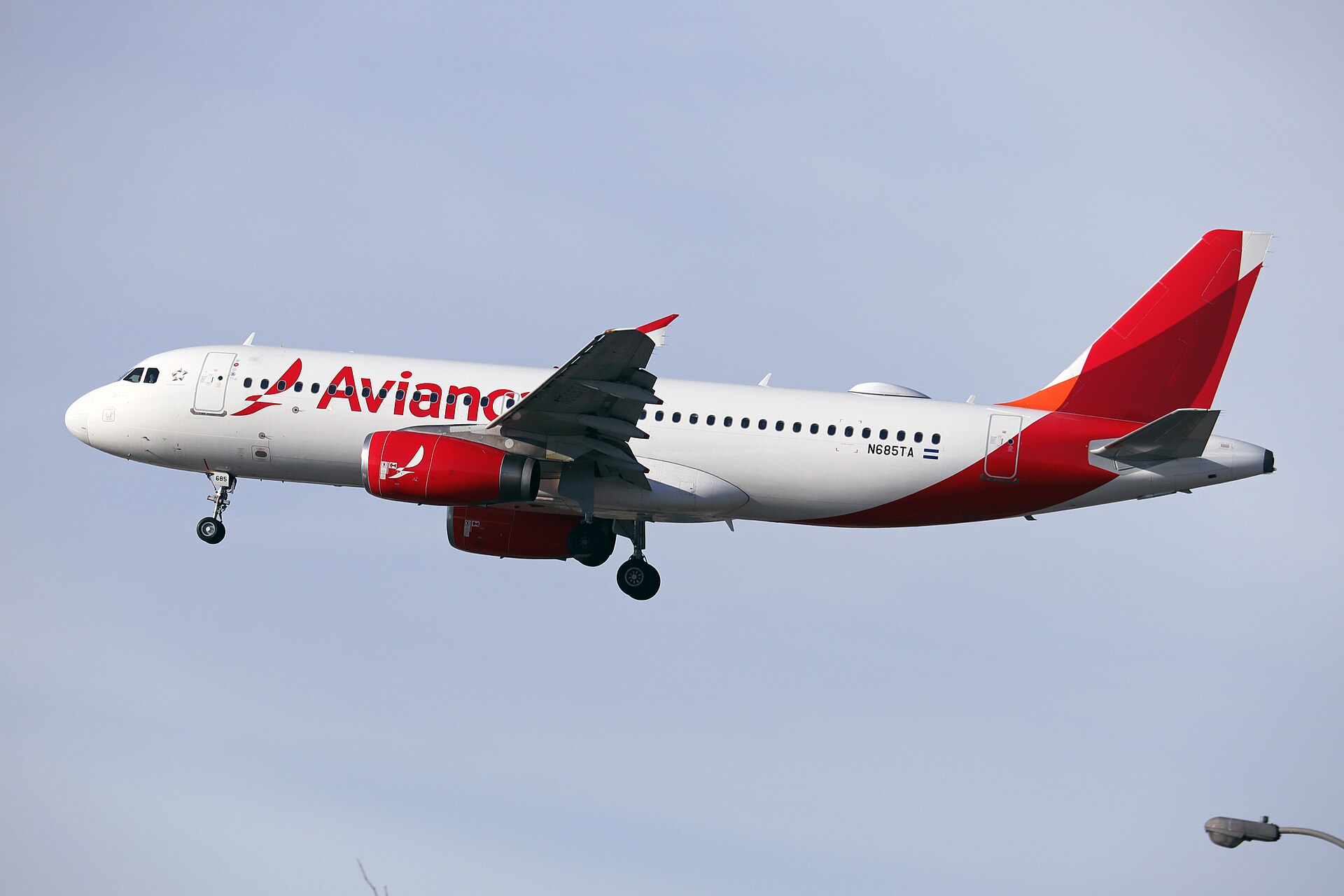
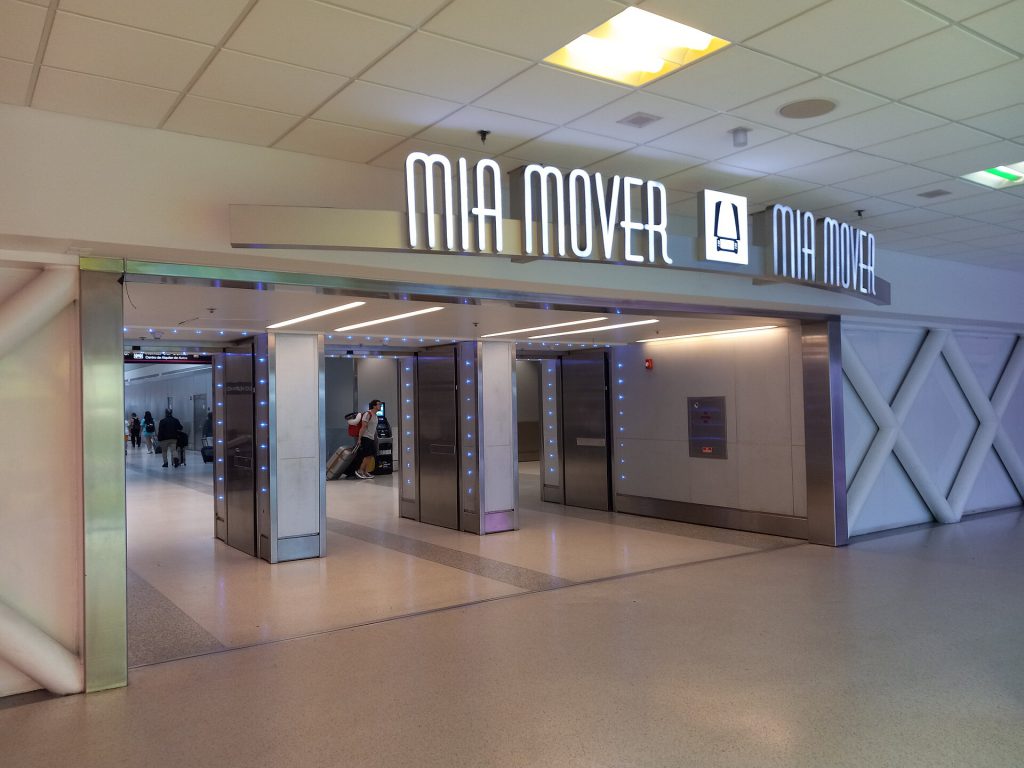
Avianca Flight 42 was forced to divert to Miami International Airport on Friday morning after encountering severe turbulence that injured nine people aboard the aircraft. The Airbus A320-200, traveling from Jose Maria Córdova International Airport in Colombia to John F. Kennedy International Airport in New York, landed safely at 3:24 AM local time in Miami to allow injured passengers and crew to receive medical attention.
Avianca Flight 42 Incident Details
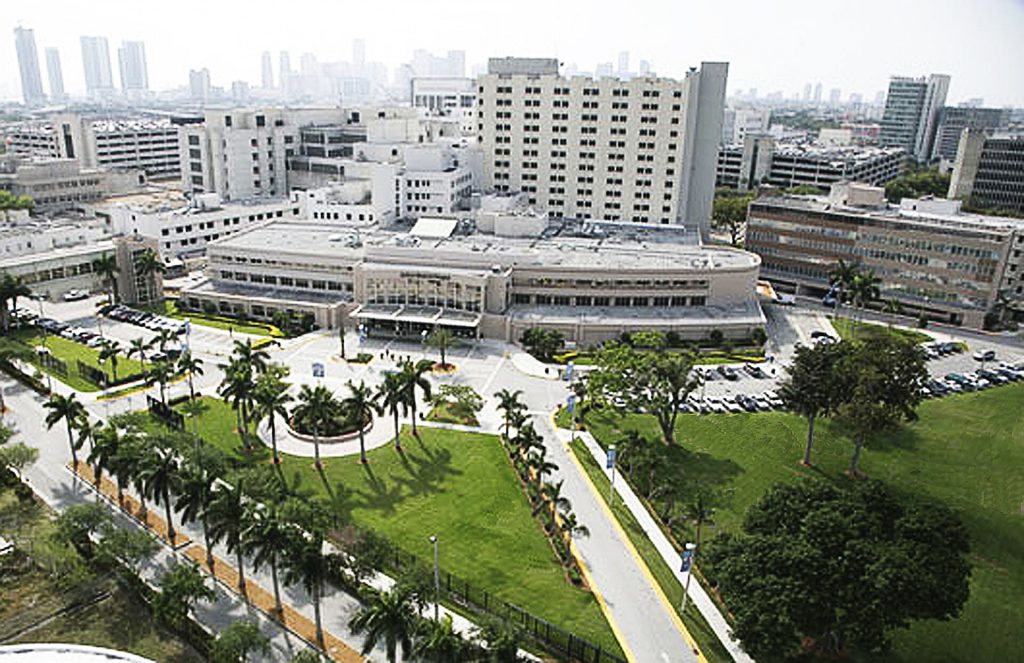
According to CBS Miami, Avianca confirmed that six passengers and three crew members sustained injuries during the incident. The Miami-Dade Fire Rescue department transported eight individuals to local hospitals. By Friday evening, Jackson Memorial Hospital reported that seven of those treated had been released. The status of the eighth patient, who suffered severe trauma, remained unconfirmed as of the evening report.
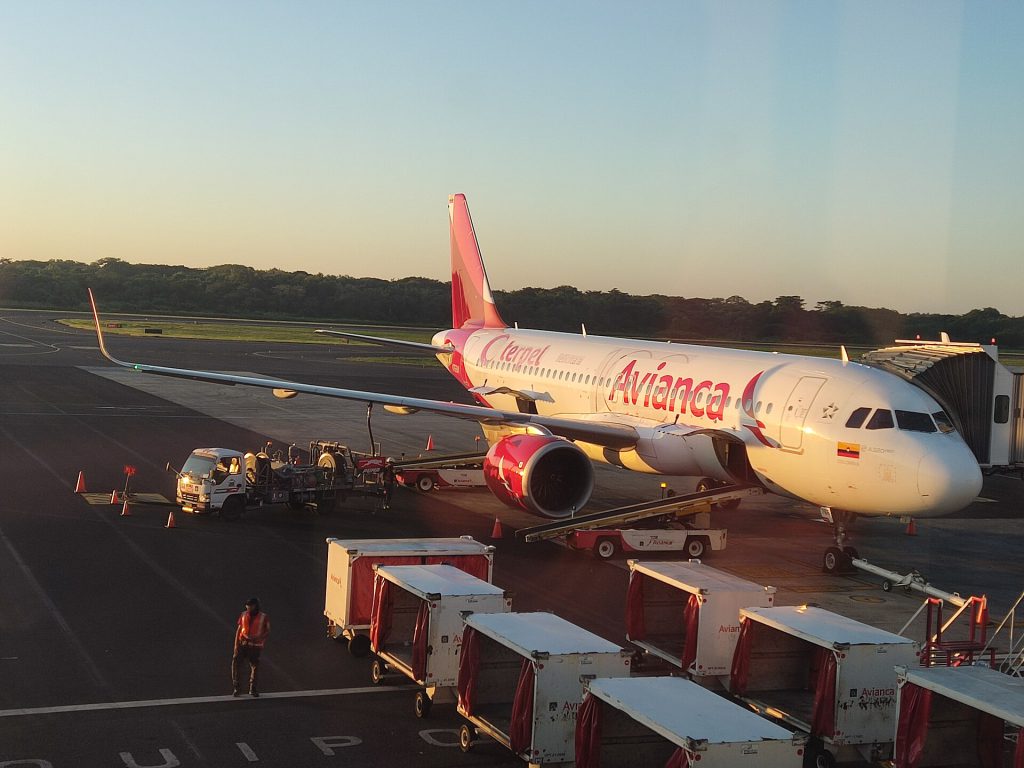
Flight tracking data from FlightRadar24 indicates the aircraft was cruising at 34,000 feet just south of Jamaica before climbing to 36,000 feet approximately two hours into the journey. This altitude change likely coincided with the encounter with turbulent air. The plane began its descent into Miami one hour later and touched down 45 minutes after that. The aircraft, registered as N207FR, eventually departed Miami at 8:35 AM and arrived at its final destination in New York at 10:50 AM.
Avianca issued a statement regarding the event, emphasizing their ongoing support for those affected. “Avianca remains in contact with the affected passengers and crew members as it continues to respond to the situation. The safety of our customers and employees is, and will remain, the foundation of our operations,” the airline stated.
Legal Framework and Compensation
Because the flight was an international route between Colombia and the United States, the incident falls under the jurisdiction of the Montreal Convention, also known as MC99. This 1999 international treaty establishes a modern framework for airline liability regarding passenger injury, death, and baggage issues.
Aviation attorney Pablo Rojas told CBS News that the Montreal Convention requires Avianca to cover medical care costs for injured passengers up to 100,000 Special Drawing Rights (SDR). The value of the SDR fluctuates based on the exchange rates of five major global currencies: the US Dollar, Euro, Chinese Renminbi, Japanese Yen, and British Pound Sterling. The treaty also sets strict liability limits for delayed checked baggage at 1,519 SDR, approximately 2,175 US Dollars, with claims needing to be filed within 21 days of the scheduled arrival.
Turbulence Safety and Injuries
Turbulence injuries often occur when passengers are not wearing seatbelts during sudden drops in altitude. The Federal Aviation Administration estimates that approximately 58 people per year suffer injuries from turbulence on US commercial flights. Common injuries include head and neck trauma, as well as fractures to the ankle, leg, or spine. Flight attendants are particularly vulnerable to these unforeseen events.
Video footage from the flight showed passengers using ice packs on their heads, illustrating the physical impact of the turbulence. Aviation experts note that while weather radar and pilot reports can sometimes predict rough air, severe turbulence can still occur without warning. The most critical safety measure remains keeping seatbelts fastened while seated, even when the cabin sign is off.
Source: Simple Flying
