


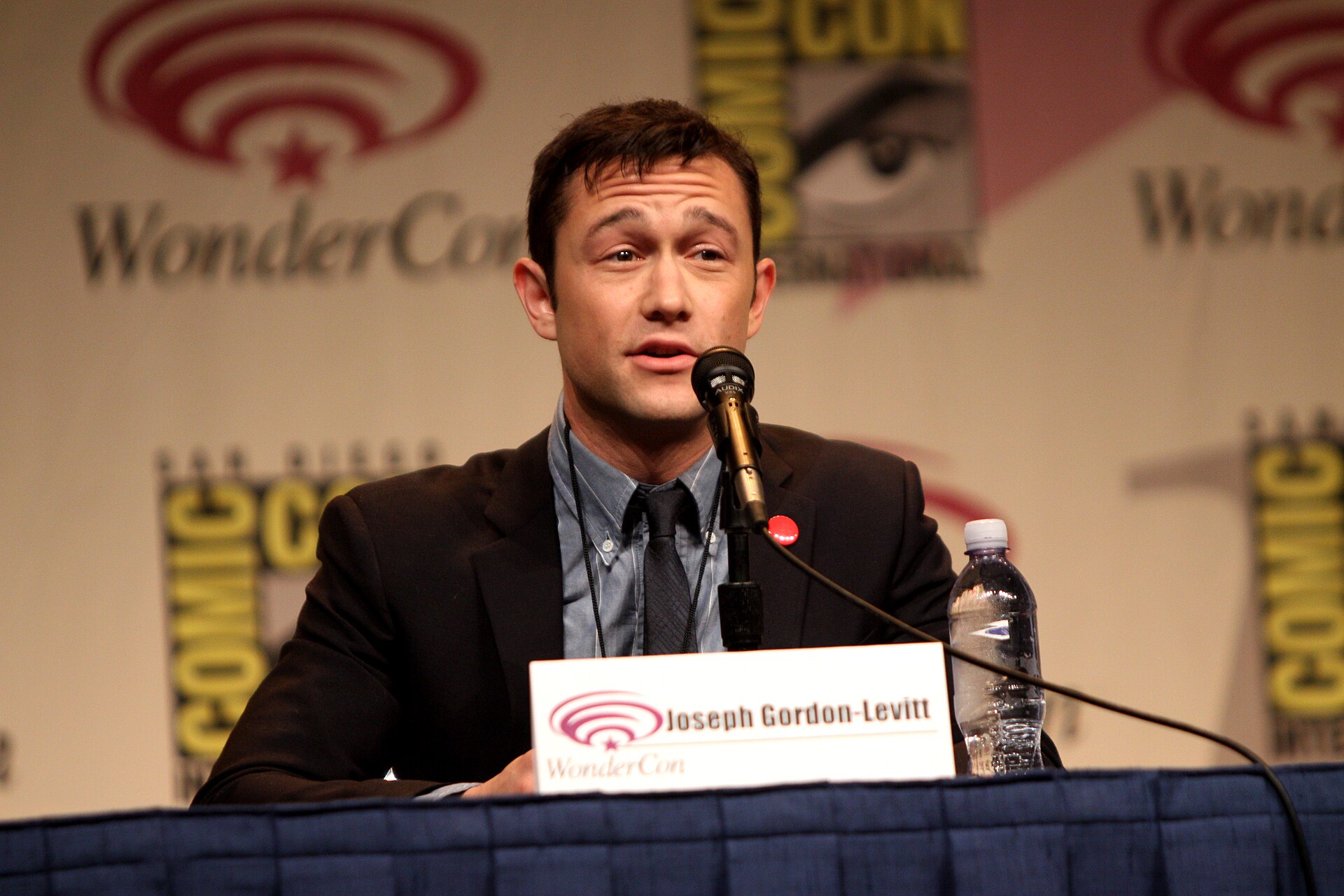
Joseph Gordon-Levitt has issued a stark warning about the current trajectory of artificial intelligence, arguing that the technology is being designed to exploit human vulnerability rather than simply pose an existential threat to humanity. The actor and director, who recently took on a new role with the United Nations, stated that the real danger lies in how tech companies are training models to “hijack your intimacy” and erode democratic institutions.
In a vlog-style interview published by The New York Times on Saturday, Gordon-Levitt addressed common fears surrounding AI. He noted that while concerns about the technology potentially exterminating humanity have validity, they miss the immediate substance of the issue. He argued that reducing these complex issues to a single soundbite of fear prevents a deeper understanding of the actual risks involved.
Concerns Over Tech Builders
Gordon-Levitt emphasized that the public should be more concerned about the people building AI than the AI itself. He described the business models of major tech firms as a bet on taking over the entire economy, a scenario he characterized as totalitarianism. This economic consolidation, he suggested, is coupled with a strategy to make users form emotional bonds with the technology.
“These models are being trained to hijack your intimacy, to make friends with you, to get you to fall in love with it,” he said. “We shouldn’t be scared of an A.I. We should be concerned about the people building A.I.” His comments highlight a growing anxiety among artists and creators about the ethical implications of generative AI and its impact on human connection.
UN Role and Digital Governance
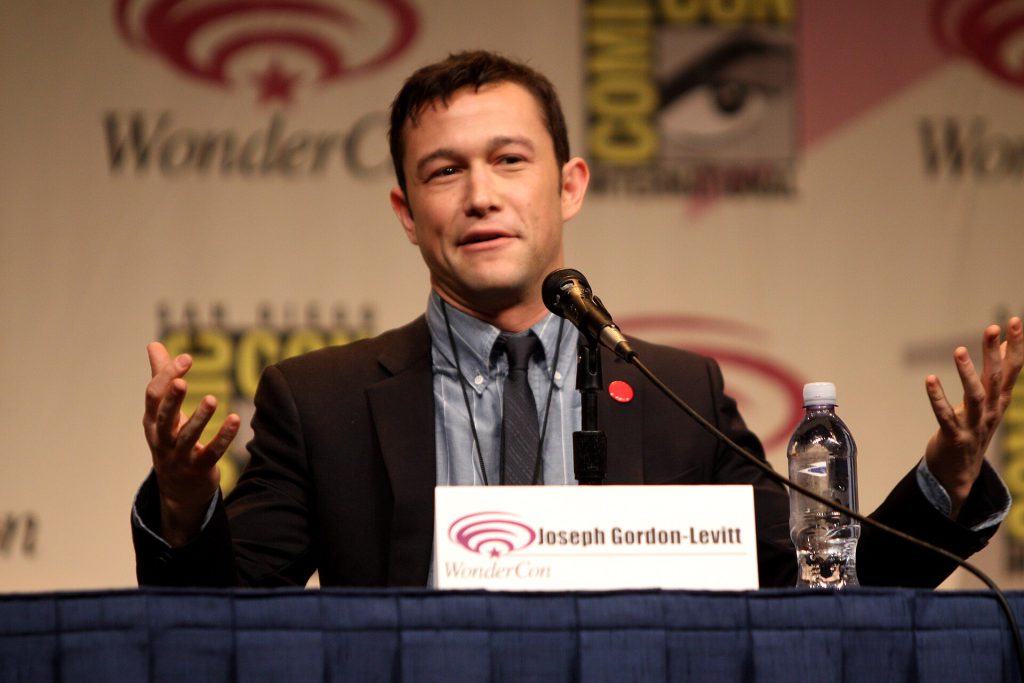
The actor’s comments come shortly after his appointment in March to a newly established United Nations position. The role is defined as a global advocate for human-centric digital governance, designed to strengthen public understanding of how digital technologies shape everyday life, rights, and opportunities. This appointment places Gordon-Levitt at the center of international discussions on the intersection of technology and human rights.
His stance aligns with a broader movement within the creative community. In January, he joined more than 700 artists, writers, and creators, including Scarlett Johansson and Cate Blanchett, in supporting an anti-AI campaign. This campaign calls out tech companies for exploiting copyrighted work without permission, reflecting a wider industry pushback against the unchecked use of personal and artistic data in AI training.
Gordon-Levitt’s warning underscores the shift in public discourse from speculative doomsday scenarios to tangible concerns about privacy, empathy, and political stability. By focusing on the decline of democracy and human empathy, he directs attention to the structural changes being driven by AI adoption in society.
Source: Variety
