


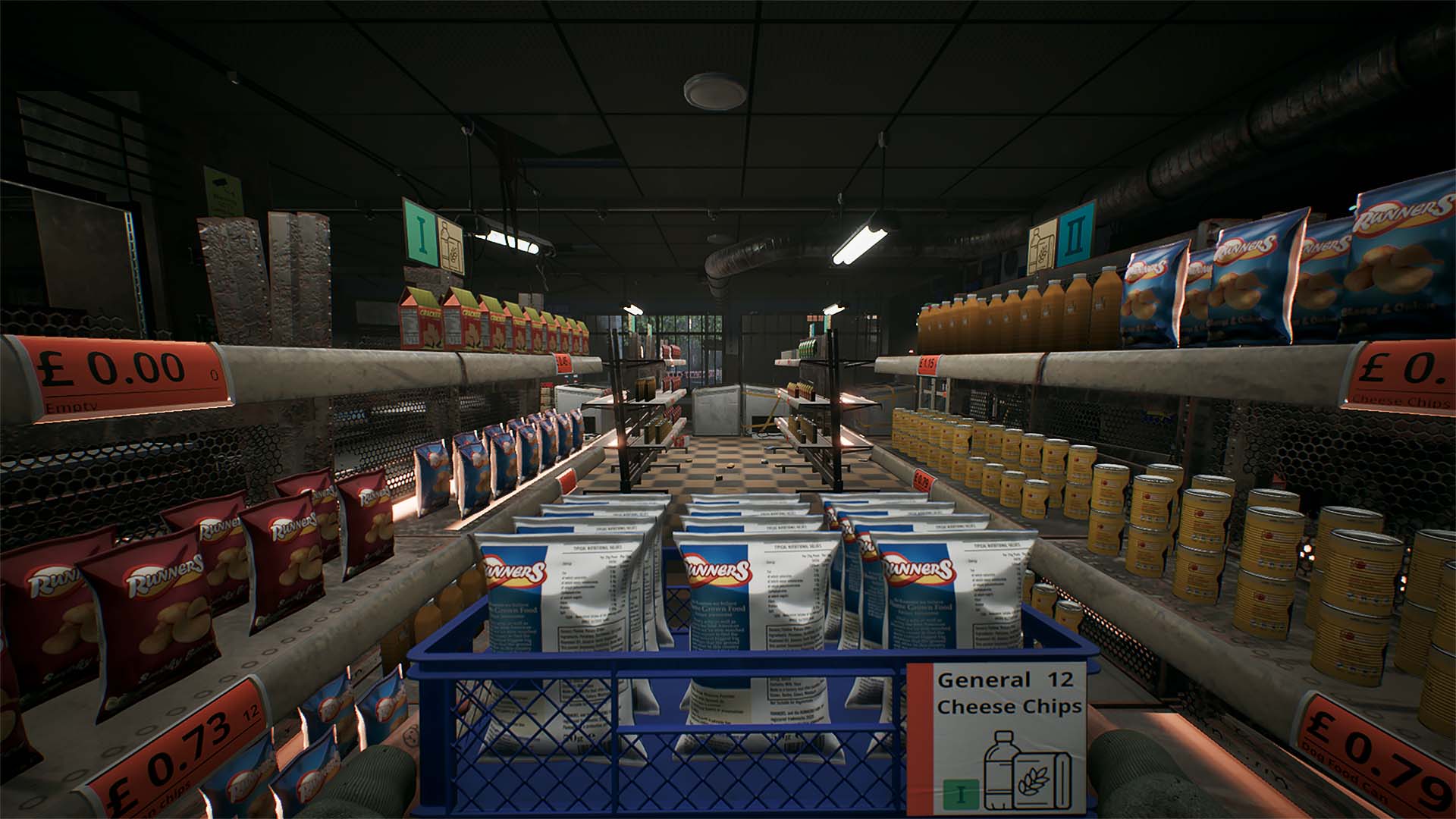
When players imagine psychological horror, they typically picture abandoned buildings, monsters, or dark corridors. The developers of Corner Shop: NightShift chose a different path. They built their horror around the ordinary life of a convenience store worker named Adam.
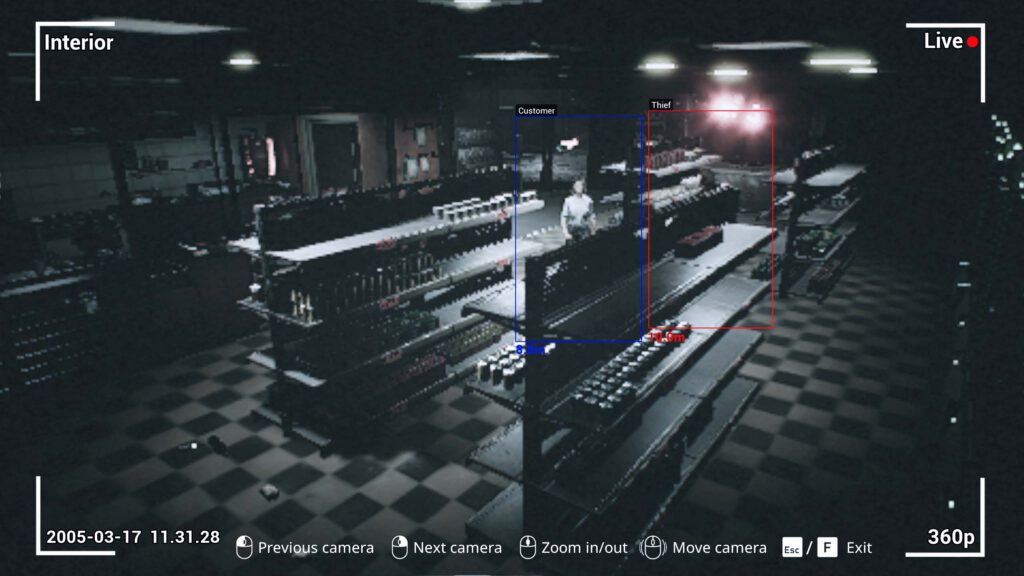
Adam works the night shift. His routine includes receiving deliveries, stocking shelves, cleaning floors, scanning groceries, and monitoring security cameras. These tasks are not frightening on their own. They are jobs that thousands of people perform every night. The horror comes from the contrast between this mundane work and Adam’s deteriorating personal life.
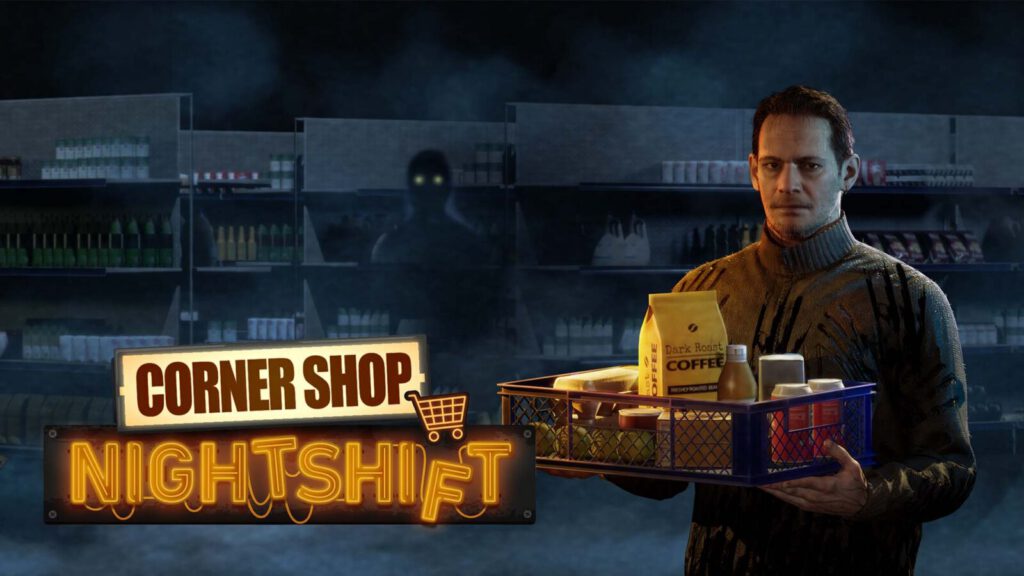
Ordinary Life Meets Mental Health Crisis
Adam is trying to maintain a normal job while his world falls apart. His marriage has failed, he has lost contact with his daughter, and his finances are in ruins. His mental health is declining, yet he must still show up for work. This disconnect is central to the game’s design.
The development team did not want Adam’s struggles to exist only in cutscenes. They wanted the gameplay to reflect the reality of people dealing with serious mental health issues. These individuals often continue to work, talk to customers, and pay bills while facing internal chaos. The store does not stop because Adam is having a bad night.
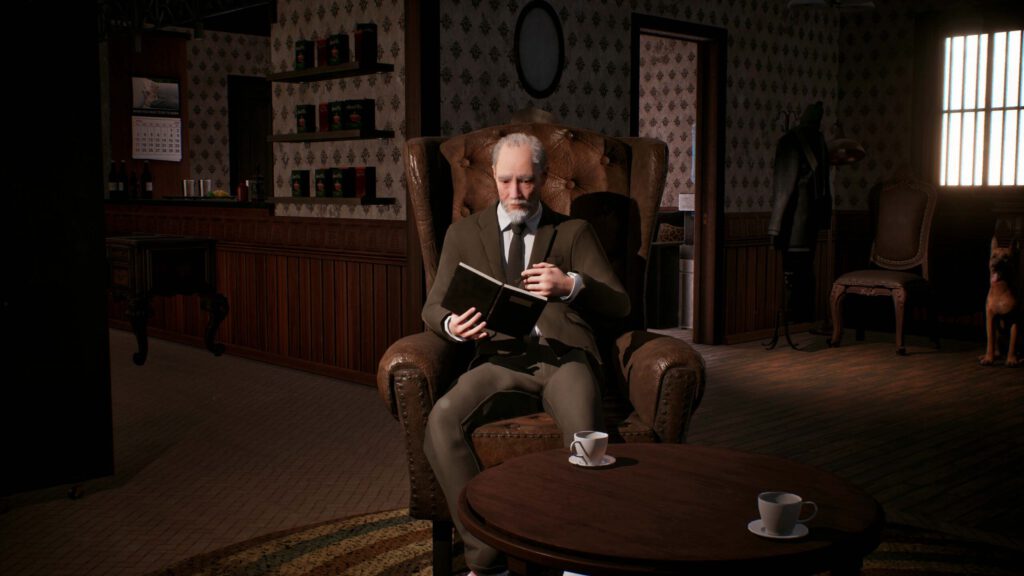
During development, the team consulted psychologists and family specialists. This input was crucial for scenes involving Adam’s therapist and his wife. The goal was not to create a medical textbook, but to ensure the dialogues sounded like real people. Adam is not just a collection of symptoms. He is a tired, angry, and sometimes funny person who makes both good and bad decisions.
Simulation as a Narrative Tool
The game retains a strong simulation element. Players must manage the store, serve customers, and handle deliveries. Security systems like cameras and alarms can be upgraded. Money matters, and Adam’s choices have consequences. As the story progresses, these ordinary systems blend with the psychological horror.
A security camera is useful for protecting the store, but it can also make the player question what they saw. Working longer shifts provides necessary money, but exhaustion takes a toll. Finishing another shift can feel like a significant achievement. The simulation does not pause for the story. The story becomes part of the simulation.
There are dark events in the game, including blackouts, alarms, and disturbing customers. However, Adam is often unsure if these events are real or products of his stress. This uncertainty creates tension. The frightening part is losing confidence in your own situation while still being expected to function normally.
Players make choices throughout the game that influence what they discover and which of the four endings they reach. The developers noted that you cannot magically solve every problem Adam faces. This reflects the real human experience of dealing with complex issues. The horror works best when the strange elements are surrounded by something completely familiar.

Corner Shop: NightShift is available now on Xbox Series X|S and PC with Xbox Play Anywhere support.
Source: Xbox
