


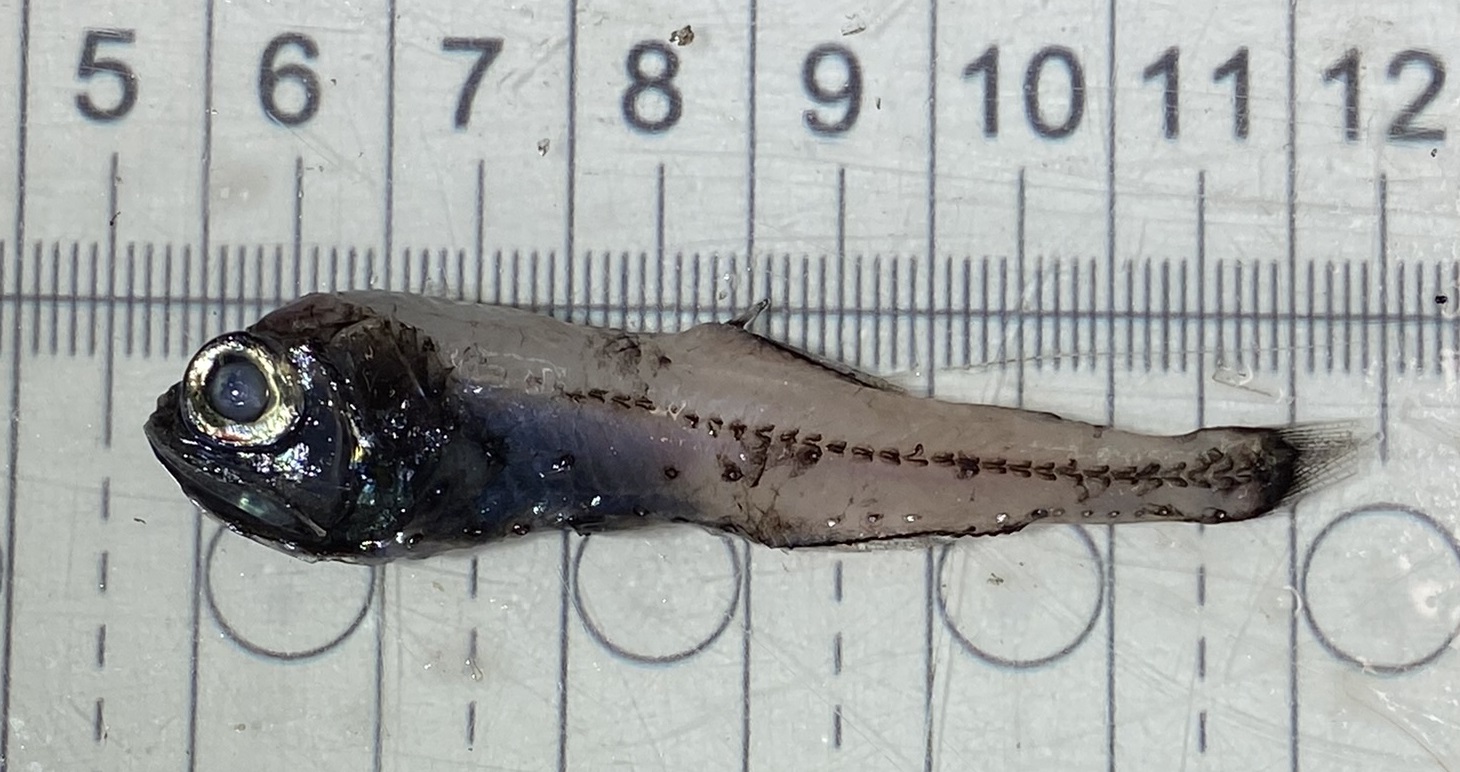
Marine animals living hundreds of meters below the surface of the Gulf of Mexico are facing a greater risk of extinction than previously understood, according to new genetic research. The findings challenge the long-held assumption that the deep ocean serves as a natural sanctuary where life is protected from environmental threats.
Scientists from Florida International University (FIU) analyzed 12 years of genetic data to assess the health of five marine species. The study focused on three types of lanternfish and two species of deep-sea shrimp. The results indicate that these populations are losing the genetic variation necessary to adapt to changing conditions, a key factor in species survival.
Genetic Decline in Deep-Sea Species
The research team examined DNA from 486 specimens collected between 2011 and 2023. Every species studied displayed genetic characteristics associated with a higher risk of extinction. One specific lanternfish species, Diaphus dumerilii, experienced an approximately 8% reduction in genetic diversity over the 12-year period. This rate of loss matches or exceeds declines recorded in some threatened and endangered animals over much longer timespans.
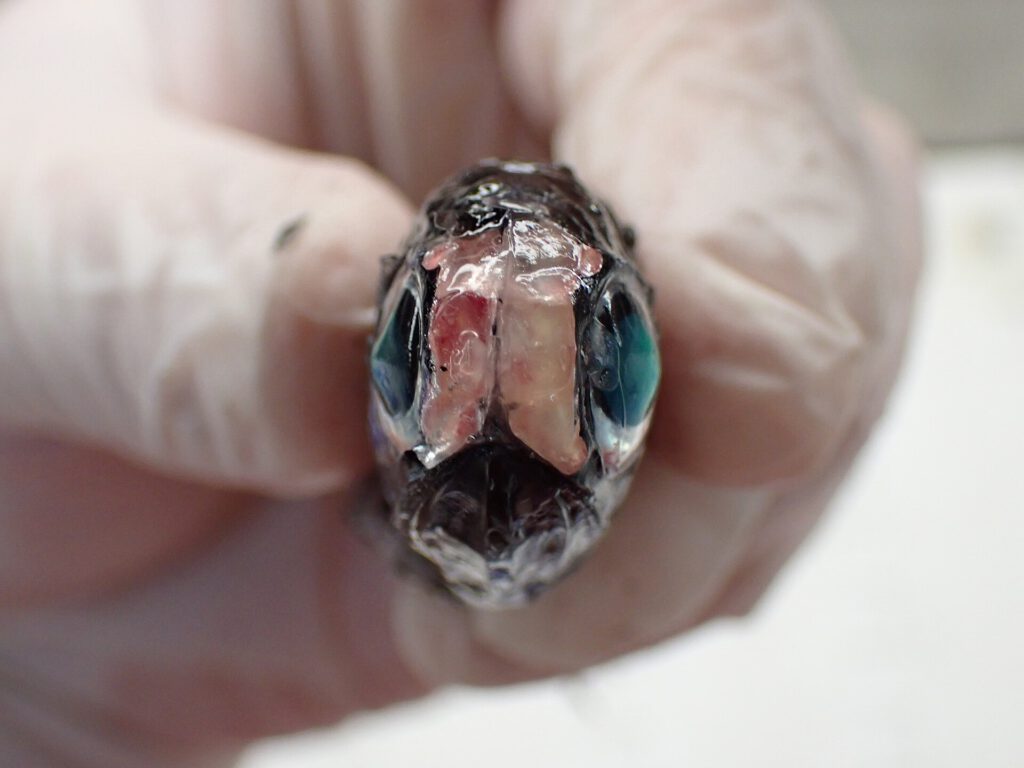
All five species also exhibited relatively small effective population sizes. This metric does not necessarily mean the animals are scarce in number. Instead, it suggests that only a limited proportion of individuals are passing their genetic information to subsequent generations. This bottleneck reduces the overall genetic health of the population.
“This challenges the idea that deep-sea species are naturally more resilient because they occupy such vast environments,” said Pedro A. Peres, a marine scientist at FIU and lead author of the study. “It shows how much we can miss when we look only at population abundance without considering their genetic diversity and long-term viability.”
Climate Projections and Oil Spill Impacts
Heather Bracken-Grissom, assistant director of the Institute of Environment’s Coastlines and Oceans Division at FIU, emphasized the role of genetic variation in species survival. She noted that genetic diversity provides the variation populations need to adapt to changing conditions, resist disease, and recover from environmental disturbances. When that diversity disappears, a species can lose the ability to withstand future threats.
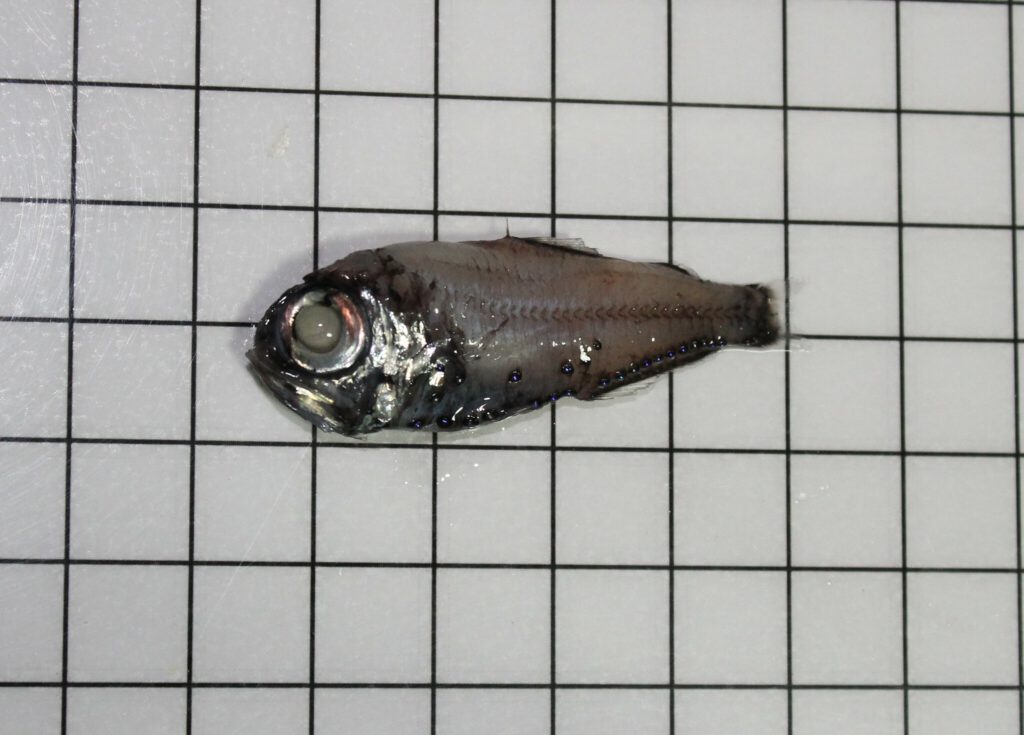
The team used climate models to estimate how environmental conditions in the Gulf could affect the availability of suitable deep-sea habitats by 2050 and 2100. The projections indicate that four of the five species could face substantial habitat losses, potentially reaching 70%. These results are particularly concerning given the belief that the enormous habitats and widespread geographic distributions of deep-sea animals allow them to maintain large, resilient populations.
The discoveries also raise questions about the long-term environmental impact of the 2010 Deepwater Horizon oil spill. Earlier research revealed considerable reductions in deep-sea animal populations in the aftermath of the disaster. While the scientists have not established a direct link between the oil spill and the genetic changes they observed, their results indicate that environmental disruptions could have repercussions extending well beyond their initial impact.
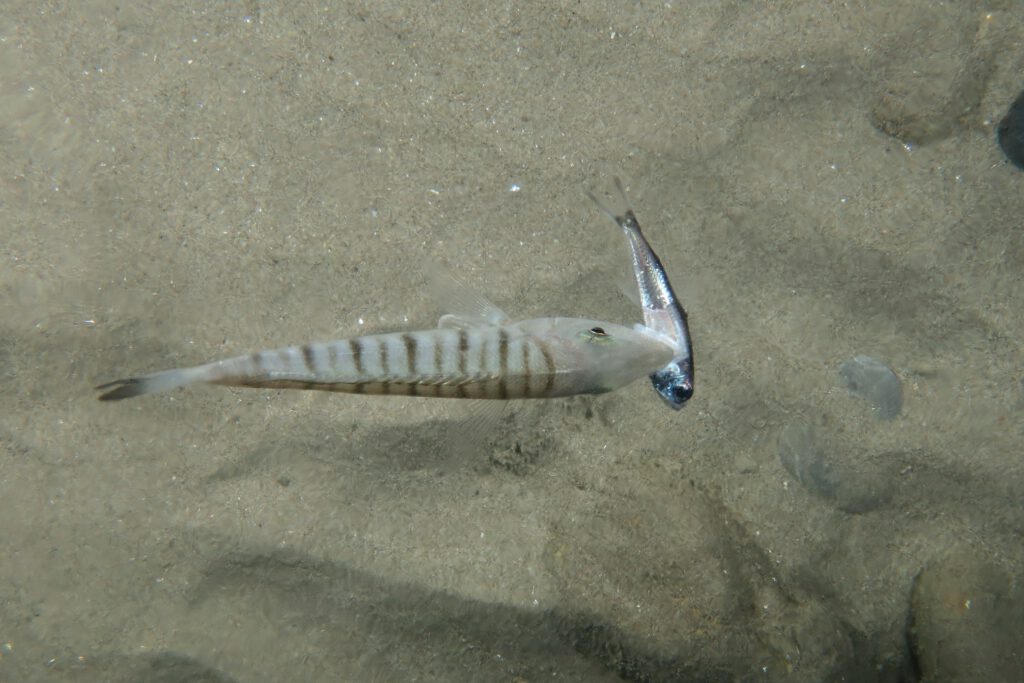
“Our results suggest some deep-sea populations may have already been genetically vulnerable before the Deepwater Horizon oil spill,” Peres said. “This has important implications for understanding the consequences of environmental disturbances. Events such as oil spills may affect populations that already have limited genetic resilience.”
The study highlights the importance of examining the genetic health of marine populations. Monitoring changes in DNA over time could help scientists identify threats to species survival that conventional population surveys fail to detect. The research team includes co-authors Keith Sellers of FIU and Tracey T. Sutton of Nova Southeastern University.
Source: ScienceDaily
